
AI Models•Aug 10, 12:55 PM
Meta Open Sources Muse Spark 1.2 and Muse Glimmer 30B Models
Meta releases two significant open-weight models, Muse Spark 1.2 and Muse Glimmer 30B, aiming to accelerate AI agent development.
Share:
Five shifts. Five minutes. No noise.
No spam. Unsubscribe anytime. Powered by Beehiiv.
Metering LLM usage goes beyond a simple token count, with hidden costs and scattered reporting across providers.
A key sample in AWS's Agent EvalKit uses the same LLM for both evaluating and generating responses, raising questions about test validity.
A developer's 48-hour experiment reveals the limitations of budget AI summarization when faced with incomplete log data.
Meta releases two significant open-weight models, Muse Spark 1.2 and Muse Glimmer 30B, aiming to accelerate AI agent development.
%22%20%2F%3E%0A%20%20%3C%2Fsvg%3E)
Deploying AI agents reliably in production is a stark contrast to controlled demos, with tool/API reliability and context management emerging as key hurdles.
Users grapple with the ethics and functionality of Google's AI-powered search, while developers face API deprecation.
The exponential growth of AI-assisted papers and research output is straining the volunteer-based peer review system, threatening its ability to maintain scientific integrity.
A 30-minute scoring loop replaces subjective first impressions for evaluating new open AI models.
New Model Context Protocol server offers AI agents arbitrary-precision decimal math for financial calculations.

Spatial Pyramid Pooling in SPP-Net allows Convolutional Neural Networks to process images of any size, bypassing fixed-size input limitations.
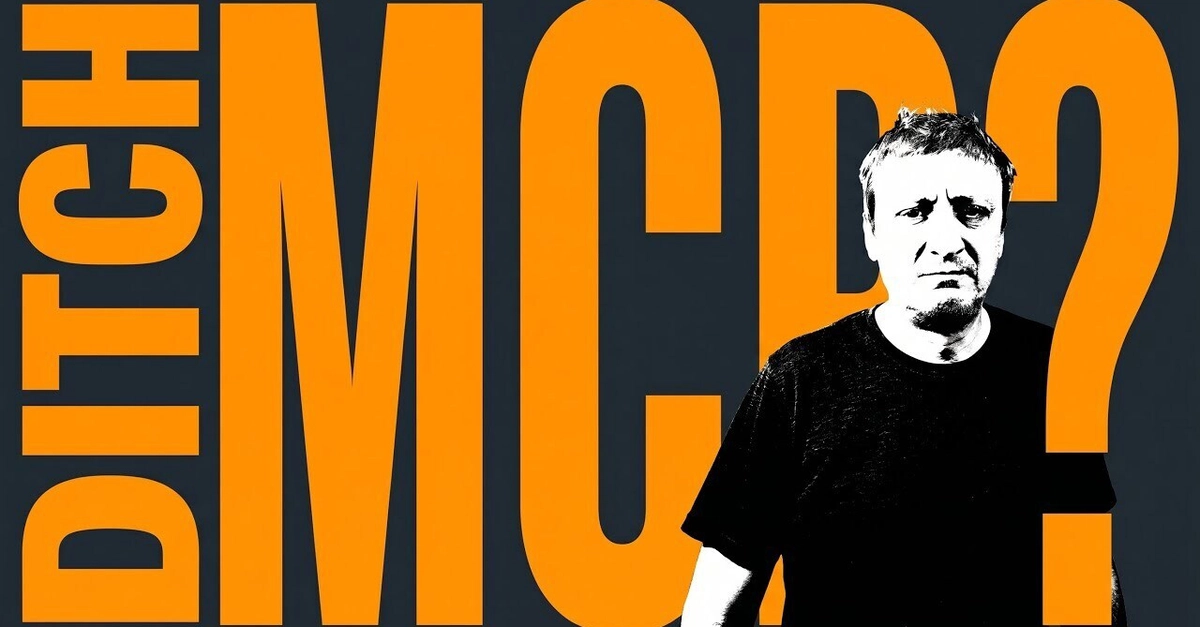
The debate over AI agents in production is settling, but a clear process for granting access remains elusive for many.
Free-tier AI models, deployed as 'canaries,' can silently degrade your application's performance and introduce subtle bugs.

New platform allows users to define a goal and engage in live voice conversations with multiple AI personalities.