
AI Models•Aug 21, 08:55 PM
Ant Group's Ling-3.0 Releases Six Base Checkpoints
Ant Group's Ling-3.0 model offers researchers six base checkpoints across three training stages and two sizes, all under an MIT license.
Share:
Five shifts. Five minutes. No noise.
No spam. Unsubscribe anytime. Powered by Beehiiv.
The next frontier for AI agents isn't more powerful LLMs, but solving the core engineering challenges of memory, trust, and decision-making.
LLMs can now act on systems, turning bad text into bad state changes. Architects must decide who approves actions.

Despite advancements, AI speech-to-text systems often miss conversational nuances, leading to frustrating transcription errors.
Ant Group's Ling-3.0 model offers researchers six base checkpoints across three training stages and two sizes, all under an MIT license.

The AI company expands access to its advanced security analysis tools, offering deeper threat intelligence and faster incident response.
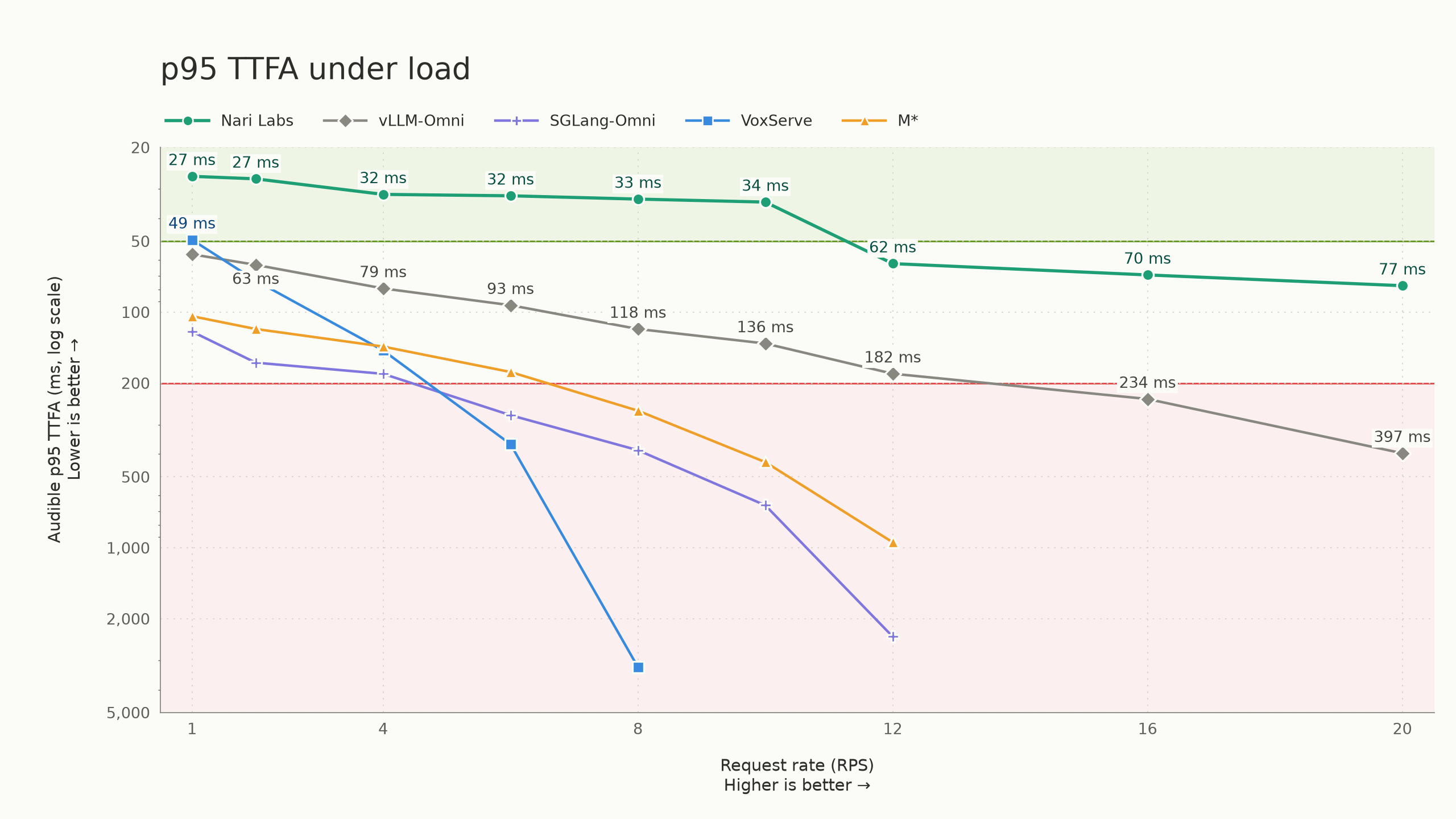
Nari Labs details the engineering feats behind their Qwen3-TTS model, slashing response times for near-instantaneous speech synthesis.

A legal tech startup, previously supported by OpenAI, has shifted its AI foundation to China's Kimi K3 model, signaling a potential trend in AI adoption.
Agent loops hit an expensive Claude caching limit when tool calls exceed 20 content blocks, forcing full prompt rewrites.

Google Gemini's powerful AI capabilities are now accessible in Nigeria without a subscription, offering valuable tools for everyday users.
New techniques allow developers to run OpenAI's Codex model as a headless agent, enabling automated code generation and task execution.
%22%20%2F%3E%0A%20%20%3C%2Fsvg%3E)
New research reveals AI tutors improve short-term homework performance but hinder critical thinking and exam results.
Adding vector databases often masks curation failures, not retrieval problems, leaving LLMs drowning in data.

Microsoft's latest image generation model shows significant gains, climbing the ranks and entering private preview.