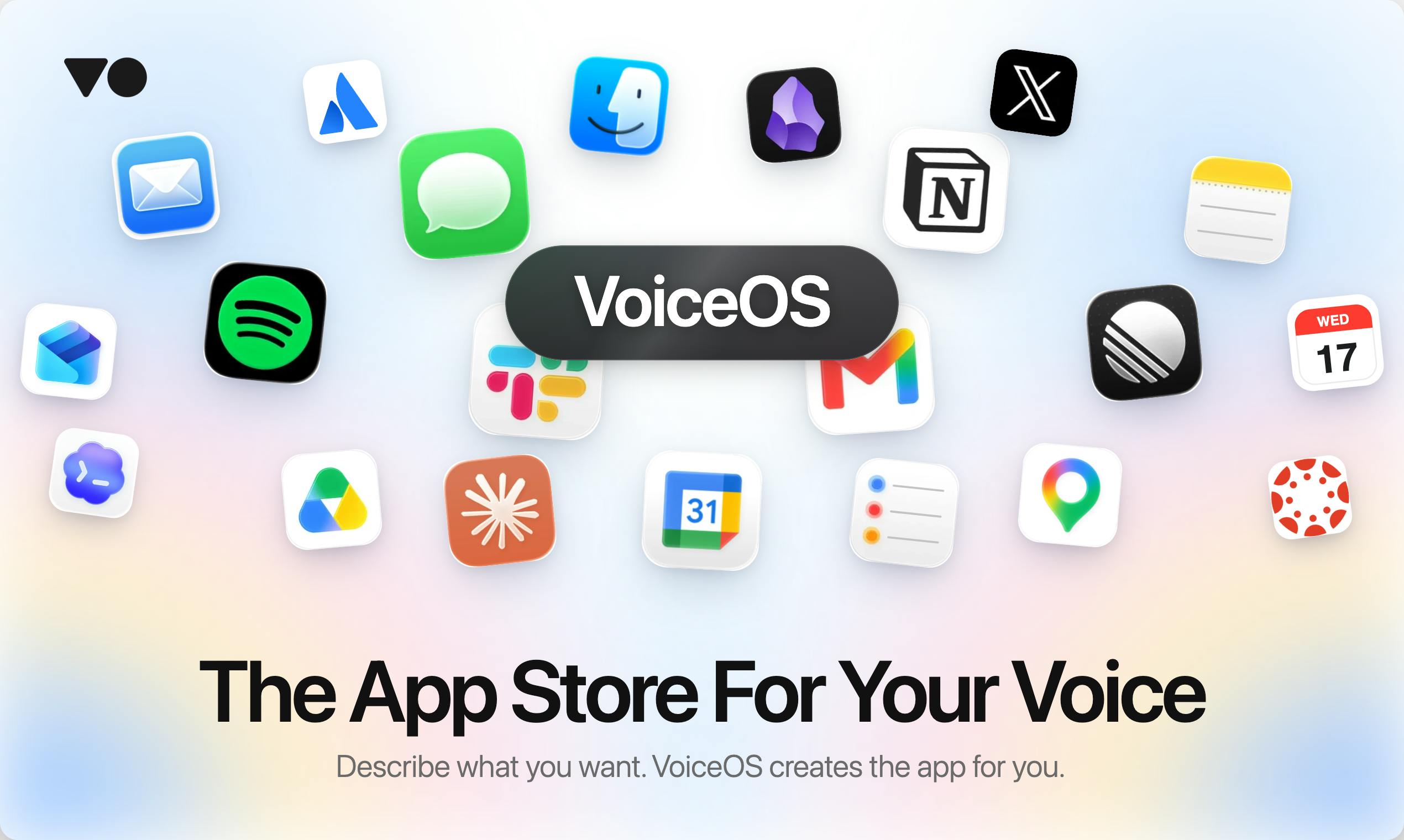
The VoiceOS App Store: A Centralized Hub for Voice Applications
VoiceOS has launched its App Store, a new platform designed to serve as a central marketplace for voice-powered applications. This initiative aims to simplify the discovery, installation, and management of voice-based tools and services, much like app stores have done for mobile and desktop operating systems.
The core problem VoiceOS addresses is the fragmentation and discoverability challenge inherent in the current landscape of voice technology. Users often struggle to find and integrate specialized voice applications that extend the capabilities of their existing voice assistants or platforms. VoiceOS seeks to emulate the success of platforms like Apple's App Store or Google Play by providing a curated and organized environment where developers can showcase their voice applications and users can easily access them.
The App Store is positioned as a crucial step in maturing the voice application ecosystem. By offering a standardized way to distribute and manage these applications, VoiceOS aims to foster greater innovation and adoption of voice technology across various use cases. This could range from productivity tools and smart home integrations to specialized assistants for niche industries.
Key Features and Functionality
While specific details on the breadth of applications and developer tools are still emerging, the concept of the VoiceOS App Store suggests several key functionalities. At its heart, it will likely function as a directory and discovery engine. Users will be able to browse categories, search for specific functionalities, and read reviews or ratings for different voice applications. This moves beyond simple voice commands to a more app-centric model of interaction.
For developers, the App Store represents an opportunity to reach a wider audience. It implies a set of APIs and development guidelines that standardize how voice applications are built and integrated. This standardization is critical for ensuring compatibility, security, and a consistent user experience across different voice platforms that might adopt the VoiceOS framework. The platform could also offer analytics and monetization tools for developers, further incentivizing the creation of high-quality voice applications.
The implications for user experience are significant. Instead of memorizing complex commands or relying on a limited set of pre-installed skills, users could potentially download and manage a suite of specialized voice applications, much like they do with mobile apps. This would allow for a more personalized and powerful voice interaction experience, tailored to individual needs and preferences.

Market Context and Future Outlook
The launch of the VoiceOS App Store arrives at a time when the broader market for voice AI and conversational interfaces is rapidly evolving. Major tech companies have invested heavily in their own voice assistant platforms, but a unified or easily accessible third-party application ecosystem has remained elusive. VoiceOS appears to be carving out a niche by focusing on providing this essential layer of application management and discovery.
The success of this venture will likely depend on several factors. First, the quality and diversity of applications available at launch will be critical for attracting early adopters. Second, the ease of integration for developers and the robustness of the underlying platform will determine its long-term viability. Finally, user adoption will hinge on how well the App Store simplifies the voice application experience compared to existing, often cumbersome, methods of accessing voice functionalities.
If VoiceOS can successfully establish its App Store as the go-to destination for voice applications, it could fundamentally alter how users interact with voice technology. It could pave the way for a more dynamic and feature-rich voice computing future, moving beyond simple commands to intelligent, context-aware applications that truly enhance productivity and convenience. The challenge, as always, will be building a robust developer community and ensuring a seamless, intuitive experience for end-users. What remains to be seen is how this platform will integrate with or differentiate itself from the vast ecosystems already established by giants like Amazon, Google, and Apple in the voice assistant space.