The Rise of Agrivoltaics
American farmers are increasingly integrating solar power generation with their agricultural operations, a practice known as agrivoltaics. Recent data indicates that over 62,000 acres of farmland across the United States have been utilized for solar panel installations. This trend signifies a significant shift in how land is perceived and utilized, moving beyond traditional single-use paradigms to embrace dual-purpose applications that can offer economic diversification and environmental benefits to the agricultural sector.
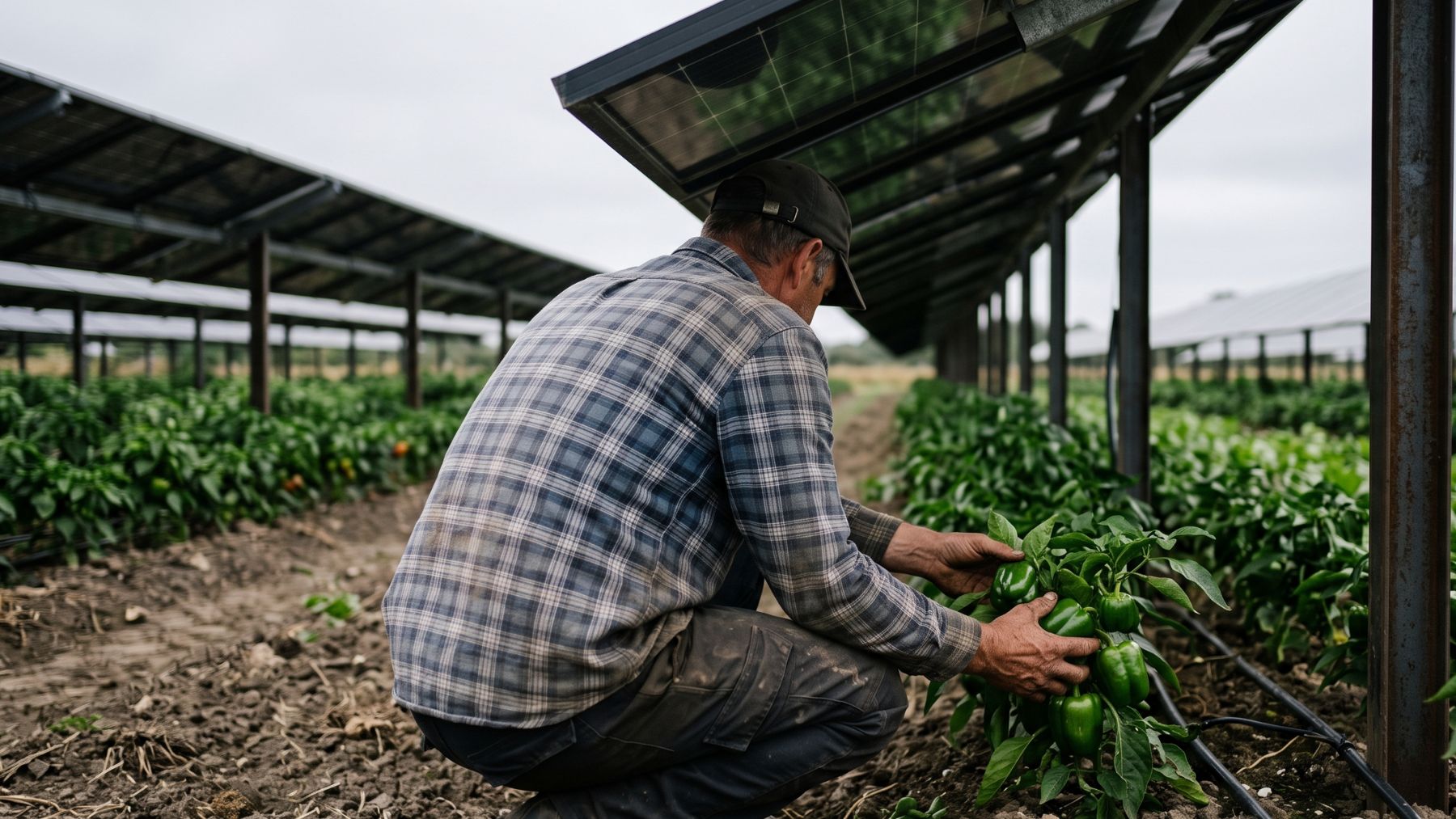
Agrivoltaics, also referred to as solar sharing, involves mounting solar panels on agricultural land. This can take several forms: panels can be raised high enough to allow crops to grow underneath, placed between crop rows, or even integrated into greenhouse structures. The primary driver behind this expansion is the potential for farmers to generate a stable, supplementary income from leasing their land for solar development, while simultaneously continuing to farm. This dual income stream can provide much-needed financial resilience in an industry often subject to volatile commodity prices and unpredictable weather patterns.
The growth in agrivoltaics is fueled by several converging factors. Falling solar panel costs have made renewable energy projects more economically viable. Simultaneously, a growing awareness of climate change and the need for sustainable energy sources has spurred policy support and incentives for solar development. For farmers, the ability to diversify revenue streams is paramount. Many see agrivoltaics not just as a way to earn money from their land, but also as a method to potentially improve crop yields or reduce water usage. Studies have shown that the shade provided by solar panels can reduce soil temperature and evaporation, creating a more favorable microclimate for certain crops, especially in hotter, drier regions.
The 62,000-acre figure represents a substantial commitment to this integrated approach. It suggests that the concept has moved beyond niche experimentation into a more mainstream practice within the agricultural community. While specific crop types and farming methods under these installations vary, the overarching goal is to achieve a symbiotic relationship between energy production and food cultivation. This isn't simply about covering farmland with panels; it's about strategically designing systems where both components can thrive.
Economic and Environmental Synergies
The economic advantages for farmers are multifaceted. Land leases for solar farms typically offer long-term contracts, providing predictable income over 20-30 years. This stability can be a significant boon for farm succession planning and investment in other farm operations. Furthermore, some agrivoltaic systems are designed to be co-located with battery storage, which can provide additional revenue streams through grid services. The sheer scale of 62,000 acres suggests that utility-scale solar projects are increasingly being sited on agricultural land, indicating a mature market for such developments.
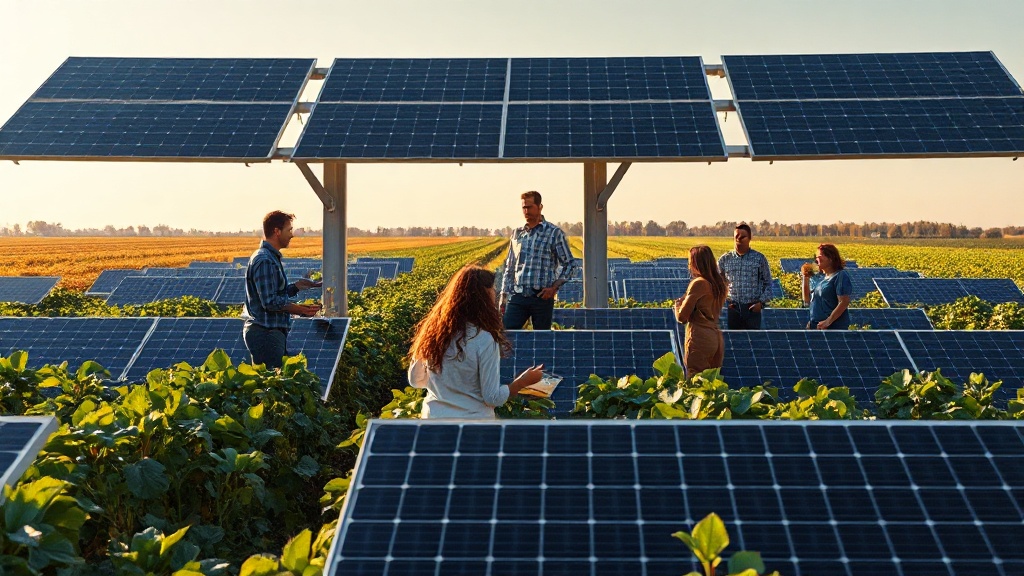
Beyond the direct financial benefits, agrivoltaics can offer environmental advantages. The shade from solar panels can help conserve water by reducing evapotranspiration from the soil. This is particularly beneficial in arid and semi-arid regions where water scarcity is a critical concern. Moreover, by generating clean, renewable energy, these installations contribute to reducing greenhouse gas emissions, aligning with broader climate mitigation goals. The presence of solar panels can also deter land use conversion to less sustainable purposes, effectively preserving agricultural land while also producing energy.
However, the implementation of agrivoltaics is not without its challenges. Careful planning is required to ensure that the solar infrastructure does not unduly interfere with farming operations, such as the use of heavy machinery or access to water sources. The optimal height and spacing of panels, as well as their orientation, must be carefully considered to maximize both energy generation and crop suitability. Different crops will have different light and water requirements, necessitating tailored agrivoltaic designs. For instance, shade-tolerant crops like leafy greens or certain berries might thrive under panels, while sun-loving crops like corn or wheat may require more open spaces or higher panel elevations.
The Future of Farm Land Use
The statistic of 62,000 acres deployed is a clear indicator that agrivoltaics is a growing sector with significant potential. It represents a pragmatic approach to addressing two critical global needs: sustainable energy and food security. As the technology matures and more case studies emerge, we can expect to see even more innovative designs and a broader adoption rate among farmers.
This trend also raises questions about the long-term impact on soil health and biodiversity. While some studies suggest positive effects due to reduced soil disturbance and improved microclimates, comprehensive, long-term research is still needed. What is the optimal balance between energy production and agricultural output for different regions and crop types? How can these dual-use systems be designed to enhance, rather than detract from, the ecological functions of farmland?
The widespread adoption of agrivoltaics suggests a future where agricultural land is not solely dedicated to food production but can serve multiple functions. This could lead to a more resilient and diversified rural economy, less dependent on single-commodity markets and more integrated with the burgeoning clean energy sector. The 62,000 acres currently deployed is likely just the beginning of a significant transformation in how we view and utilize our agricultural landscapes.
For farmers, this represents an opportunity to adapt to changing economic and environmental landscapes, securing their livelihoods while contributing to a more sustainable future. The continued expansion of solar on farmland is not just an energy story; it's an agricultural evolution.