From Gardens to Streets: The Evolution of MyZubster
MyZubster's journey began with a focused vision: to create a comprehensive map for urban gardens. However, the team quickly recognized that a static map fell short of addressing the dynamic needs of such environments. This realization spurred the development of a more robust, integrated system. The core objective expanded to encompass real-time soil health monitoring, automated irrigation and analysis, and crucially, the implementation of private, decentralized payment mechanisms. The ultimate goal was to forge stronger connections between individuals, communities, and institutional bodies involved in urban agriculture and beyond.
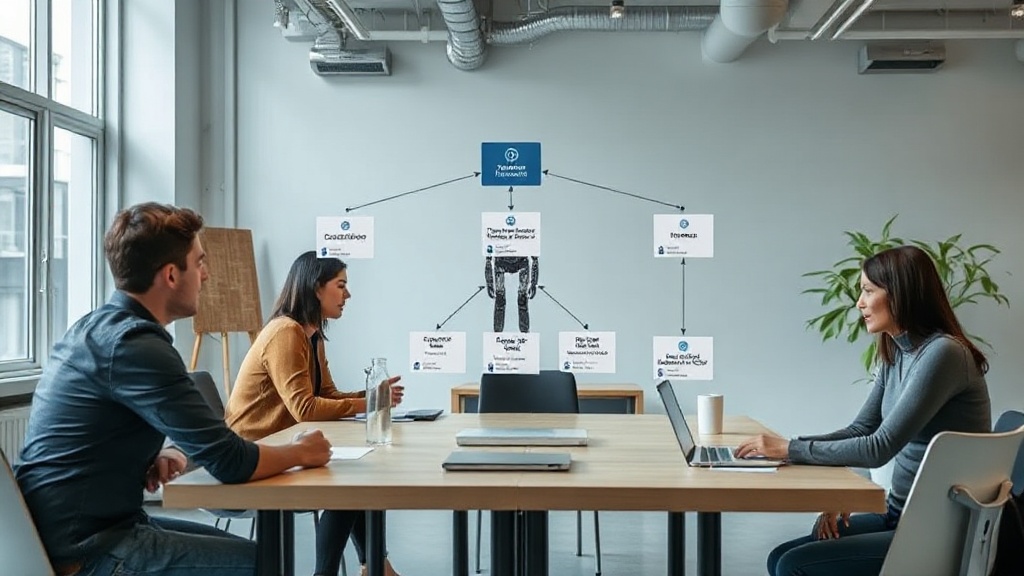
This ambition led to the creation of a fully decentralized ecosystem that leverages both Monero (XMR) for private transactions and MYZ tokens for utility within the network. The system architecture is designed to seamlessly connect Internet of Things (IoT) sensors, autonomous robots, and human communities, fostering a collaborative and efficient environment.
The Core Components of the Ecosystem
The MyZubster ecosystem is built upon several key pillars, each designed to contribute to its overall functionality and decentralization:
The Urban Garden Map
The foundational element is an interactive map built with Leaflet.js and a REST API. This map allows users to register their urban gardens, providing a public, accessible registry. Key features include:
- Geolocation: A
/nearbyendpoint facilitates the discovery of gardens based on proximity. - CRUD Operations: Full Create, Read, Update, and Delete functionalities are supported for garden data, enabling comprehensive management.
- Search Capabilities: Users can search for gardens by name, providing an efficient way to locate specific plots.
Real-time Monitoring and Automation
Beyond simple mapping, the system integrates IoT sensors for continuous environmental monitoring. This allows for real-time tracking of crucial metrics such as soil moisture, nutrient levels, and ambient conditions. This data feeds into an automated analysis engine that can trigger actions, most notably:
- Automated Irrigation: Based on soil moisture readings and predefined parameters, the system can automatically activate irrigation systems, ensuring optimal water usage and plant health.
- Data Analysis: The collected sensor data is processed to provide insights into garden performance, identify potential issues, and optimize cultivation strategies.
Decentralized and Private Payments
A critical innovation within the MyZubster ecosystem is the integration of private, decentralized payment solutions. This is achieved through two primary mechanisms:
- Monero (XMR): For secure, private, and fungible transactions, Monero is employed. This allows for peer-to-peer payments for services, goods, or data within the ecosystem without revealing transaction details to third parties. This is particularly valuable for sensitive data exchanges or service agreements where privacy is paramount.
- MYZ Tokens: Native MYZ tokens are utilized for various in-ecosystem functions. These could include paying for API access, incentivizing data sharing, rewarding community contributions, or participating in governance mechanisms. The specific utility of MYZ tokens is designed to drive engagement and create a self-sustaining economy within the MyZubster network.
The integration of Monero ensures a layer of privacy often missing in traditional payment systems, while MYZ tokens create a dedicated economic layer for the ecosystem's operations.
Connecting Communities and Institutions
The platform is designed to foster collaboration and knowledge sharing. It provides infrastructure for:
- Community Forums: Spaces for users to discuss gardening techniques, share tips, and organize local initiatives.
- Data Sharing: Mechanisms for users to optionally share anonymized or aggregated data for research or community benefit, potentially earning MYZ tokens in return.
- Institutional Integration: The system's open API and decentralized nature allow for integration with research institutions, city planning departments, or agricultural organizations, enabling broader impact and data-driven policy making.
The Technological Underpinnings
The development of this ecosystem relies on a stack of modern technologies, prioritizing decentralization, privacy, and extensibility. The use of technologies like Leaflet.js for mapping, robust REST APIs for data exchange, and blockchain for payment and tokenization demonstrates a commitment to building a resilient and future-proof infrastructure. The choice of Monero, with its strong emphasis on privacy by design, signals a deliberate effort to protect user data and transaction integrity.
The MYZ token, likely deployed on a compatible blockchain, serves as the internal currency, facilitating micro-transactions, rewarding participants, and potentially enabling decentralized autonomous organization (DAO) governance structures in the future. This dual approach to currency—private external currency (XMR) and utility-focused internal token (MYZ)—provides flexibility and addresses different needs within the ecosystem.
Broader Implications and Future Potential
What started as a niche project for urban gardens has the potential to scale into a much larger decentralized network. The principles of connecting IoT devices, enabling private payments, and fostering community engagement are transferable to numerous other domains. Imagine decentralized networks for environmental monitoring in smart cities, managing shared robotic fleets for delivery or maintenance, or even facilitating peer-to-peer energy trading. The MyZubster model demonstrates how blockchain and IoT can converge to create more resilient, efficient, and community-driven systems.
The surprising detail here is not just the technical integration but the philosophical underpinning. By choosing Monero, MyZubster signals a deep commitment to user privacy and financial sovereignty, moving beyond mere transactional efficiency to build trust within its burgeoning ecosystem. This approach could set a precedent for how decentralized networks are built, prioritizing user control and data protection from the ground up.
The next phase will likely involve expanding the types of robots and IoT devices integrated, refining the MYZ token utility, and onboarding more communities and institutions. As the ecosystem grows, the challenge will be to maintain its decentralized ethos and robust security while scaling to meet increasing demand.