
Digital Travel Authorisation System to Integrate ML for Fraud Detection
South Africa is set to launch its Electronic Travel Authorisation (ETA) system, a digital visa platform designed to streamline the entry process for international visitors. President Cyril Ramaphosa will inaugurate the system at OR Tambo International Airport this Wednesday. A key component of the ETA is its integration with machine learning algorithms aimed at proactively screening travelers for potential fraud.
The introduction of the ETA system marks a significant technological advancement in how South Africa manages its borders. Traditionally, visa applications and border checks have involved extensive manual processes, leading to potential delays and human error. The digital ETA promises to automate much of this, allowing for a quicker and more efficient assessment of traveler legitimacy. However, the true innovation lies beneath the surface, with the planned incorporation of machine learning to enhance security and prevent fraudulent entries.
Machine learning models can analyze vast datasets of traveler information, looking for patterns and anomalies that might indicate a risk of fraud. This could include inconsistencies in application data, past travel history, or even behavioral patterns identified through various data points. By processing this information at scale and speed far beyond human capability, the ML system aims to flag suspicious individuals for further scrutiny before they reach immigration officials. This proactive approach is intended to bolster national security and protect against activities such as illegal immigration, human trafficking, and other forms of border-related crime.
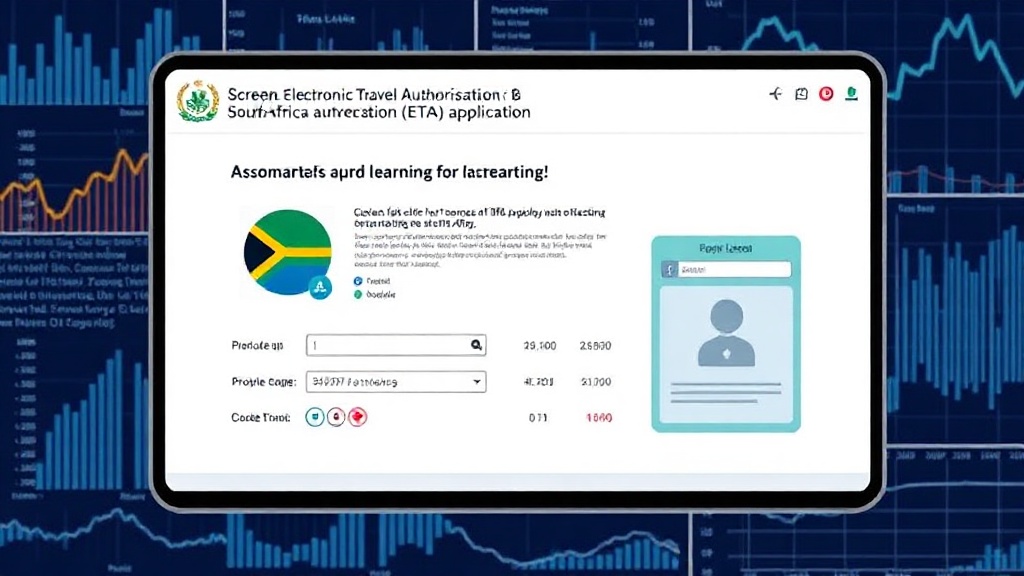
How Machine Learning Will Enhance Border Security
The effectiveness of the ETA system hinges on its ability to accurately identify potential risks without unduly inconveniencing legitimate travelers. Machine learning excels at this by learning from historical data. The algorithms will be trained on datasets that include both legitimate travel authorizations and known instances of fraudulent attempts. Over time, as more data is processed and the system learns from new cases, its predictive accuracy is expected to improve.
Consider the ML system less like a rigid set of rules and more like an experienced border agent who has seen millions of travelers. This agent doesn't just look for one specific red flag; they identify subtle deviations from the norm, combinations of factors that, while individually benign, raise a collective concern. The ML model can identify these complex, multi-dimensional patterns. For instance, it might flag a traveler whose application details appear superficially correct but whose travel patterns, inferred from past digital footprints (with appropriate privacy safeguards), suggest a history of visa violations or irregular entry attempts in other countries.
The specific types of fraud the system aims to detect are varied. These could range from individuals attempting to enter the country under false pretenses, such as using fake identities or forged documents, to those with intentions to commit crimes within South Africa. The system could also assist in identifying individuals who may pose a security risk, although the primary stated focus is fraud detection related to entry requirements.
The technical implementation will likely involve a sophisticated data pipeline. Traveler data submitted through the ETA portal will be fed into the ML models. These models, potentially a combination of classification and anomaly detection algorithms, will then assign a risk score to each applicant. Applicants falling below a certain risk threshold may receive automated approval, while those above it could be flagged for manual review by immigration officers. This tiered approach ensures that resources are concentrated on cases that genuinely require human intervention, thereby optimizing the efficiency of border control operations.
Broader Implications and Future Outlook
The deployment of machine learning in border control is a growing global trend. Many countries are exploring or already implementing similar technologies to manage increasing international travel volumes and evolving security threats. South Africa's move positions it alongside other nations adopting advanced technological solutions to enhance border security and immigration management.
However, the use of ML in such sensitive applications also raises important questions. Chief among these are concerns about data privacy and algorithmic bias. It is crucial that the data used to train these models is representative and that the algorithms themselves are rigorously tested to ensure they do not unfairly target individuals based on their origin, ethnicity, or other protected characteristics. The South African government will need to establish robust oversight mechanisms and transparency protocols to address these potential issues.
What remains to be seen is the precise nature of the algorithms employed and the specific data sources they will leverage. The success of the ETA system will depend on the quality and comprehensiveness of the data, the accuracy of the ML models, and the human oversight in place. If implemented effectively, the ETA, powered by machine learning, could significantly improve South Africa's border management capabilities, making travel more secure and efficient for all.
The launch at OR Tambo International Airport signifies the initial rollout. It is probable that the system will be expanded to other major ports of entry across the country in subsequent phases. The long-term vision is likely a fully integrated digital border management system that enhances security, facilitates legitimate trade and tourism, and supports national economic interests.