
The Open-Source Contender for Modern Project Management
In the competitive landscape of project management tools, 2026 sees a clear frontrunner emerge from the open-source community: Plane. Positioned as a direct competitor to giants like Jira and the rapidly ascending Linear, Plane offers a compelling blend of features, flexibility, and cost-effectiveness that makes it the top choice for most small to mid-sized teams. While Jira remains entrenched for those deeply invested in the Atlassian ecosystem, and Linear appeals to product engineering teams prioritizing velocity, Plane carves out a significant niche by delivering core Jira functionality within a sleek, modern interface reminiscent of Linear, all while championing data ownership and affordability.
Plane's open-source nature (AGPL-3.0 license) is a significant draw. Its Community Edition can be self-hosted, providing unlimited users at no cost. This is a stark contrast to the per-user pricing models of many commercial alternatives. For teams not ready or able to self-host, Plane also offers a Cloud Free plan that accommodates up to 12 users. Paid tiers, Pro at $6 per seat per month and Business at $13 per seat per month, offer additional features and support for larger or more demanding organizations.
The project has garnered substantial traction, evidenced by its impressive 58,544 stars on GitHub at last check. This level of community engagement and adoption signals a robust, actively developed project that is rapidly maturing into a viable enterprise-grade solution. The core features that make Plane so attractive include comprehensive work item tracking, efficient sprint management, intuitive roadmap visualization, and effective triage capabilities. These are the essential pillars that teams rely on for day-to-day project execution and long-term planning.
Why Plane Outperforms for Most Teams
The decision between Jira, Linear, and Plane often hinges on specific team needs and philosophies. Jira, with its extensive history and deep integration into the Atlassian suite (Confluence, Bitbucket, etc.), is the default for many large enterprises. Its power lies in its customizability and its ability to handle highly complex workflows. However, this complexity often comes with a steep learning curve and a less intuitive user experience, especially for newer teams or those outside the core development or IT operations functions.
Linear, on the other hand, has captured the imagination of product and engineering teams with its speed, minimalist design, and focus on developer velocity. It excels at streamlining the software development lifecycle, offering a fluid and responsive interface. However, Linear's proprietary nature and its focus on rapid iteration mean less emphasis on data portability and self-hosting, which can be critical for organizations with strict data governance policies or a desire for complete control over their infrastructure.
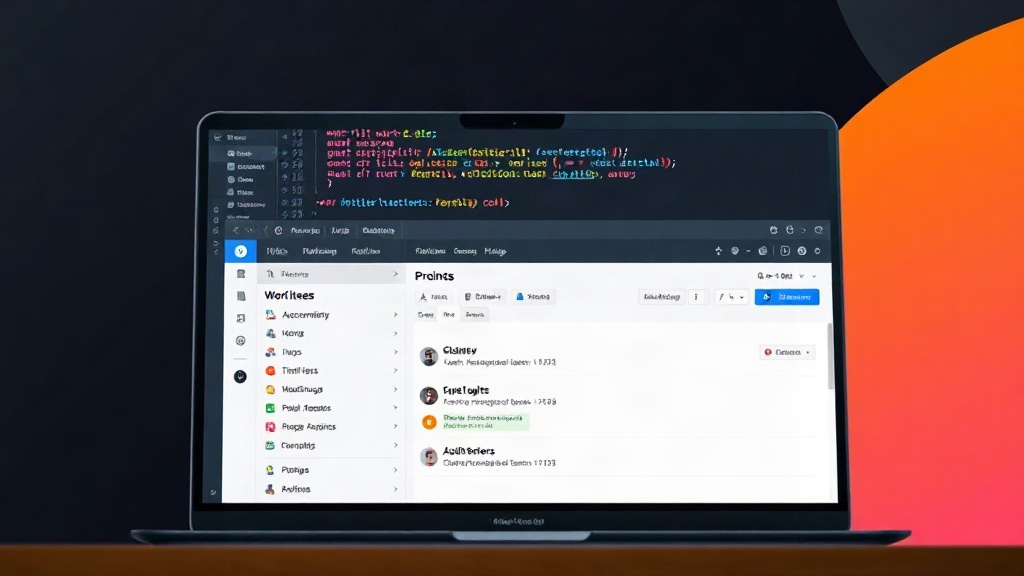
Plane strikes a balance that appeals to a broader audience. Its modern, Linear-style interface makes it immediately accessible and enjoyable to use, reducing onboarding time and increasing team adoption. The ability to self-host the Community Edition for free is a game-changer for startups and SMBs looking to control costs without sacrificing essential project management features. This allows teams to manage their data locally, enhancing security and compliance. The feature set covers the essential functionalities that most teams require: defining tasks, planning sprints, visualizing project progress on roadmaps, and managing incoming work through triage boards.
The Open-Source Advantage: Flexibility and Control
The open-source model of Plane provides a level of transparency and flexibility that proprietary solutions cannot match. Developers can inspect the code, contribute to its development, and even modify it to fit specific needs, though the AGPL-3.0 license has implications for derivative works. This community-driven development often leads to faster innovation and a more responsive approach to bug fixes and feature requests compared to the roadmap dictated by a single company's priorities.
For teams concerned about vendor lock-in, Plane offers peace of mind. The self-hosted option means that your project data is not tied to a specific cloud provider or subscription service. If the company behind Plane were to change its business model or pricing significantly, self-hosted instances would remain unaffected. This is a crucial consideration for long-term strategic planning and operational stability.
While Plane offers a robust free tier for cloud users and a completely free self-hosted option, its paid tiers provide enterprise-grade features and support. The Pro tier at $6/seat/month offers advanced features, while the Business tier at $13/seat/month includes premium support and enhanced security options. This tiered pricing structure allows teams to scale their usage and feature set as their needs grow, ensuring that Plane can remain a central part of their workflow from startup to scale-up.
Who Should Pick Plane?
Plane is the default recommendation for most small to mid-sized teams seeking a powerful, modern, and cost-effective project management solution. Its open-source nature, combined with a user-friendly interface and comprehensive feature set, makes it an ideal alternative to the often complex and expensive Jira. If your team values data ownership, has budget constraints, or simply prefers open-source software, Plane should be at the top of your evaluation list.
Jira is still the go-to for organizations deeply embedded within the Atlassian ecosystem, where integration with tools like Confluence and Bitbucket is paramount. For these teams, the cost and effort of migrating away often outweigh the benefits of a newer platform. Linear remains the choice for product engineering teams that prioritize an exceptionally fast and streamlined development workflow and are less concerned with data ownership or self-hosting options.
Ultimately, Plane's strength lies in its ability to provide a high-quality, feature-rich project management experience that is accessible to a wide range of organizations. Its rapid development and strong community backing position it as a serious contender that will continue to challenge the established players in the years to come.