OCaml for Kubernetes Operators: A New Contender Emerges
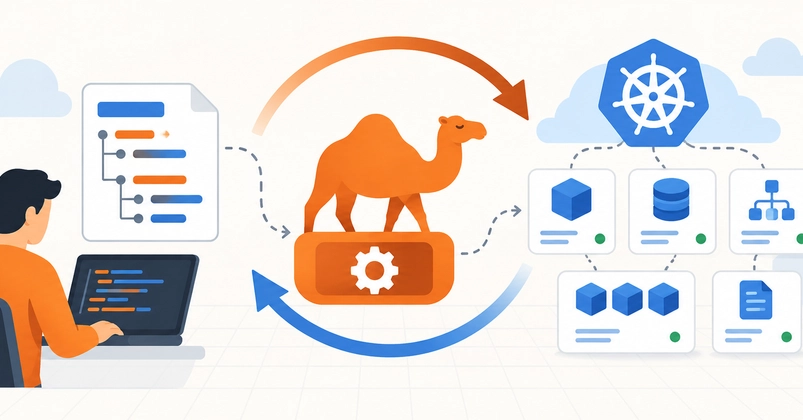
The landscape of Kubernetes operator development, typically dominated by Go, has a new entrant: OCaml. The ocaml-kube library, published on opam, provides a robust client and controller toolkit for building custom Kubernetes controllers in OCaml. This development aims to bring the benefits of a strongly-typed, functional programming language to the complex world of cloud-native automation.
The project, spearheaded by Theophile Ch Viale, follows the established workflow popularized by Kubebuilder. This familiar approach allows developers to scaffold new operator projects, define custom resources (CRDs), generate necessary boilerplate, implement reconciliation logic, and deploy them against a Kubernetes cluster. The goal is to demystify operator development for those already in the OCaml ecosystem or to provide a compelling alternative for new projects.
Core Components and Workflow
ocaml-kube is built around two primary components: a Kubernetes client and a controller runtime. The client library provides type-safe bindings to the Kubernetes API, allowing OCaml programs to interact with the cluster's resources. This includes features like listing, getting, creating, updating, and deleting Kubernetes objects. The controller runtime simplifies the implementation of the control loop, which is the heart of any Kubernetes operator. It handles event watching, queuing, and dispatching reconciliation requests to user-defined logic.
The development process mirrors the Kubebuilder pattern:
- Scaffolding: A project generator sets up the basic directory structure, build files, and configuration for a new operator.
- API Definition: Developers define their custom resource's schema using OCaml types. These types are then used to generate the Custom Resource Definition (CRD) YAML that gets applied to the Kubernetes cluster.
- Reconciliation Logic: The core of the operator is the reconciliation function. This function is invoked whenever a custom resource is created, updated, or deleted, or when relevant cluster resources change. The function's job is to ensure the actual state of the cluster matches the desired state defined in the custom resource.
- Deployment: The compiled OCaml operator binary can be containerized and deployed as a standard Kubernetes Deployment or StatefulSet.
Example Operators Illustrate Functionality
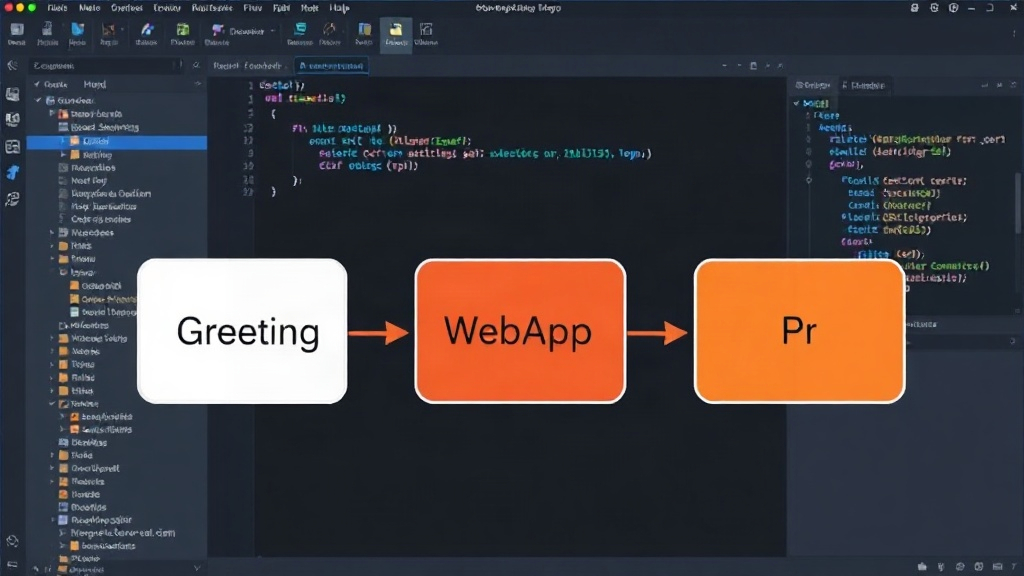
To demonstrate the library's capabilities, three example operators are provided:
- Greeting Operator: This simple operator manages a Kubernetes ConfigMap. When a
Greetingcustom resource is created, it ensures a ConfigMap with a specific key and value exists. This serves as a basic introduction to resource management. - WebApp Operator: This more complex example manages a Deployment and a Service. It allows users to define a web application by specifying a container image and desired replica count. The operator then creates and manages the corresponding Kubernetes Deployment and Service objects, ensuring the application is running and accessible.
- Pr Operator (Cluster-Scoped): This operator demonstrates handling cluster-scoped resources. It manages a custom resource that defines a prerequisite for other resources. This highlights the ability to manage resources that are not namespaced, requiring a different approach to watching and reconciliation.
These examples showcase the library's flexibility, from managing simple configuration to deploying and maintaining complex applications. They also highlight how OCaml's strong type system can lead to more robust and maintainable operator code, catching potential errors at compile time rather than runtime.
Why OCaml for Operators?
While Go has become the de facto standard for Kubernetes development due to its performance, concurrency primitives, and extensive ecosystem, OCaml offers distinct advantages. Its strong static typing helps prevent common programming errors that can plague complex systems. The functional programming paradigm encourages immutability and pure functions, which can simplify reasoning about concurrent operations and state management – critical aspects of operator development.
The ocaml-kube project aims to make these benefits accessible. By providing a well-structured library and following familiar development patterns, it lowers the barrier to entry for OCaml developers looking to automate their infrastructure. The library's design emphasizes type safety, ensuring that interactions with the Kubernetes API are checked at compile time. This can lead to fewer runtime errors and a more reliable operator compared to dynamically typed languages.
The surprising detail here is not the introduction of another operator SDK, but the choice of OCaml. While languages like Python and Java have seen some adoption in the Kubernetes ecosystem, OCaml is a less common choice. Its adoption in this space suggests a growing interest in leveraging functional programming for complex systems orchestration, potentially offering a more principled approach to building resilient and maintainable cloud-native tooling.
The Path Forward
The ocaml-kube project is still relatively new, but the provided examples and the adherence to established workflows suggest a promising future. As the library matures, it could offer a compelling alternative for organizations already invested in OCaml or those seeking the benefits of functional programming for their Kubernetes automation needs. The project's success will depend on community adoption, further development of advanced features, and continued contributions.
What nobody has addressed yet is the long-term maintenance burden and the availability of skilled OCaml developers who are also deeply familiar with Kubernetes internals. While the tooling is present, building and maintaining complex operators requires significant expertise in both domains.