
The Challenge of Cross-Domain Analytics
Most organizations don't operate a single website. A typical customer journey might begin on a marketing site, move to documentation, then to an academy, and finally to a checkout page. These properties—company.com, docs.company.com, company-academy.com, company-checkout.com—may all belong to the same organization. However, standard browser and analytics systems often treat each domain as a separate visitor and session. This fragmentation makes it difficult to understand the complete customer journey and its impact on conversion.
While major analytics platforms offer cross-domain measurement, these solutions typically come with significant trade-offs. They often tie implementation to a specific vendor, requiring migration if the platform changes. Alternatively, they might transfer existing measurement identifiers through the destination URL, which can be brittle and break with URL changes or redirects. Another common method relies on users authenticating, which is not feasible for anonymous browsing experiences. These methods can also inadvertently expose user data or rely on techniques like browser fingerprinting, which are increasingly viewed as privacy-invasive.
Nylo's Privacy-First Approach
Nylo was built to address these limitations by exploring a different path. The core objective is to preserve pseudonymous continuity across domains that an organization controls, without resorting to browser fingerprinting, third-party cookies, or requiring visitors to log in. This approach prioritizes user privacy while still enabling organizations to gain valuable insights into user behavior across their owned properties.
Nylo is not designed to identify a specific individual. Instead, it focuses on understanding the behavior of a pseudonymous visitor as they navigate different parts of an organization's digital footprint. This distinction is crucial for maintaining a privacy-centric stance. By avoiding techniques that can re-identify users or build detailed profiles without explicit consent, Nylo aims to provide analytics that are both useful and ethical.
The system works by establishing a unique, pseudonymous identifier that is shared across the organization's domains. This identifier is not tied to personally identifiable information (PII) and is generated in a way that is resistant to cross-site tracking by external entities. When a user moves from one domain to another within the same organization, Nylo can recognize this transition and maintain the continuity of their session and journey, attributing subsequent actions to the same pseudonymous visitor.
Technical Underpinnings and Differentiators
The implementation of Nylo focuses on several key technical differentiators that set it apart from traditional cross-domain tracking methods. Firstly, it avoids the use of third-party cookies entirely. These cookies are becoming increasingly restricted by browsers due to privacy concerns, making them an unreliable foundation for analytics. Nylo uses first-party data and context-aware mechanisms to maintain session continuity.
Secondly, Nylo explicitly rejects browser fingerprinting. This technique involves collecting a wide range of browser and device attributes to create a unique identifier, often without user knowledge or consent. Such methods are highly invasive and are facing increased regulatory scrutiny. Nylo's design ensures that it does not collect or process this type of data.
Thirdly, the requirement for users to log in is bypassed. While authentication provides a clear identity, it limits analytics to only logged-in users and excludes the vast majority of anonymous browsing traffic. Nylo's goal is to provide insights into the entire user journey, from initial anonymous discovery to potential conversion, regardless of login status.
The mechanism for achieving this pseudonymous continuity likely involves a combination of secure, first-party cookie-based identifiers and potentially sophisticated server-side correlation techniques that respect domain boundaries and privacy. The emphasis is on creating a measurement identifier that is scoped to the organization's domains and does not leak across the broader internet or enable re-identification of individuals.
Use Cases and Benefits
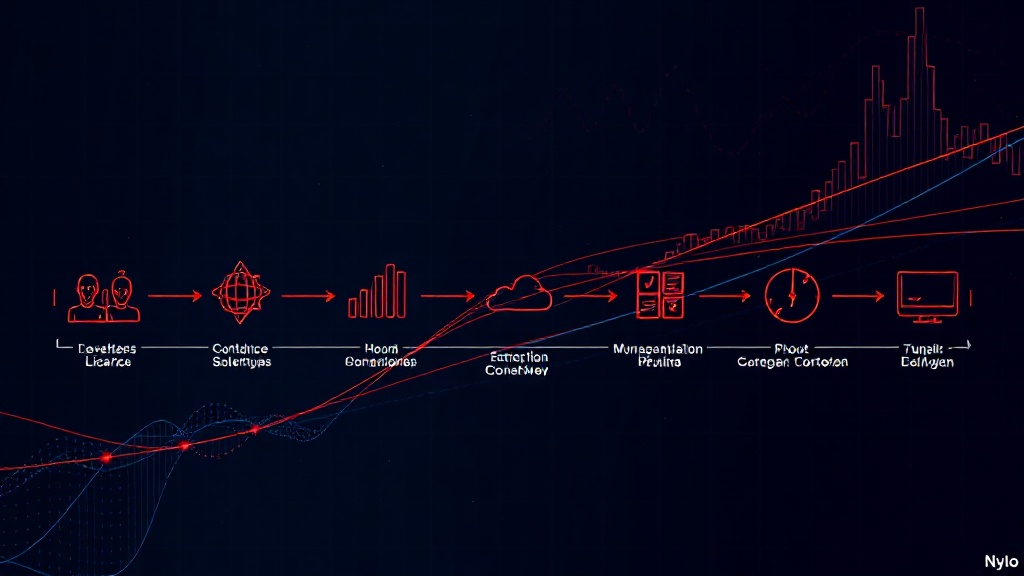
For organizations managing multiple digital properties, Nylo offers a unified view of the customer. This enables a more accurate understanding of how different touchpoints contribute to conversion. For instance, a marketer can see how a user's interaction with documentation (docs.company.com) influences their subsequent purchase on the e-commerce site (company-checkout.com).
This granular understanding of user flow across domains allows for more effective optimization of content and user experience. Teams can identify drop-off points in multi-domain journeys, understand which content drives engagement on documentation sites, and measure the impact of educational resources on sales. This leads to better resource allocation and more targeted marketing efforts.
The privacy-first nature of Nylo also means organizations can comply with evolving privacy regulations like GDPR and CCPA more easily. By avoiding invasive tracking methods, businesses can build trust with their users while still gathering essential analytics. This aligns with the growing consumer demand for privacy and transparency in digital interactions.
Ultimately, Nylo empowers businesses to gain deeper, more actionable insights into their users' behavior across their entire digital ecosystem, all while upholding strong privacy standards. It represents a shift towards more responsible and user-centric analytics in a privacy-conscious world.