RTX 50-Series Availability Normalizes at QuakeCon 2026
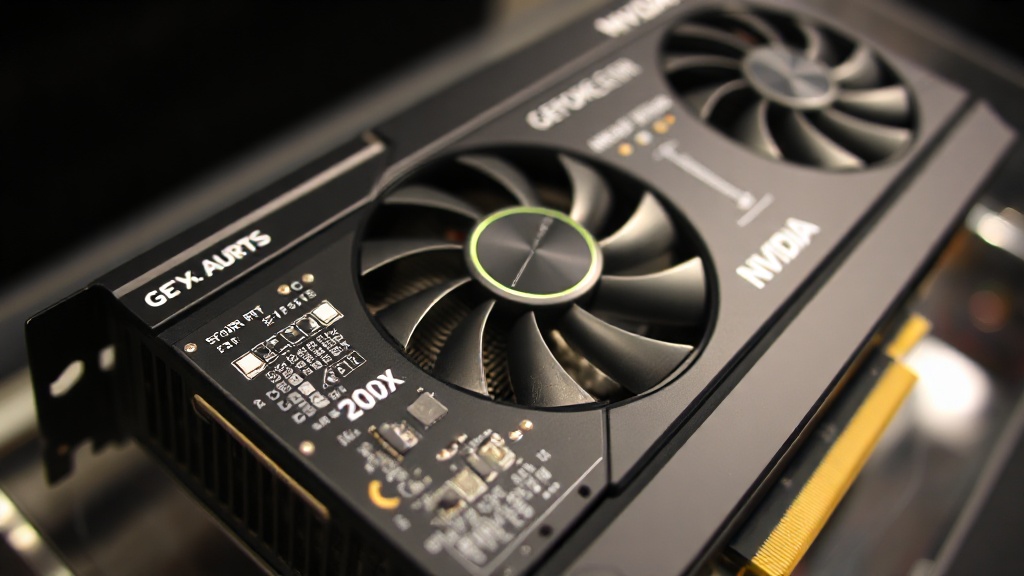
Nvidia is making a notable appearance at QuakeCon 2026, not just with game demos, but with a surprising retail offering: Founders Edition GeForce RTX 5090, 5080, and 5070 GPUs are being sold directly at their original MSRP. This move, occurring more than a year after the initial launch of the 50-series lineup, signals a significant shift in the graphics card market. For a product category that experienced unprecedented demand and soaring prices post-launch, seeing these cards available at their intended retail price point is a stark contrast to the market dynamics of previous years. The limited supplies available at the event mean that attendees looking to secure one of these high-performance GPUs will need to act quickly.
The scarcity that defined the RTX 30-series and even the early days of the RTX 40-series has seemingly subsided for the current generation. While initial launch allocations were notoriously difficult to obtain at MSRP, the situation has evidently stabilized to a point where Nvidia can allocate inventory for direct sales at a major gaming convention. This isn't just a simple restock; it's a strategic decision to engage directly with a core enthusiast audience at an event synonymous with PC gaming. The fact that these cards are still considered an "attraction" at MSRP speaks volumes about the lingering perception of value and performance associated with Nvidia's top-tier offerings, even as newer generations loom on the horizon.
Market Dynamics and Supply Chain Maturation
The availability of RTX 50-series GPUs at MSRP at QuakeCon 2026 is a tangible indicator of broader supply chain normalization. The global disruptions that plagued the semiconductor industry for several years, driven by pandemic-related manufacturing shutdowns, logistics bottlenecks, and a surge in demand for consumer electronics, appear to be largely resolved. For GPU manufacturers like Nvidia, this means a more predictable and stable production environment. The ability to fulfill demand at MSRP suggests that the cost of production, coupled with logistical efficiency, has reached a point where these cards can be offered without the premiums that characterized their early availability.
This situation directly contrasts with the GPU market of 2020-2023, where scalpers and opportunistic resellers routinely marked up cards by 50-100% or more above MSRP. The RTX 5090, for instance, often commanded prices well over $2,000 USD, making it an aspirational purchase for only the most dedicated and deep-pocketed enthusiasts. The current offering at QuakeCon implies that either Nvidia has significantly ramped up production to meet demand, or demand has naturally plateaued as the product cycle matures and anticipation for the next generation builds. It could also be a strategic move to clear out existing inventory ahead of the anticipated RTX 60-series launch, ensuring a smoother transition for future product cycles.
Consumer Purchasing Power and the GPU Landscape
The normalization of GPU prices at MSRP, especially for high-end models, has significant implications for consumer purchasing power. For gamers and creators who postponed upgrades due to exorbitant prices, this presents a long-awaited opportunity. The ability to purchase a flagship GPU like the RTX 5090 at its intended price point makes high-fidelity gaming and demanding creative workloads more accessible than they have been in years. This shift rebalances the market, moving away from a situation where only early adopters and the affluent could afford cutting-edge hardware, towards a more sustainable model where performance is aligned with its declared value.
Furthermore, the presence of these cards at a major gaming event like QuakeCon suggests a targeted marketing effort. Nvidia is likely leveraging the event's attendee base – a demographic highly invested in PC gaming performance – to drive sales and reinforce brand loyalty. By offering these desirable GPUs at MSRP, Nvidia not only satisfies existing demand but also cultivates goodwill among its most passionate community members. This contrasts with past strategies that might have focused solely on securing distribution through traditional retail channels, often failing to prevent inflated street prices.
The Unanswered Question: What About Future Generational Leaps?
While the availability of RTX 50-series cards at MSRP is a welcome development for consumers, it raises an interesting question about the future trajectory of GPU pricing and availability. If Nvidia can comfortably offer its current-generation flagship GPUs at launch prices over a year after release, what does this portend for the next generation, the rumored RTX 60-series? Will we see a return to the hyper-inflated pricing and scarcity that characterized the previous few years, or has the market truly entered a new era of stability? The success of this strategy at QuakeCon might encourage Nvidia to adopt similar direct-to-consumer or event-based sales models for future launches, potentially bypassing some of the traditional retail markups and distribution complexities.
The long-term impact on the enthusiast market remains to be seen. Will this sustained availability at MSRP foster a more stable upgrade cycle, or will the anticipation for even greater performance gains in the next generation lead to another cycle of demand outpacing supply? The decision to sell these cards at QuakeCon is more than just a sales tactic; it's a data point reflecting the current state of the semiconductor market and consumer expectations. As the industry moves forward, the lessons learned from this period of unprecedented scarcity and subsequent normalization will undoubtedly shape future product launches and market strategies.