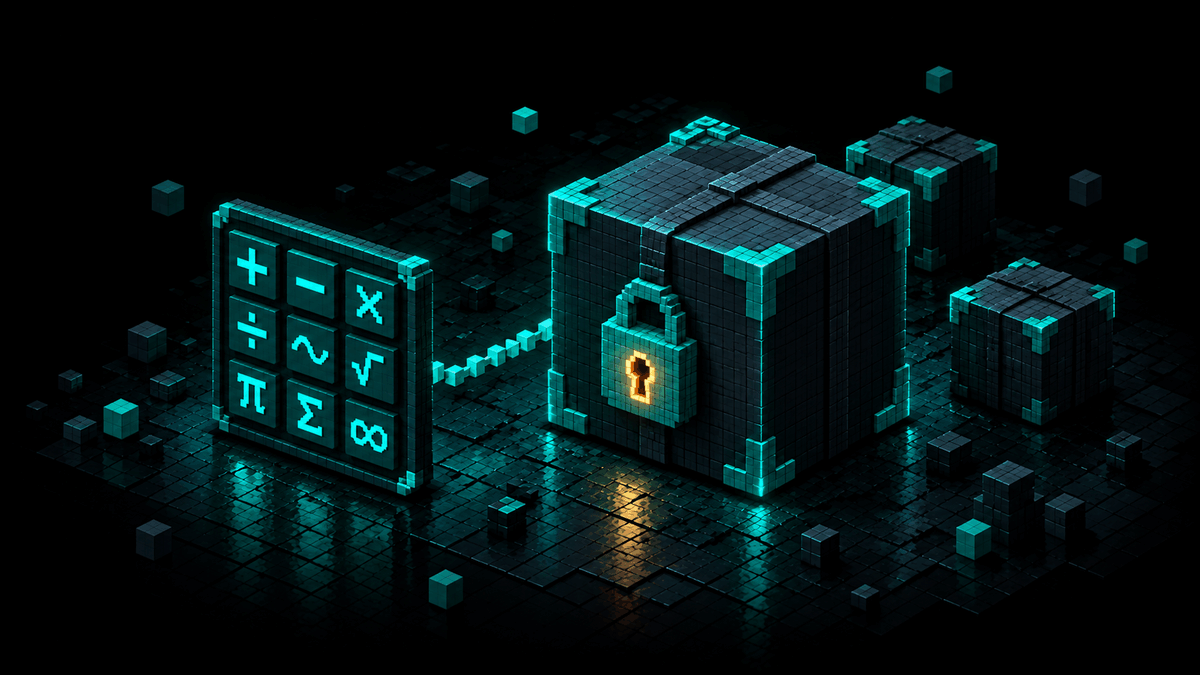
The Mystery of the Encrypted Loader
A seemingly innocuous NPM package, mathmain, designed for mathematical operations in JavaScript, has introduced a contentious feature: an encrypted loader. This move, detailed on Hacker News, has sent ripples through the developer community, primarily due to its implications for supply chain security and transparency. Normally, a math library would be a straightforward piece of code, performing calculations without any hidden mechanisms. The decision to encrypt its loading process, however, suggests a departure from standard practices and raises immediate questions about the library's true intentions and the potential risks involved.
The core of the issue lies in the obfuscation of code execution. When a developer installs and imports mathmain, they are not directly executing the library's core logic. Instead, they are running an encrypted loader that, at runtime, decrypts and executes the actual math functions. This approach is highly unusual for a utility library and immediately triggers a security alert. It introduces a blind spot in the development workflow. Developers typically audit dependencies or at least have a clear understanding of what code is running in their applications. An encrypted loader obstructs this process, making it significantly harder to verify the library's behavior and detect any malicious intent.
Why Encrypt a Math Library?
The primary justification for using encrypted loaders in software is often intellectual property protection or preventing reverse engineering. For commercial software, this can be a valid concern. However, for an open-source NPM package like mathmain, which is freely available and typically used for its functional utility, this justification appears weak. The math operations themselves are often standard algorithms, not proprietary secrets. The Hacker News discussion highlighted this point, with many contributors questioning the need for such strong obfuscation in a project that is not selling a proprietary algorithm.
One possible explanation, though not explicitly stated by the library maintainers, could be an attempt to hide potentially unwanted behavior. This could range from subtle data exfiltration to more overt malicious actions that would be immediately apparent if the code were plainly visible. By encrypting the loader, the library author creates a barrier, making it more difficult for security researchers and end-users to inspect the code. This is akin to a chef preparing a meal with a secret ingredient, but instead of a unique flavor, the secret ingredient could be harmful.
Furthermore, the encrypted loader introduces a dependency on the decryption mechanism itself. If there's a bug or vulnerability in the decryption process, the entire library could fail to load or execute, leading to unexpected application failures. This adds another layer of complexity and potential points of failure that wouldn't exist with a standard, unencrypted library.

Supply Chain Risks and Transparency
The integration of an encrypted loader into a widely used NPM package amplifies supply chain risks. The NPM ecosystem, while robust, has a history of security incidents involving malicious packages. Developers rely on the transparency of these packages to build secure applications. When a dependency hides its execution logic, it erodes trust. It forces developers to make a leap of faith, trusting that the encrypted portion of the code is benign.
This practice also sets a dangerous precedent. If math libraries start employing encrypted loaders, what stops other types of utility packages from doing the same? The potential for a cascade effect, where more and more dependencies become opaque, could significantly degrade the overall security posture of the JavaScript ecosystem. It becomes exponentially harder to conduct thorough security audits or even basic code reviews when a significant portion of the code is hidden behind encryption.
The lack of clear, public justification from the mathmain maintainers exacerbates these concerns. Without a compelling reason provided by the authors, the community is left to speculate, and in security, speculation often leans towards the worst-case scenarios. This is where the principle of least privilege and the expectation of transparency in open-source software collide with the desire for obfuscation.
Community Reaction and Mitigation
The reaction on Hacker News was largely one of skepticism and concern. Developers expressed a reluctance to adopt or continue using mathmain due to the security implications. Many suggested that alternative, transparent math libraries should be preferred. This highlights the community's reliance on trust and visibility in the open-source supply chain.
For developers currently using mathmain, the immediate advice is to carefully evaluate the risks. This involves considering:
- The criticality of the math functions used from this library.
- The availability and suitability of alternative, unencrypted libraries.
- The potential impact if the encrypted code were to perform malicious actions.
While it is technically possible to attempt to de-obfuscate and analyze the encrypted loader, this is a non-trivial task and requires specialized tools and expertise. For most development teams, the time and resources required would outweigh the benefits, leading them to simply avoid the package.
The situation underscores a broader challenge in software development: balancing security, transparency, and intellectual property. For utility libraries, transparency should arguably take precedence. The decision by mathmain to encrypt its loader, without a clear and compelling justification, places an undue burden of trust on its users and introduces unnecessary risk into the software supply chain.
What remains unaddressed is the long-term impact of such practices on the NPM ecosystem's trust. If more packages adopt similar obfuscation techniques, the burden on developers to vet every dependency will become unsustainable, potentially leading to a less secure and more fragmented landscape.