Understand the Existing System First
The path from a software idea to a production-ready feature is a complex journey. For junior developers, the immediate instinct upon receiving clear requirements is to open their Integrated Development Environment (IDE) and start writing code. However, experienced engineers advocate for a different approach: understanding the existing system before adding new code. This episode of a fictional series follows a conversation between an experienced engineer and his nephew, illustrating this crucial principle.
The nephew, eager to begin, has clear requirements for a feature: a wishlist that guests cannot use, prevents duplicate entries, and survives user logout. His immediate thought is to open VS Code and start coding. The uncle, however, intervenes. He instructs the nephew to close Jira, the project management tool, and instead, open the codebase. This seemingly counterintuitive advice highlights a fundamental aspect of software development: the importance of context and understanding the existing architecture.
Don't Start, Search
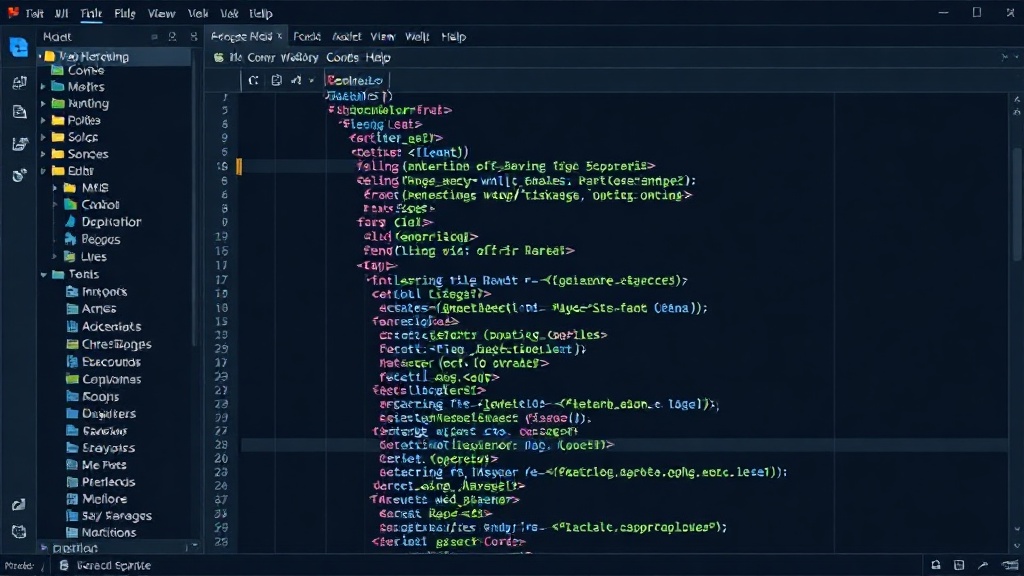
The uncle directs the nephew to examine the project's folder structure. Common directories like controllers/, services/, middlewares/, routes/, and models/ are presented. The nephew, accustomed to starting with a blank file, asks, "Where do I start?" The uncle's response is emphatic: "Don't start. Search." This directive is the core of the lesson. Before writing a single line of new code, a developer must first understand how the existing system operates, where relevant functionalities might already exist, and how new code will integrate without causing conflicts or unintended side effects.
Searching the codebase serves multiple purposes. Firstly, it helps identify existing patterns and conventions. Understanding how controllers handle requests, how services orchestrate business logic, and how models represent data provides a blueprint for the new feature. Secondly, it prevents reinvention of the wheel. The required functionality might already be partially or fully implemented, perhaps under a different name or as part of a larger module. Discovering this can save significant development time and ensure consistency.
The uncle further elaborates on the search strategy. He suggests looking for keywords related to the requirements. For instance, searching for "wishlist," "guest access," "duplicate," or "logout persistence" could reveal relevant existing code. This process is not just about finding code; it's about building a mental model of the application. It's akin to a detective examining a crime scene before drawing conclusions. The developer needs to gather evidence – the existing code – to understand the full picture.
The Value of Context
The uncle emphasizes that rushing into coding without this preparatory search is a common pitfall for junior developers. It often leads to duplicated effort, poorly integrated features, and increased technical debt. The codebase is a living entity, and its history and current state are crucial context. By searching, the nephew can learn:
- How similar features are currently implemented.
- Which libraries or frameworks are being used for specific tasks.
- The established patterns for error handling and data validation.
- Potential integration points or existing APIs that can be leveraged.
This initial exploration phase is not about writing code; it's about reading, understanding, and connecting the dots. It’s about respecting the existing architecture and ensuring that any new additions are harmonious with the whole. The uncle's advice to "search first" is a fundamental principle for effective software development, promoting efficiency, maintainability, and robustness. It shifts the focus from simply executing tasks to actively engaging with and understanding the system.
Beyond the Code: Understanding the 'Why'
The conversation also subtly touches upon the importance of understanding the business logic behind the requirements. While the nephew has the 'what,' the uncle's approach encourages him to discover the 'how' and 'where' within the existing system. This deeper understanding is critical for making informed decisions about implementation. For example, if the system already handles user sessions and persistence for other features, the nephew can leverage that existing mechanism for the wishlist's logout survival requirement, rather than building a custom solution.
The uncle’s guidance can be thought of as learning the language of the existing codebase. Just as one wouldn't start writing a novel without understanding grammar and vocabulary, a developer shouldn't start coding without understanding the existing syntax and structure of the project. This initial search phase is an investment that pays dividends in the long run, leading to cleaner code, fewer bugs, and a more cohesive application. It’s a testament to the fact that in software development, thoughtful exploration often precedes productive creation.
Ultimately, this episode underscores a critical lesson: building software is not just about writing new lines of code. It's about skillfully navigating and extending an existing system. The ability to efficiently search, understand, and integrate with existing code is a hallmark of an experienced and effective developer. The nephew's journey from "Close Jira, open VS Code" to "Don't start, search" represents a significant step in his development as an engineer.