
Micron's Initial Warranty Stumble with Crucial RAM
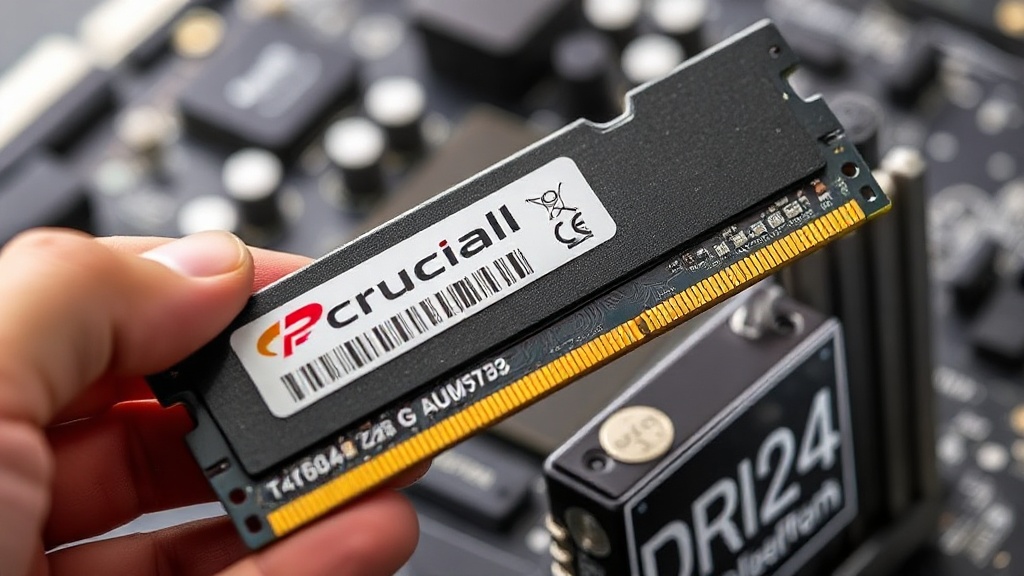
Micron's decision to phase out the Crucial brand has led to a contentious situation for customers seeking warranty service for their Crucial-branded RAM modules. A recent account detailed a significant issue where Micron reportedly offered an amount for returned Crucial RAM that was a mere fraction of its current market value. Specifically, the offer allegedly reimbursed customers only at the original Manufacturer's Suggested Retail Price (MSRP), a sum that represented a mere 37% of the RAM's actual market value at the time of the return request. This aggressive depreciation of value for warranty claims created considerable frustration among owners of Crucial memory, who felt shortchanged by a company they had trusted with their hardware investments.
The situation highlights a common point of friction in hardware warranties: the discrepancy between the original purchase price and the current market value, especially for components whose prices can fluctuate dramatically. For RAM, in particular, prices can drop significantly as newer, faster, or denser modules become available, or conversely, they can spike due to supply chain disruptions or increased demand. When a manufacturer bases warranty reimbursements solely on the original MSRP, it fails to account for these market dynamics. Customers who bought RAM years ago, potentially at a higher price point, and are now experiencing a failure, find themselves receiving a payout that is substantially less than what it would cost them to replace the faulty module with a comparable or even identical one on the open market today.
This initial approach by Micron, as reported, would have left customers in a difficult position. They would have received less than half of the money needed to replace their failed RAM, forcing them to either absorb the additional cost or settle for inferior components. This is particularly galling when the failure is not due to user error but a component defect covered under warranty. The company's strategy appeared to prioritize minimizing its payout over maintaining customer goodwill, a move that, predictably, backfired.
Customer Backlash and Micron's Course Correction
The outcry following this reported initial offer was swift and significant. As is often the case in the tech community, such customer service missteps are quickly disseminated through forums, social media, and tech news outlets. The narrative that Micron was effectively offering "pennies on the dollar" for Crucial RAM returns gained traction, painting the chipmaker in a negative light. This public relations fallout likely prompted Micron to reassess its approach. The company, perhaps realizing the long-term damage to its brand reputation and the potential alienation of a significant customer base, quickly moved to rectify the situation.
Micron eventually reversed its initial stance and introduced a more equitable solution. While the specifics of the improved offer were not fully detailed in the initial report, the implication is that the company began to offer reimbursements that more closely aligned with the actual market value of the Crucial RAM. This could have taken several forms: offering a higher cash payout closer to the current market rate, providing store credit for the equivalent value, or even offering direct replacements with comparable or newer modules. The key takeaway is that Micron listened to the feedback and adjusted its policy to be more customer-centric.
The Broader Implications for Hardware Warranties
This incident serves as a potent reminder of the evolving landscape of hardware warranties and the increasing importance of customer perception in the digital age. For manufacturers, especially those undergoing brand transitions or consolidating product lines, the warranty process is a critical touchpoint that can either solidify customer loyalty or create lasting resentment. Offering reimbursements based solely on original MSRP, without considering current market values or the cost of equivalent replacements, is a strategy that risks alienating customers, particularly in markets where component prices are volatile, such as RAM and GPUs.
The fact that Micron eventually corrected its policy suggests an understanding of these risks. It underscores that a short-term cost-saving measure can lead to significant long-term damage to brand equity. Companies must strike a balance between managing warranty costs and ensuring that customers feel fairly treated when a product fails prematurely. This often means adopting more flexible reimbursement models that account for market fluctuations. For consumers, this event reinforces the need to understand the terms of their hardware warranties and to be vocal when they believe those terms are being applied unfairly. The power of collective customer voice, amplified by tech media and online communities, remains a crucial check on corporate policies.
Furthermore, the phasing out of the Crucial brand itself, while a business decision, adds a layer of complexity. Customers who purchased products under a specific, trusted brand name may feel disoriented or concerned when that brand disappears, especially if it coincides with perceived changes in warranty support. Micron's handling of this transition, particularly regarding warranty claims for legacy Crucial products, will likely be scrutinized. The initial misstep and subsequent correction offer a case study in managing brand transitions and customer expectations during periods of change. It highlights that a transparent, fair, and market-aware warranty process is not just a customer service function, but a vital component of brand management.