
A Glimpse into Microprocessor Genesis
An artifact of immense historical significance in computing is currently seeking a skilled hand for preservation. The owner of what is described as 'the original engineering copy of the Intel 8080 rubylith mask' is actively searching for a restorer. This mask is not merely a blueprint; it is a handcrafted representation of the physical layout of the Intel 8080, a 2 MHz microprocessor that powered a generation of early personal computers and development systems. The mask itself, created using the Rubylith material – a red, light-sensitive film applied to a clear base, used for photolithography mask creation – reveals the intricate patterns of approximately 5,000 transistors and their interconnects. This level of detail offers an unparalleled window into the painstaking process of designing and manufacturing the foundational components of modern computing.
The Intel 8080, released in 1974, was a pivotal chip. It improved upon its predecessor, the 8008, offering an 8-bit data bus, a larger address space, and significantly higher performance. This made it the processor of choice for the Altair 8800, the microcomputer kit that is widely credited with sparking the personal computer revolution. The 8080's architecture and instruction set influenced subsequent Intel processors and became a de facto standard for many early microcomputers. Owning and preserving the original engineering mask for such a landmark chip is akin to possessing the original architectural drawings for a foundational building of Silicon Valley. It represents not just the culmination of intense engineering effort but also the very genesis of an industry.
The Art and Science of Rubylith Mask Creation
The process of creating a Rubylith mask for semiconductor fabrication was both an art and a science. Engineers would meticulously design the chip layout, often at a significantly magnified scale. For the Intel 8080, this would have involved translating the complex logic and circuit diagrams into physical geometric shapes. This design was then transferred onto a large sheet of Rubylith film. The red layer of the Rubylith would be carefully cut, typically using a specialized cutting machine or even by hand with a sharp blade, to expose the areas that would eventually form the conductive pathways and transistor gates on the silicon wafer. The clear base material protected the rest of the mask. This physical mask then served as a template for photolithographic processes, where light would be shone through the cut-out areas to etch the patterns onto silicon wafers, layer by layer, building up the integrated circuit.
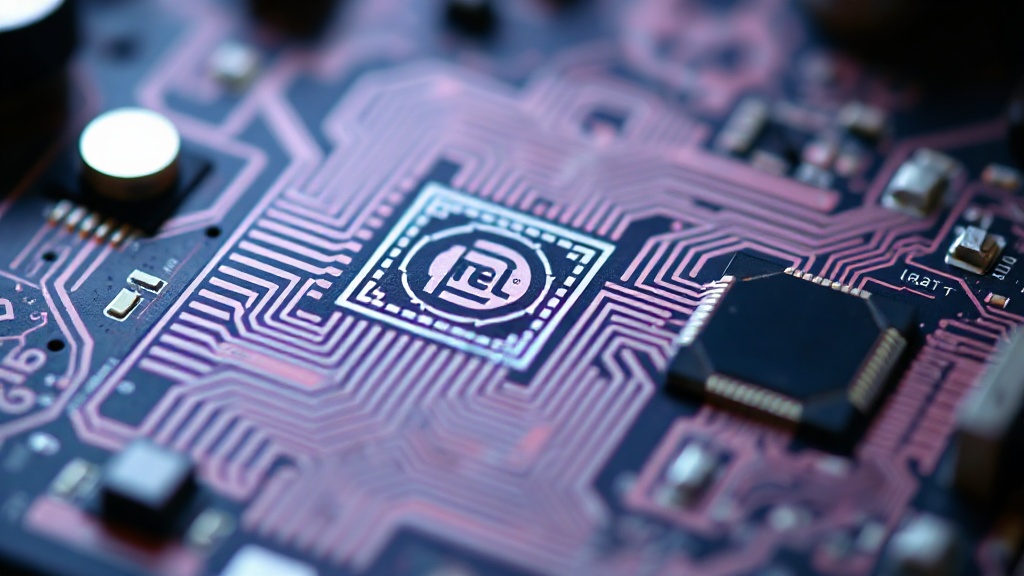
The sheer number of transistors on the 8080 – around 5,000 – and the complexity of their interconnections meant that this mask would have been a substantial undertaking. Each transistor and each wire connecting them had to be precisely represented. The fact that this is an 'original engineering copy' suggests it was a working document, possibly used for initial fabrication runs or as a master reference. Unlike modern digital design files, which can be infinitely replicated and modified with ease, a Rubylith mask was a physical object, susceptible to damage, degradation, and wear. Its survival is a testament to careful handling, and its current need for restoration highlights the fragility of such analog artifacts in the digital age.
Why This Artifact Matters Today
The significance of this Rubylith mask extends far beyond its material value. It is a tangible link to a pivotal moment in technological history. For engineers and historians, it offers a rare opportunity to study the physical manifestation of early integrated circuit design. Understanding how these complex chips were laid out by hand, before the advent of sophisticated electronic design automation (EDA) tools as we know them today, provides crucial context for the evolution of semiconductor manufacturing. It underscores the ingenuity and dedication of the engineers who laid the groundwork for the silicon-based world we inhabit.
The request for a restorer implies that the mask may have suffered some damage over the decades. Rubylith, being a film-based material, can become brittle, discolored, or suffer from delamination. The adhesive layers can degrade, and the film itself can be prone to tearing or bubbling. A skilled restorer would need expertise in handling delicate vintage materials, potentially involving cleaning, stabilizing the film, repairing small tears, and perhaps even re-adhering sections if they have lifted. The goal would be to preserve the integrity of the mask's design while ensuring its long-term stability for display and study. This is not a task for a general conservator but likely requires someone with experience in historical photographic materials, graphic arts, or perhaps even specific knowledge of historical electronics manufacturing processes.
What nobody has fully addressed yet is what the implications are for understanding the actual manufacturing tolerances and potential yield issues of the early 8080 production. Examining the precision of the hand-cut Rubylith could offer clues about the physical limitations and challenges faced by Intel engineers at the time, information that might not be readily apparent from digital schematics or even the final silicon die itself. This artifact could serve as a Rosetta Stone for early microprocessor fabrication techniques, revealing details about process variations and the very definition of 'engineering copy' in the pre-digital age of chip design.
The Search for a Guardian
The owner's search for a restorer is more than just a call for technical skill; it's a plea for the preservation of a piece of computing heritage. This mask represents countless hours of meticulous work by engineers whose names may be lost to history but whose contributions are undeniable. It is a physical testament to the innovation that propelled the digital revolution forward. Finding the right individual or institution to undertake this restoration is crucial. It ensures that this unique artifact can be safeguarded, studied, and appreciated by future generations, offering them a direct connection to the very foundations of the technology they use every day. The 2 MHz clock speed of the 8080 might seem glacial by today's standards, but the design principles and the sheer effort embodied in this Rubylith mask are timeless.