
Meta Connect 2026: A New Era for Smart Glasses and AI Integration
Meta's annual Connect conference this year signaled a significant shift in its hardware strategy, with a strong emphasis on privacy and AI. The company unveiled its first-ever smart glasses designed without a camera, a direct response to growing public concerns about ubiquitous surveillance and the potential for non-consensual recording. This move suggests Meta is attempting to reframe its wearable technology for broader consumer adoption, moving beyond niche applications and into everyday use cases where privacy is paramount.
The camera-less smart glasses represent a bold pivot. For years, Meta's Ray-Ban Stories and subsequent iterations have featured integrated cameras, sparking debates about user privacy and data collection. While these devices offered unique functionalities like photo and video capture, their presence also raised anxieties. By introducing a camera-free option, Meta is directly addressing these fears, aiming to make smart glasses feel less intrusive and more like a natural extension of personal communication and information access. This product line is positioned to compete with other wearables that offer audio, notification, and potentially display capabilities without the inherent privacy concerns of a built-in lens.
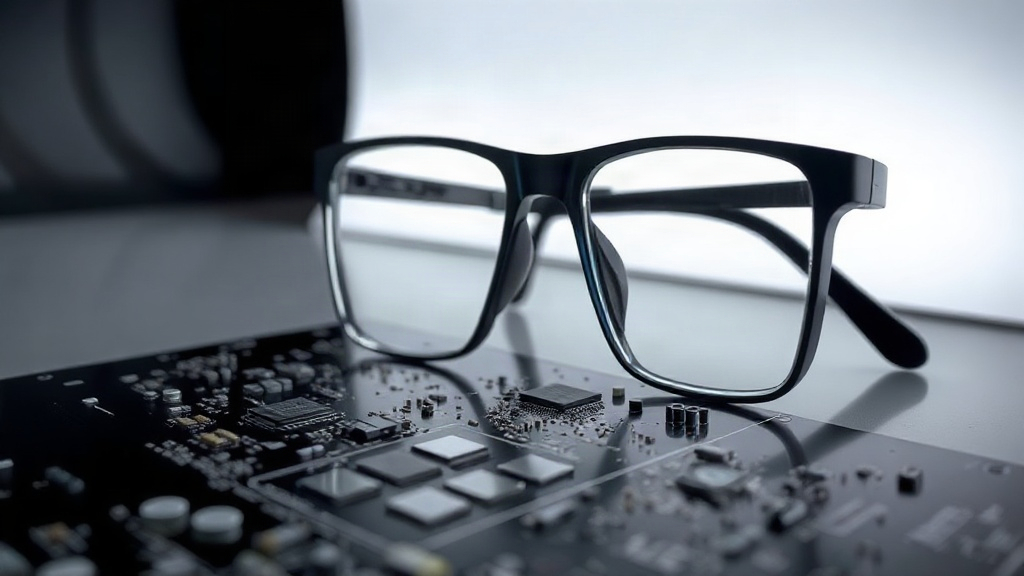
Advancements in AI and the Road to Augmented Reality
Beyond the new glasses, Meta Connect 2026 also showcased the company's relentless pursuit of artificial intelligence integration across its product ecosystem. While specific details on the AI models or their training data were sparse, the overarching theme was clear: AI is no longer a separate feature but a foundational element for future Meta devices. This includes enhancements to existing platforms like the Quest VR headsets and the forthcoming AR glasses. The company hinted at more sophisticated AI assistants that can understand context, anticipate user needs, and interact more naturally with the digital and physical worlds.
The implications for developers are substantial. Meta is pushing its AI tools and frameworks, encouraging creators to build AI-powered experiences that can leverage these new hardware capabilities. This includes AI agents that can assist users within virtual environments, provide real-time information overlays in AR, and personalize user interactions on a deeper level. The success of these initiatives hinges on Meta's ability to foster a robust developer community willing to build on its AI and AR platforms, much like Apple has done with its Vision Pro ecosystem.
The Long Game: Future Hardware and Ecosystem Play
While the camera-free glasses are the most tangible new product announced, Meta also offered glimpses into its longer-term hardware vision. The company reiterated its commitment to building a true augmented reality device, one that seamlessly blends digital information with the real world. This vision, however, remains years away from mass market realization. The current generation of smart glasses, even the camera-free variant, serves as a stepping stone, gathering user feedback and refining the form factor and functionality for future iterations.
The strategy appears to be one of iterative development, with each product release building upon the last. The camera-free glasses are likely to inform the design and feature set of future AR glasses, while the AI advancements will power more intelligent and intuitive interactions across all of Meta's hardware. This approach mirrors Meta's broader strategy of building out a comprehensive metaverse ecosystem, where hardware, software, and AI work in concert to create immersive and interconnected experiences.
One interesting point of discussion that arose from the conference, though not directly announced, involved the ongoing challenges Meta faces regarding public perception and trust, particularly concerning AI and data privacy. While the camera-free glasses are a step towards addressing these concerns, the broader conversation around AI's role and Meta's data practices continues. The company's ability to navigate these complex issues will be as critical to its long-term success as its technological innovations. The path forward for Meta is not just about building advanced hardware, but also about building confidence with consumers and regulators alike.
Meta Connect 2026 has clearly laid out the company's roadmap for the next few years. The focus on privacy-friendly hardware, coupled with deep AI integration, signals a strategic effort to broaden the appeal of its wearable technology and lay the groundwork for a future dominated by augmented reality. The success of these ambitious plans will depend on continued innovation, developer adoption, and Meta's ability to build and maintain public trust.