
Intel's Nova Lake Architecture: A Glimpse into the Future
Intel's upcoming Nova Lake processors, anticipated to debut under the Core Ultra 200 series branding, are becoming clearer through a steady stream of leaks. While Intel remains tight-lipped, the cumulative information paints a picture of a significant architectural evolution, moving beyond the hybrid performance and efficient core design seen in current generations. The focus appears to be on enhanced performance, improved power efficiency, and potentially new manufacturing processes. This push is critical for Intel as it navigates an increasingly competitive CPU market, facing pressure from AMD's Ryzen lineup and the growing influence of ARM-based processors in laptops and even some desktops.
The leaks suggest Nova Lake will continue to leverage Intel's tiled (or chiplet) design approach, refining the integration of compute tiles, graphics tiles, and I/O tiles. This modular design allows Intel to scale performance and features more flexibly and efficiently, much like assembling different specialized Lego bricks to build a complex structure. Early indications point towards a new generation of performance cores (P-cores) and efficient cores (E-cores), likely built on an advanced node, possibly Intel 3 or even a refined Intel 4 process. The integration of a more powerful Neural Processing Unit (NPU) for AI acceleration is also a strong possibility, aligning with industry trends and the growing demand for on-device AI capabilities.
Timeline Speculation: Late 2024 Emerges as Likely Launch Window
Establishing a concrete release timeline for Nova Lake has been challenging, with various rumors offering different windows. However, the most persistent and seemingly credible leaks, including those from prominent hardware leakers and industry observers, converge on a late 2024 launch. Specifically, whispers suggest a potential announcement and release in the fourth quarter of 2024, possibly around October or November. This timing would place Nova Lake in direct competition with AMD's next-generation offerings and align with the typical holiday sales season, a prime period for new hardware releases.
This late 2024 window is supported by several factors. Firstly, Intel's usual product cadence often sees major architecture shifts in the latter half of the year. Secondly, the development and manufacturing of advanced silicon are complex processes. A Q4 2024 release allows for sufficient time for Intel's fabs to ramp up production of the new tiles and for system manufacturers to integrate these processors into their upcoming laptop and desktop designs. The Core Ultra 100 series, based on the Meteor Lake architecture, launched in late 2023. A roughly one-year cycle for a new flagship architecture is not unprecedented for Intel.
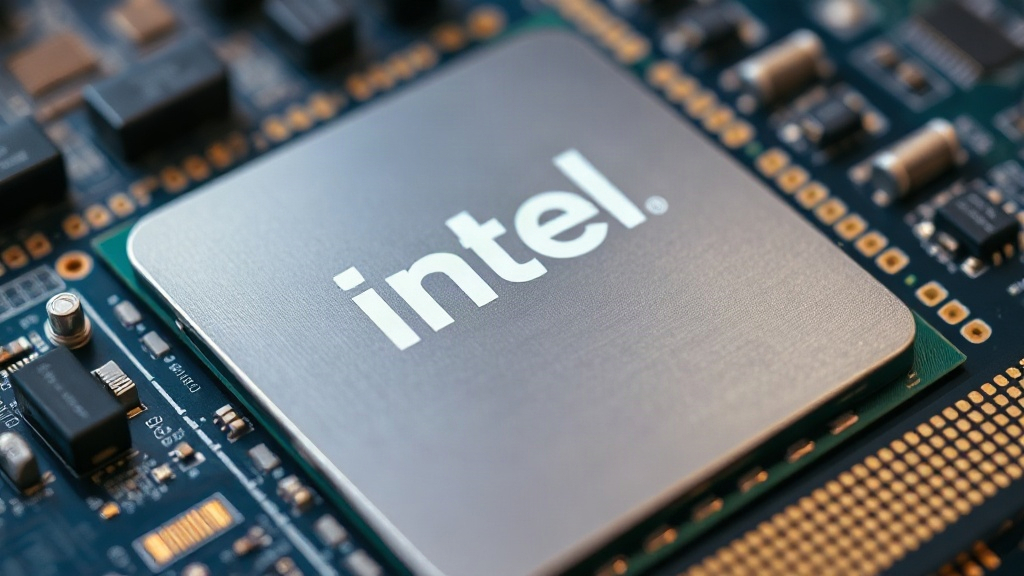
Core Ultra 200 Series: Naming and Branding
The naming convention for Nova Lake processors has also been a subject of speculation. The prevailing theory is that these chips will form the basis of Intel's Core Ultra 200 series. This aligns with Intel's recent branding shift, which separates its higher-end, AI-capable processors under the "Core Ultra" moniker, distinguishing them from the more mainstream "Core" series. This branding strategy aims to highlight the advanced features and performance levels of these new chips, particularly their integrated AI acceleration capabilities. The specific SKUs within the Core Ultra 200 series are expected to span various performance tiers, from high-end enthusiast chips to more mainstream mobile processors, catering to a broad spectrum of users.
Architectural Enhancements: What to Expect Under the Hood
While specific details remain under wraps, the leaks suggest several key architectural improvements for Nova Lake. The next-generation P-cores are rumored to offer a notable IPC (instructions per clock) uplift compared to the current generation, potentially built on an enhanced version of the Intel 3 process node. This would translate to tangible performance gains in CPU-bound tasks. Similarly, the E-cores are expected to become more power-efficient and potentially more performant, further contributing to overall system responsiveness and battery life in mobile devices.
The integrated graphics (iGPU) are also slated for an upgrade. While the exact architecture is unclear, it's likely to be an evolution of the Xe-LPG architecture found in Meteor Lake, offering improved performance for casual gaming, media consumption, and graphics-accelerated applications. The NPU, a dedicated AI engine, is expected to see a significant boost in performance and efficiency. This is crucial as more applications and operating system features increasingly rely on AI for tasks like background noise cancellation, AI-powered creative tools, and enhanced power management. The tiled design, as mentioned, will be key to integrating these diverse components seamlessly.
Manufacturing and Process Node
A critical factor for Nova Lake's success will be the manufacturing process. Intel has been aggressively pursuing its IDM 2.0 strategy, which includes developing its own advanced manufacturing nodes and offering foundry services. For Nova Lake, the most probable process nodes are Intel 3 for the compute tiles and potentially Intel 20A or 20B for other specialized tiles. Intel 3 is an enhancement of Intel 4, promising higher transistor density and performance compared to its predecessor. The advanced Intel 20A node, featuring RibbonFET and PowerVia technologies, represents a significant leap forward, enabling even greater power efficiency and performance. The successful ramp-up and yield of these advanced nodes will be crucial for delivering competitive products on time and at scale.
The transition to these more advanced nodes is not merely an incremental upgrade; it's a strategic imperative for Intel. It allows them to compete more effectively on performance-per-watt with TSMC's leading-edge nodes, which are currently used by many of their competitors, including AMD for some of their chiplets. The success of Intel's foundry business also hinges on its ability to deliver these advanced nodes reliably. Therefore, the manufacturing story behind Nova Lake is as important as its architectural design.
Broader Market Implications
The arrival of Nova Lake, particularly if it delivers on its performance and efficiency promises, could significantly reshape the PC market. For consumers, it means more powerful and versatile laptops and desktops, with enhanced AI capabilities becoming more accessible. For Intel, it represents a critical step in reclaiming market share and demonstrating its technological prowess. The success of Core Ultra 200 series will be a key indicator of Intel's ability to execute its ambitious manufacturing roadmap and its strategy to compete in the AI-driven computing era. The competition will undoubtedly respond, potentially leading to an accelerated pace of innovation across the industry.
What remains to be seen is how Intel will price these new processors and whether the performance gains will justify the upgrade for existing users. The competitive landscape is fierce, and Intel needs to offer a compelling value proposition to sway users from AMD and other emerging alternatives. The specific performance uplift in AI workloads, driven by the enhanced NPU, will also be a major differentiator and a key selling point for the Core Ultra 200 series.