Gemini's Integration Horizon Broadens
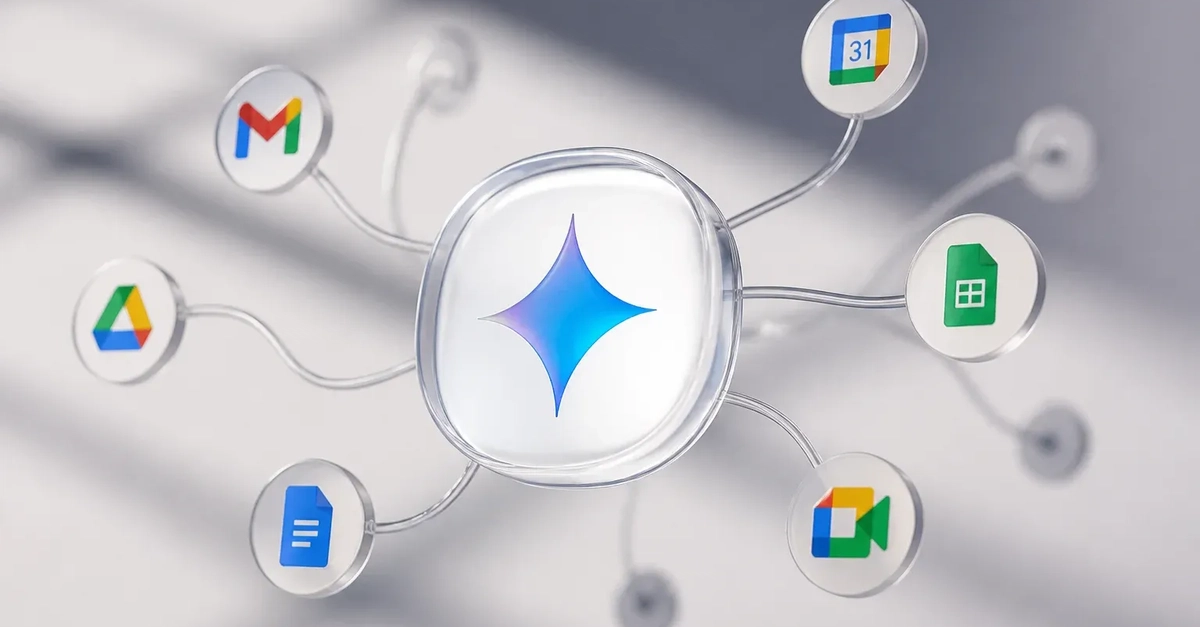
Google Gemini, the company's flagship AI assistant, is signaling a significant expansion of its app integration capabilities. While specific details remain scarce, a recent teaser suggests that Gemini is preparing to connect with more of users' favorite applications. This move could fundamentally alter how professionals interact with AI tools, shifting them from standalone applications to deeply embedded components of daily workflows. The potential lies in reducing context switching, a persistent productivity drain for many, by allowing users to access information and perform tasks across different services without leaving the Gemini interface.
However, the current information is a teaser, not a product announcement. It lacks concrete details on which apps will be supported, the specific functionalities that will be enabled, or any potential changes to pricing models. This ambiguity is critical for businesses. Making assumptions about new capabilities based on vague hints can lead to misallocated resources and inefficient planning. The practical takeaway for businesses is to adopt a wait-and-see approach, focusing on official announcements from Google that will clarify the actual functionality and scope of these integrations.
The Strategic Importance of App Connectivity
The true value of an AI assistant like Gemini often hinges on its ability to integrate seamlessly with the tools businesses already rely on. If Gemini can effectively bridge the gap between its conversational AI capabilities and the operational software used daily—think CRM systems, project management tools, communication platforms, or data analysis software—it transforms from a novel tool into an indispensable component of the digital workspace. For example, imagine asking Gemini to summarize recent customer interactions from your CRM, generate a draft project update based on task statuses, or schedule a meeting while automatically checking attendees' calendars. These actions, if integrated, bypass the need to log into multiple systems, thus saving valuable time and reducing cognitive load.
The challenge for Gemini, and indeed for any AI assistant aiming for widespread business adoption, is not just about listing supported apps. It's about the depth and intelligence of those integrations. Will they offer superficial access, or will they enable complex, multi-step workflows? The success of such integrations will depend on the APIs provided by third-party app developers and Google's ability to orchestrate these connections intelligently. Without this, Gemini risks remaining a powerful but isolated tool, separate from the core operational fabric of many organizations.
What Businesses Should Be Watching For
Given the limited information, businesses should focus their attention on several key areas as Google gradually reveals more about Gemini's integration plans:
- Official Partner Announcements: Identifying which specific applications Google is partnering with is paramount. This will indicate the immediate relevance and potential impact on different business sectors. A partnership with Salesforce, for instance, would signal a direct play for sales and customer service teams, while integrations with tools like Asana or Jira would target project management and engineering functions.
- Functionality Scope: The nature of the actions Gemini can perform within integrated apps is crucial. Will it be limited to read-only access, or will it support read-write operations and complex task execution? The ability to create, update, and manage data or processes within other applications will define Gemini's utility far more than simple data retrieval.
- User Interface and Experience: How will these integrations be presented within the Gemini interface? A clunky or confusing UX will undermine the benefits of reduced context switching. An intuitive design that seamlessly blends information and actions from connected apps will be key to adoption.
- Data Privacy and Security: As Gemini gains access to more sensitive business data through app integrations, robust privacy and security protocols will be non-negotiable. Businesses will need clear assurances about how their data is handled, stored, and protected across integrated services.
- Pricing and Tiering: Understanding any new pricing structures associated with enhanced integrations is essential for budgeting and ROI calculations. Will advanced integrations be part of a free tier, or will they require premium subscriptions?
The current teaser, while exciting, serves as a reminder that AI assistant evolution is iterative. Businesses that jump to conclusions or prematurely alter their strategies based on speculation will likely be disappointed. The strategic imperative is to remain informed and ready to adapt once concrete plans and capabilities are unveiled.
The Unanswered Question of Developer Adoption
What remains conspicuously absent from the current discourse is how Gemini's integration strategy will empower third-party developers. While Google can announce partnerships with major SaaS providers, the true breadth and depth of Gemini's ecosystem will depend on its ability to attract and support a wide range of developers building custom integrations. Will Google offer robust SDKs and APIs that are easy to use and comprehensively documented? Will there be a clear path to monetization for developers who build valuable integrations? Without a strong developer community, Gemini's ability to connect with the vast universe of business tools will be inherently limited, leaving many potential use cases untapped.
Looking Ahead: Beyond the Tease
The impending expansion of Gemini's app integrations represents a significant potential shift in the AI assistant landscape. For businesses, this is not merely about having another AI tool; it's about how AI can become more deeply woven into the operational fabric of their organizations. The promise of reduced context switching and streamlined workflows is compelling. However, the current lack of specifics necessitates patience and a focus on verifiable information. Businesses should actively monitor official Google communications, analyze the announced partnerships and functionalities, and critically evaluate the security and privacy implications before integrating Gemini more deeply into their operations. The future of Gemini's utility hinges on its ability to move beyond the teaser and deliver tangible, practical value through well-defined app integrations.