
The Double-Edged Sword of AI in Game Development
The relationship between gamers, particularly indie game developers and their communities, and artificial intelligence is fraught with tension. While AI tools offer tantalizing possibilities for rapid prototyping and cost reduction, they also stir deep-seated anxieties about artistic integrity, intellectual property, and the very livelihoods of human creators. At its core, the debate centers on whether AI is a democratizing force for small-scale game creation or an existential threat to creative professionals.
For many indie developers, the reality is stark: limited budgets often preclude hiring full teams of artists, musicians, and writers. In this landscape, AI tools can appear as a lifeline, enabling the creation of functional prototypes or even complete, albeit sometimes less polished, games that would otherwise remain unrealized dreams. The argument for AI in these scenarios is one of feasibility – it’s the only way to bring certain visions to life. This perspective often clashes with the established industry norm of valuing human artistry and the ethical considerations surrounding the use of existing artists' work in AI training datasets without explicit consent.
The controversy intensifies when considering AI art generators. Many gamers and artists point to the widespread use of copyrighted artwork to train these models. This practice raises legal and ethical questions: is it fair to use an artist's years of developed skill and unique style to create derivative works without compensation or permission? For many, the answer is a resounding no, leading to a perception of AI as parasitic, feeding off the labor of human creators to generate content that then competes with them.
However, the picture is not entirely black and white. Proponents argue that AI can be a powerful assistant, not a replacement. AI can handle repetitive tasks, generate placeholder assets for rapid iteration, or even help with complex coding challenges, freeing up human developers to focus on core gameplay mechanics, narrative design, and unique artistic direction. The key, they suggest, lies in how AI is implemented: as a tool to augment human creativity, rather than a substitute for it. The debate, therefore, is less about banning AI outright and more about establishing ethical guidelines and fair practices for its use.
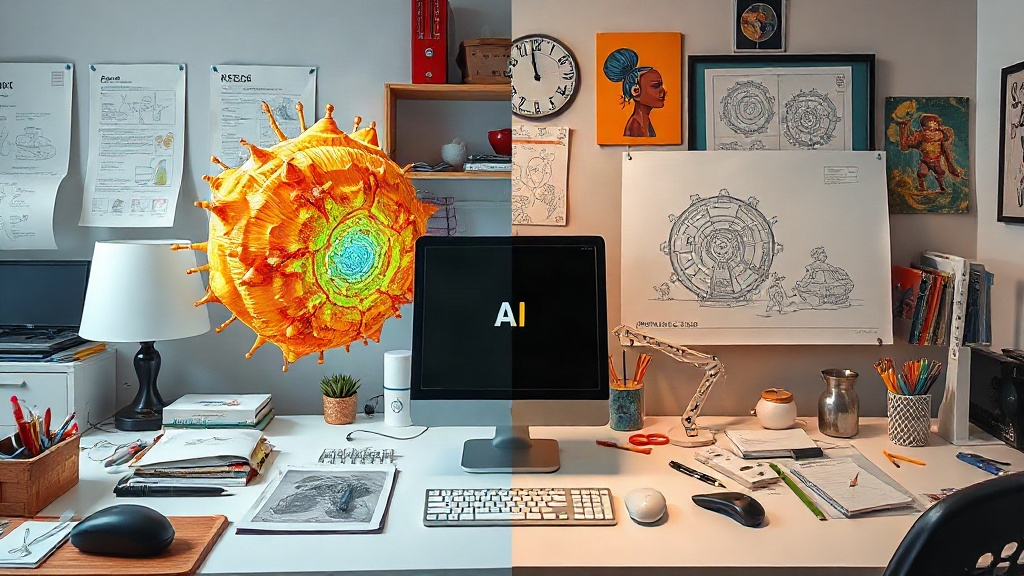
The Indie Developer's Dilemma: Necessity vs. Ethics
Indie game development is often characterized by passion projects born from small teams or even solo creators working with shoestring budgets. For these individuals, the economic pressures are immense. Hiring a dedicated concept artist, character modeler, environment artist, and UI designer can easily consume a significant portion, if not the entirety, of a small project's funding. This financial barrier is where AI tools present a compelling, albeit controversial, solution.
Consider a solo developer with a brilliant game mechanic but limited visual art skills. Without AI, they might spend months learning to draw, drastically delaying their project, or abandon the visual aspect, resulting in a game that fails to capture player imagination. AI art generators can produce concept art, character sprites, or environmental textures within minutes, allowing the developer to quickly visualize their game world and build a playable prototype. This prototype is crucial not only for personal iteration but also for attracting potential publishers, crowdfunding backers, or even new team members.
This pragmatic approach, however, sits uncomfortably with many in the gaming community. The argument is that even if AI is used for prototyping, it sets a dangerous precedent. If AI-generated assets are acceptable for initial development, where does the line get drawn? Will studios increasingly rely on AI to cut costs, leading to a workforce reduction for artists and potentially a homogenization of game aesthetics? The concern is that the unique vision and handcrafted quality that often define beloved indie games could be lost in a sea of algorithmically generated content.
Training Data: The Unresolved Ethical Quagmire
A significant portion of the animosity towards AI in creative fields, including gaming, stems from the methods used to train AI models. Large language models and image generators are often trained on vast datasets scraped from the internet. This data frequently includes copyrighted artwork, character designs, and artistic styles belonging to human artists who have not granted permission for their work to be used in this manner. This practice feels exploitative to many, akin to industrial espionage or intellectual property theft on a massive scale.
Artists see their unique styles, developed over years of practice and personal expression, being replicated by AI in seconds. They worry that AI-generated art, produced at near-zero marginal cost, will devalue their skills and undercut their ability to earn a living. When a game uses AI art trained on existing artists' work, it’s perceived as directly profiting from that exploitation. This is particularly galling for indie developers who often have deep respect for the craft and may have personal connections with artists in their community.
The legal battles and ongoing discussions surrounding AI training data highlight the complexity of the issue. Copyright law is struggling to keep pace with technological advancements. While some AI companies argue that training data usage falls under fair use, many artists and legal experts disagree, pointing to the commercial nature of the generated output and the direct competition it poses.
The Future of Creativity: Collaboration or Replacement?
The question facing the gaming industry, and creative industries broadly, is whether AI will ultimately serve as a powerful co-pilot for human creators or as a force that displaces them. If AI is used responsibly – to assist with tedious tasks, accelerate workflows, and enable developers with limited resources to bring their ideas to life – it could foster innovation and lead to a more diverse gaming landscape. The key is transparency and ethical sourcing of training data, alongside fair compensation models for artists whose work contributes to AI development.
Conversely, a future where AI replaces human artists, writers, and designers wholesale would be detrimental to the rich tapestry of creative expression that games represent. It could lead to a sterile, algorithmically optimized output that lacks the soul and unique perspective that human creators bring. The current backlash from gamers and indie developers is a clear signal that the industry must navigate this transition with caution, prioritizing human talent and ethical considerations alongside technological advancement.
The tolerance for AI in game development, especially within the indie scene, hinges on these ethical considerations. While AI might be a necessary tool for survival for some, the community's strong aversion highlights a demand for creative integrity and respect for the artists who have long defined the visual and narrative landscapes of their favorite games. The path forward requires a delicate balance, ensuring that AI enhances rather than erodes the human element at the heart of game creation.