The Problem: Notification Blindness is Real
In our hyper-connected digital lives, a constant barrage of notifications vies for our attention. Banners, badges, and text pop-ups flood our devices, leading to a phenomenon known as notification blindness. Our brains, overwhelmed by the sheer volume, begin to automatically dismiss these alerts without processing their content. This isn't just an annoyance; for many, especially remote workers and developers, it means crucial reminders—to take breaks, hydrate, or even attend meetings—are frequently missed.
This constant dismissal cycle led one developer, Tarkun, to seek a more effective solution. The default text-based reminders, he found, were simply too easy to ignore. They blended into the background noise of digital communication, failing to cut through the clutter. This personal struggle sparked the idea for a new kind of reminder system, one that could actually capture attention and prompt action.
The Solution: Yominder, a Voice-First AI Sidekick
To combat notification blindness, Tarkun developed Yominder, a mobile application built with the Flutter framework. Yominder replaces the passive, easily ignored text notifications with active, engaging reminders delivered by lifelike AI voice personas. The core concept is to leverage the distinctiveness and personal touch of human-like speech to ensure reminders are heard and acted upon.
Instead of a generic chime and a block of text, users are greeted by distinct AI voice companions. The app offers a variety of personas, each designed to suit different user needs and preferences. Imagine a supportive sibling reminding you to stand up, a stern fitness coach pushing you through a workout reminder, or a quirky character delivering a daily affirmation. These varied personalities aim to make the reminder experience more engaging and less likely to be dismissed.
The app supports a range of common reminder types, including prompts for eye strain relief, posture correction, hydration, and taking short breaks. For instance, a user might hear, “Hey, time to give your eyes a rest. Try the 20-20-20 rule,” or “Don't forget to drink some water; staying hydrated is key for focus.” The AI's ability to deliver these messages in a natural, conversational tone is central to Yominder's effectiveness.
Under the Hood: Flutter and AI Integration
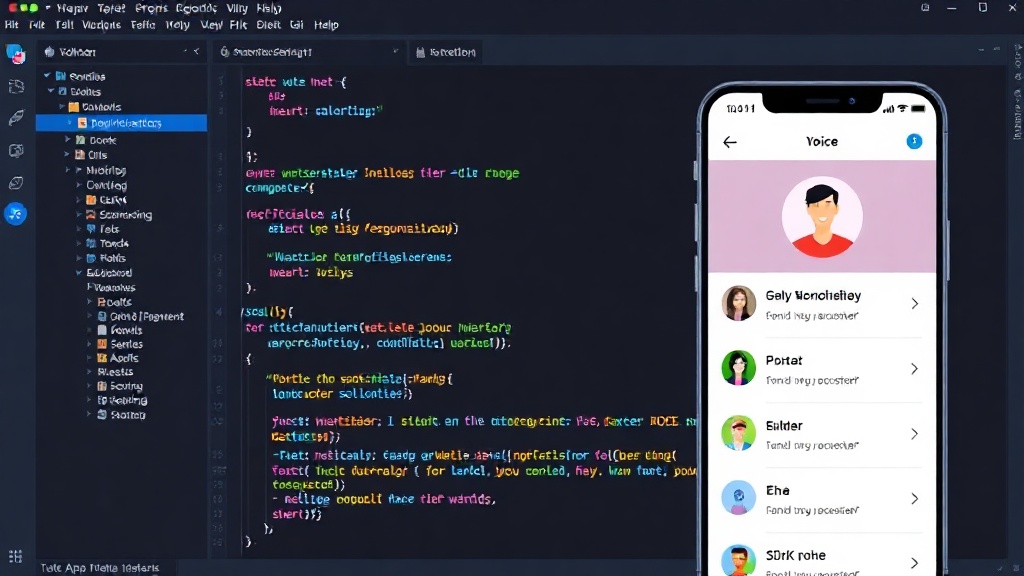
Yominder’s development leverages Flutter, Google's open-source UI software development kit for building natively compiled applications for mobile, web, and desktop from a single codebase. This choice allows for efficient development and a consistent user experience across different platforms. The cross-platform nature of Flutter means that the app can reach a wider audience without requiring separate development efforts for iOS and Android.
The AI aspect of Yominder is crucial. While the article doesn't detail the specific AI models or services used, it implies a sophisticated text-to-speech (TTS) engine capable of generating natural-sounding human voices with distinct intonations and personalities. The ability to script different personas with unique speaking styles is a key technical challenge that Yominder appears to have addressed effectively. This involves not just generating speech, but also imbuing it with character and context, making the reminders feel more like a personal interaction than an automated alert.
The app's architecture likely involves a robust backend to manage user preferences, reminder schedules, and the AI voice generation. Frontend logic, handled by Flutter, ensures a smooth and intuitive user interface for setting up reminders, selecting personas, and managing the notification settings. The integration between the Flutter frontend and the AI backend is critical for delivering timely and context-aware voice prompts.
The User Experience: More Than Just a Reminder
The goal of Yominder is to transform reminders from passive nuisances into active, helpful nudges. By using AI voices, the app aims to create a more personal and less intrusive experience. The variety of AI personas is designed to cater to different user preferences, ensuring that the reminders feel tailored rather than generic. A user who finds a stern coach motivating will select that persona, while someone who prefers a gentle nudge might opt for a more supportive voice.
This approach addresses the psychological barrier of notification blindness. A text notification can be dismissed with a single swipe, often unconsciously. A voice, however, demands auditory processing. When delivered by an AI persona that users have chosen and perhaps even grown accustomed to, the reminder is more likely to be acknowledged. It’s akin to a friend calling out to you versus a note left on your desk; one demands immediate attention, the other can be ignored.
The long-term vision for Yominder extends beyond simple routine reminders. The underlying technology could be applied to a wide range of use cases, from educational prompts and language learning exercises to personalized coaching and even interactive storytelling. The ability to deliver information and prompts via engaging, characterful AI voices opens up new possibilities for how we interact with technology for personal development and daily task management.
Challenges and Future Directions
While Yominder presents an innovative approach, several challenges remain. Ensuring the AI voices are genuinely natural and not uncanny or robotic is paramount. The cost and complexity of integrating advanced TTS and AI personality engines can also be a barrier. Furthermore, user adoption will depend on how well the app integrates into existing workflows and how effectively it demonstrates its value over traditional reminder systems.
The question of privacy is also relevant. As the app potentially collects data on user habits and preferences to personalize reminders, robust data protection measures are essential. Transparency about data usage and clear user controls will be critical for building trust.
Looking ahead, the potential for Yominder and similar voice-first AI applications is significant. As AI technology continues to advance, we can expect even more sophisticated and personalized voice interactions. The success of Yominder highlights a clear demand for more engaging and effective ways to manage our digital lives, moving beyond the limitations of traditional text-based notifications. The future may well be spoken, not just typed.