
The Genesis of DAWO: A Need for Independence
The Dutch government, specifically aiming to empower its municipalities, has embarked on an ambitious project: the creation of an open-source operating system designed to serve as a direct alternative to Microsoft's ubiquitous Windows and Office suite. This initiative, codenamed DAWO (an acronym derived from 'Digitale Arbeidsomgeving', meaning 'Digital Work Environment'), is built upon the robust and declarative NixOS. The primary driver behind DAWO is a desire for greater digital sovereignty, reduced reliance on proprietary software vendors, and enhanced security and transparency within public administration.
For years, Dutch municipalities have operated on Microsoft-centric IT infrastructures. While functional, this reliance presents several challenges. Vendor lock-in restricts flexibility and can lead to escalating costs. Furthermore, the opaque nature of proprietary software raises concerns regarding data privacy and security, especially for government entities handling sensitive citizen information. The DAWO project seeks to address these issues head-on by leveraging the power of open-source software and a fundamentally different approach to system management embodied by NixOS.
NixOS: The Foundation of Declarative Control
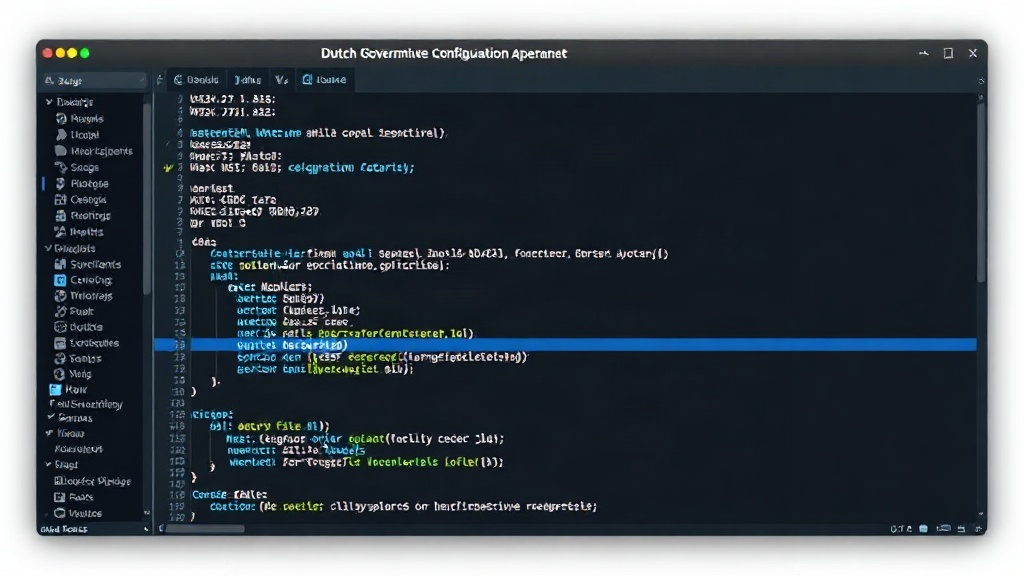
At the heart of DAWO lies NixOS, a Linux distribution known for its unique approach to package management and system configuration. Unlike traditional operating systems where configuration is managed through imperative scripts and manual file edits, NixOS employs a declarative model. This means system administrators define the desired state of the entire operating system – including installed packages, configuration files, and system services – in a configuration file. NixOS then ensures the system matches this declared state, making it highly reproducible, reliable, and easy to roll back to previous known-good states.
This declarative nature is a significant departure from the way most government IT departments currently operate. Managing fleets of Windows machines often involves complex scripting, manual updates, and a high risk of configuration drift, where individual machines deviate from the intended setup. NixOS, and by extension DAWO, offers a paradigm shift. Administrators can define their ideal system configuration once, and NixOS handles the rest. If an update causes issues, a simple rollback command reverts the entire system to its previous, stable state. This predictability is invaluable for maintaining critical infrastructure.
Key Features and Goals of DAWO
DAWO is not merely a stripped-down Linux distribution. The project aims to provide a comprehensive digital work environment tailored for the specific needs of Dutch public sector employees. Key objectives and features include:
- Microsoft Office Replacement: A primary goal is to offer a seamless transition away from Microsoft Office. DAWO will likely integrate mature open-source office suites such as LibreOffice, alongside collaboration tools and cloud storage solutions that can interoperate with existing government systems or provide a self-hosted alternative.
- Enhanced Security and Transparency: By being open-source, DAWO allows for rigorous security audits by any interested party, including government security agencies. This transparency builds trust and allows for the swift identification and remediation of vulnerabilities. The declarative nature of NixOS also contributes to security by ensuring systems are configured consistently and predictably, reducing the attack surface.
- Reproducibility and Reliability: The NixOS foundation ensures that any DAWO deployment can be precisely reproduced. This is critical for auditing, disaster recovery, and ensuring consistency across thousands of workstations. Administrators can confidently deploy updates knowing that the system's integrity is maintained.
- Cost Reduction: Moving away from expensive Microsoft licenses can lead to significant cost savings for municipalities. While there are development and support costs associated with DAWO, the long-term savings from eliminating proprietary software licenses are expected to be substantial.
- Customization and Flexibility: DAWO aims to be highly customizable. Municipalities can adapt the DAWO configuration to their specific workflows and application requirements without being constrained by the rigid structures of proprietary operating systems.
Challenges and the Road Ahead
The transition to a new operating system, especially one built on a less common foundation like NixOS, is not without its hurdles. One of the most significant challenges will be user adoption and training. Many public sector employees are accustomed to the Microsoft ecosystem, and retraining an entire workforce requires substantial investment and planning. The learning curve for NixOS itself, while rewarding for system administrators, can be steep for those new to its declarative paradigm.
Another challenge lies in ensuring compatibility with existing third-party software and hardware that may have been developed with Windows in mind. While open standards and emulation layers can mitigate some issues, ensuring a smooth integration for all essential applications and peripherals will require careful planning and potentially custom development. The project must also demonstrate long-term sustainability, ensuring continued development, support, and security updates long after the initial rollout.
The DAWO project represents a bold step towards digital autonomy for Dutch municipalities. By embracing NixOS, the government is not just choosing an alternative operating system; it is adopting a fundamentally different, more controllable, and potentially more secure way of managing its digital infrastructure. If successful, DAWO could serve as a model for other governments seeking to reclaim their digital sovereignty.