The Pain of Release Notes
Developers frequently face the tedious task of crafting and distributing release notes across various platforms. This often involves writing essentially the same content, adapted for each specific site, such as GitHub, Dev.to, Hashnode, and Reddit. The process is repetitive and time-consuming, detracting from valuable development time. Yassine, the creator behind DevPipe, experienced this firsthand and decided to build a solution.
Introducing DevPipe, a new dashboard designed to automate and simplify the entire release publishing workflow. The core promise is straightforward: write your release notes once, and DevPipe handles the rest, enabling a one-click publish to multiple destinations.
How DevPipe Works
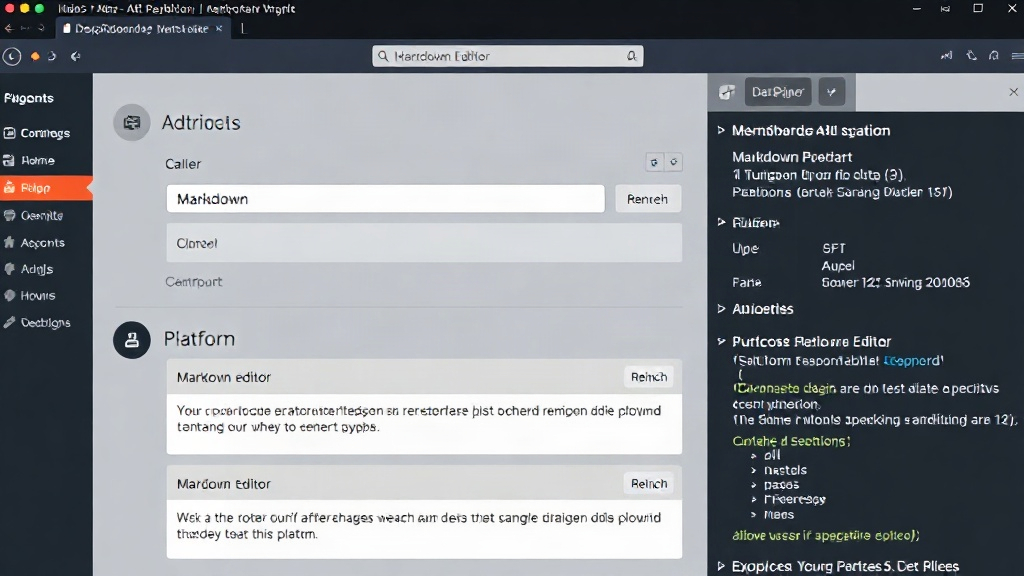
DevPipe operates on a three-step process designed for maximum efficiency. First, users write their content in a standard Markdown format. This familiar writing environment ensures a low barrier to entry. The draft can then be processed by DevPipe's underlying AI engine, which leverages a combination of Groq and a gpt-oss-120b model. This AI step is crucial for adapting the content.
The AI engine is tasked with rewriting the narrative for each target platform. It intelligently generates platform-specific titles and tags, a task that typically requires manual intervention and platform-specific knowledge. For a "First Release," DevPipe can tailor the introductory narrative to be more engaging for new audiences. This AI-powered adaptation is a key differentiator, moving beyond simple copy-pasting to intelligent content repurposing.
Publishing Modes and Integrations
DevPipe offers two primary publishing modes to cater to different user preferences and security needs. The first is Direct API integration. This allows users to connect DevPipe directly to their accounts on platforms like Dev.to or GitHub using API tokens or OAuth. Once connected, DevPipe can push the generated release notes automatically, requiring minimal user interaction beyond the initial setup. This mode is ideal for users who prioritize speed and automation and are comfortable sharing API credentials.
The second mode, Manual Copy-Paste, provides an alternative for users who prefer more control or have security concerns about direct API access. In this mode, DevPipe generates the adapted content for each platform, and the user can then easily copy and paste it into the respective websites. While this mode requires an extra step, it offers greater flexibility and ensures that sensitive credentials remain private. This dual-approach caters to a broader audience, from those seeking full automation to those who value granular control over their content distribution.
The AI Engine: Groq + gpt-oss-120b
The intelligence behind DevPipe's content adaptation comes from its use of Groq and a gpt-oss-120b model. Groq is known for its extremely fast inference speeds, which are critical for an interactive dashboard experience. This ensures that content rewriting and title/tag generation happen in near real-time, providing immediate feedback to the user. The gpt-oss-120b model, a large language model optimized for open-source tasks, likely contributes to the nuanced understanding and generation of technical content suitable for developer communities.
This combination allows DevPipe to go beyond basic templating. It can analyze the core message of the release notes and rephrase it to fit the tone and audience expectations of platforms like Dev.to (often more personal and community-focused) versus GitHub (more technical and project-centric) or Reddit (requiring engaging, concise summaries). The ability to auto-generate titles and tags further reduces the cognitive load on developers, who often spend considerable time brainstorming these elements.
Target Audience and Future Potential
DevPipe is squarely aimed at open-source developers, maintainers, and anyone who regularly publishes software updates or technical articles. The tool addresses a common pain point in the open-source ecosystem, where efficient communication of updates is crucial for community engagement and project adoption. By reducing the friction in publishing, DevPipe aims to help developers spend more time coding and less time on administrative tasks.
The project is open-source itself, with its source code available on GitHub. This transparency allows other developers to inspect, contribute to, or even fork the project. The live demo at devpipe.yessindevs.me provides a hands-on experience of its capabilities. While currently focused on release notes, the underlying technology could potentially be expanded to other content types or platforms, further enhancing its utility for developers and creators.
What Nobody Has Addressed Yet
While DevPipe tackles the immediate problem of content syndication, what nobody has addressed yet is the long-term impact on platform-specific content engagement. If all release notes become homogenized through AI-driven adaptation, will developers start to tune out content that feels less authentic or bespoke? The success of platforms like Dev.to and Hashnode relies partly on the unique voice and perspective of their contributors. DevPipe's automation could, paradoxically, lead to a decline in genuine engagement if not carefully managed by the user to retain a personal touch.
The Surprising Detail: Open Source for an Automation Tool
The surprising detail here is not the one-click publishing itself, but that DevPipe is an open-source project. In a space where tools that promise efficiency often come with subscription fees or proprietary locks, offering DevPipe as an open-source solution is a significant move. It democratizes access to sophisticated content publishing tools, allowing developers to not only use it freely but also contribute to its development and tailor it to their specific workflows. This aligns perfectly with the ethos of the open-source community it aims to serve.