The Invisible Machine Behind Your Deployments
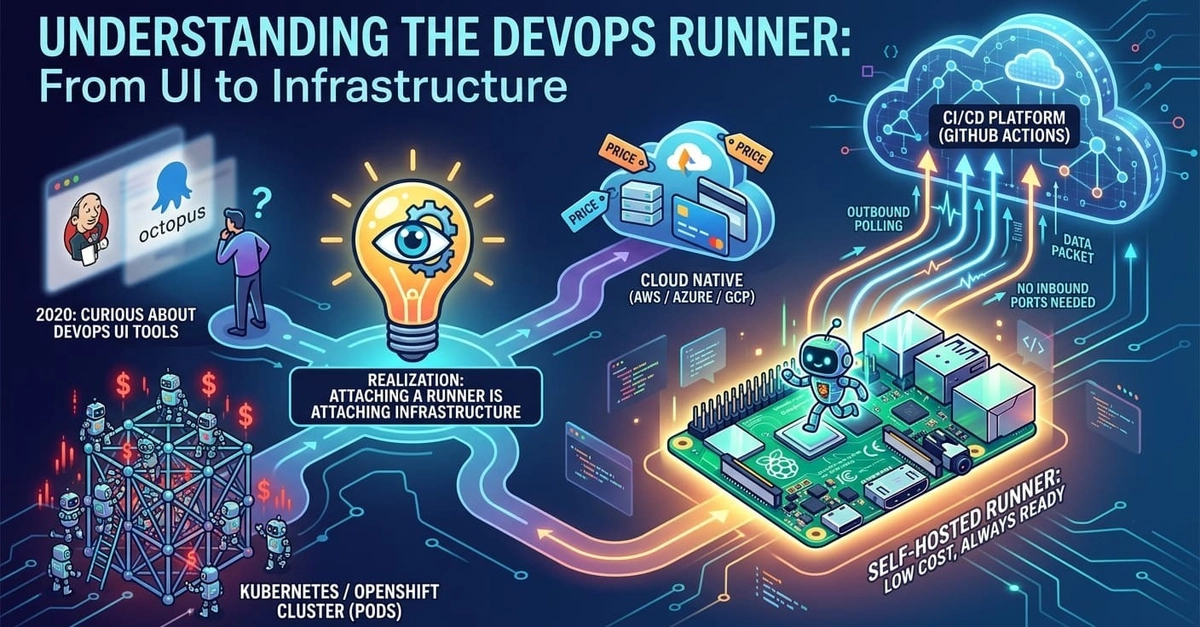
Many developers, fresh into their DevOps journey, encounter tools like Jenkins or Octopus Deploy and assume they are the deployment engine itself. They expect to point these tools at their code and have deployments magically happen. This perception, however, dissolves when confronted with the reality of production environments. The truth is, these tools are merely the user-facing interfaces. The actual work—the compilation, testing, and pushing of code—happens on a physical or virtual machine, a 'runner,' which someone is paying for.
The term "attaching a runner" might sound innocuous, even technical jargon for a simple setup. But for teams that haven't deeply considered their infrastructure's cost implications, it signals a hidden expense. When a senior engineer expresses stress about "attaching a runner," it means they are grappling with the tangible costs of the infrastructure provisioned to execute these deployments. This isn't about the software license for Octopus Deploy or the CI/CD configuration in Jenkins; it's about the underlying compute, storage, and networking resources consumed by the machines that make the deployment possible. For many, this realization dawns not through documentation, but through budget overruns and the urgent need to optimize resource allocation.
Understanding the Runner's Role
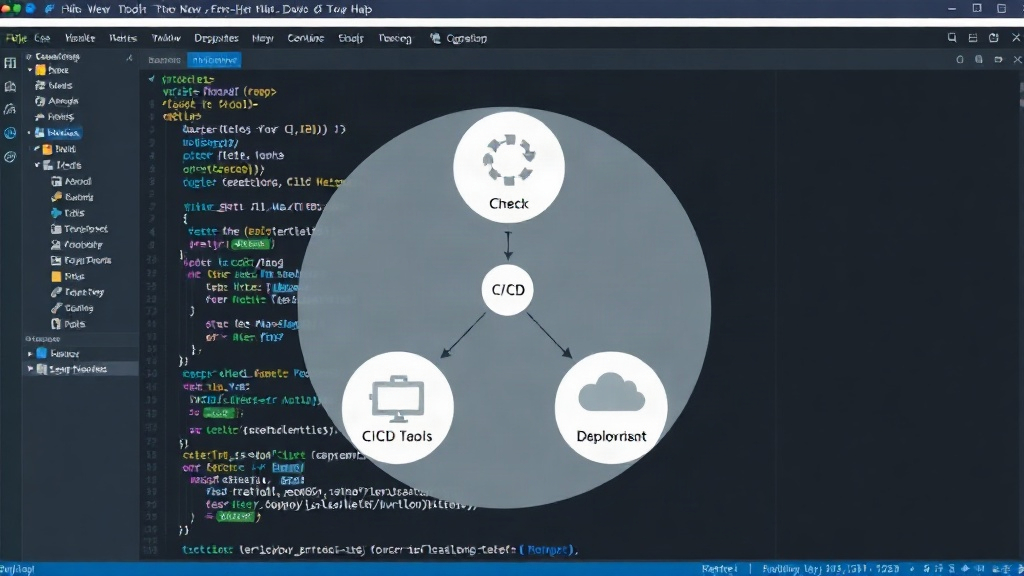
At its core, a runner is an agent or a worker that executes jobs defined in a CI/CD pipeline. When you push code to a repository, your CI/CD system (like GitLab CI, GitHub Actions, Jenkins, or Azure DevOps) orchestrates a series of tasks. These tasks are then dispatched to available runners. A runner can be a virtual machine in the cloud, a container, a physical server on-premises, or even a developer's local machine. The runner fetches the job, executes the commands specified in the pipeline configuration (e.g., `npm install`, `mvn package`, `docker build`), and reports the results back to the CI/CD system.
The critical point is that these runners consume resources. Cloud-based runners, for instance, incur costs for CPU, RAM, disk I/O, and network traffic. Even self-hosted runners have associated costs: hardware procurement, maintenance, power, cooling, and IT staff time. The complexity arises because the cost isn't always directly visible to the developer writing the code or the CI/CD pipeline configuration. It's often managed by a separate infrastructure or operations team, leading to a disconnect.
The Cost of Invisibility
When teams don't fully grasp the concept of runners and their associated costs, several problems emerge. First, inefficient pipeline configurations can lead to excessive resource consumption. A pipeline that spins up a large, powerful VM for a simple script, or leaves runners running idle for extended periods, is essentially burning money. Second, a lack of visibility into runner utilization means teams might over-provision infrastructure, assuming more is always better, rather than optimizing for current needs.
Consider a scenario where a team has 50 developers. Each developer might trigger builds and deployments multiple times a day. If each of these actions requires a dedicated, albeit temporary, compute instance, the cumulative cost can be substantial. Without proper runner management, these instances might be oversized, run longer than necessary, or not be properly shut down, leading to significant, unplanned expenditure. This is the stress the senior engineer faced: the realization that their deployment process, which they had perhaps taken for granted as a software function, was actively draining the company's budget through its underlying infrastructure needs.
Optimizing Runner Usage
The solution lies in treating runners not just as execution environments but as managed resources with associated costs. This involves several key practices:
- Right-sizing Runners: Match the runner's specifications (CPU, RAM) to the actual requirements of the jobs it will execute. A microservice build doesn't need the same resources as a large-scale data processing job.
- Efficient Scaling: Implement auto-scaling mechanisms that provision runners only when needed and de-provision them when idle. This is crucial for cloud-based runners.
- Job Scheduling and Prioritization: Optimize the order and timing of jobs to make the best use of available runner capacity. Batching non-critical jobs during off-peak hours can save costs.
- Runner Types: Evaluate whether shared runners, dedicated runners, or ephemeral (container-based) runners are most cost-effective for different types of workloads.
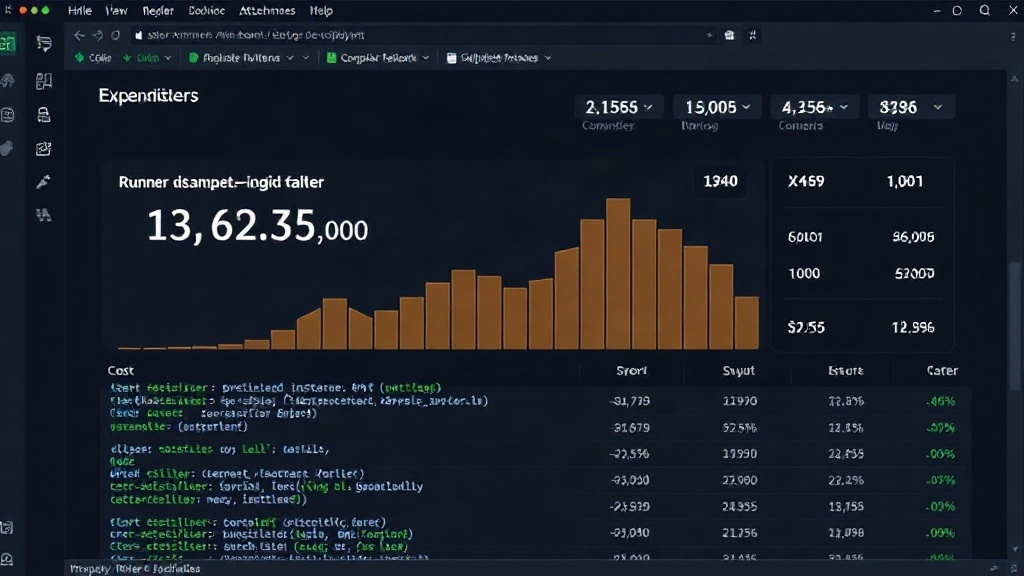
- Monitoring and Alerting: Implement robust monitoring for runner utilization, uptime, and cost. Set up alerts for abnormal consumption patterns.
- Developer Education: Ensure developers understand that their deployment configurations have direct infrastructure cost implications. This fosters a culture of cost-awareness.
For teams using platforms like GitLab CI, GitHub Actions, or Azure DevOps, understanding the nuances of their respective runner models is paramount. GitLab offers shared runners, group runners, and specific runners, each with different cost and management implications. GitHub Actions provides hosted runners that are billed per minute, and self-hosted runners that leverage your own infrastructure. Azure DevOps also offers Microsoft-hosted agents and self-hosted agents.
The Unanswered Question: Who Owns the Cost?
What remains a persistent challenge is the clear delineation of responsibility for runner costs. In many organizations, the CI/CD tooling is managed by DevOps or Engineering, while cloud infrastructure and billing are handled by a separate FinOps or IT team. This organizational split can obscure the direct link between a developer's actions and the resulting infrastructure expenditure. Without a unified view and clear accountability, optimizing runner costs becomes a game of passed-around blame rather than a collaborative effort. The question is not *if* runners cost money, but *who* should be empowered and incentivized to manage that cost effectively across the development lifecycle.
Ultimately,