
The Core Loop: Building a Foundation
Developing a tool-calling agent involves creating a system that can understand a user's intent, select the appropriate tool (often an API), execute it, and then process the results. The initial approach should focus on a minimal, functional loop before introducing complex agent frameworks. This means establishing a clear sequence: receive input, determine the tool, call the tool, and handle the output.
The key to a stable agent is a robust core loop. This isn't just about stringing together function calls; it's about meticulous validation at each step. When your agent needs to interact with an external API, treating that API call as a black box is a recipe for disaster. Instead, think of it like a critical negotiation: you send a request, and you expect a specific, valid response. Anything less requires careful handling.
Consider the process of fetching weather data. Your agent might receive a request like "What's the weather in London tomorrow?". The agent needs to translate this into a structured API call, perhaps to a service like OpenWeatherMap. This involves identifying the correct endpoint, formatting parameters (like `city=London` and `date=tomorrow`), and making the HTTP request. The immediate challenge isn't the LLM's ability to understand the request, but the reliability of the API interaction itself.
This initial phase should prioritize real API calls, not mock ones. Mocking can hide subtle integration issues that only surface when interacting with live services. By using real APIs from the start, you force yourself to confront network latency, authentication errors, rate limiting, and unexpected response formats early on. This might feel slower initially, but it builds a more resilient system in the long run.
The output from these tool calls needs to be compact and easily digestible. Overly verbose API responses can overwhelm the agent's subsequent processing steps or the LLM's context window. This means implementing logic to parse, filter, and summarize the API results into a concise format. For example, if an API returns a full JSON object with dozens of fields, your agent might only need to extract the temperature, precipitation probability, and general conditions.
Validation and Traceability: The Debugging Backbone
Debugging a tool-calling agent is fundamentally about understanding where the system deviates from expected behavior. This requires two critical components: rigorous validation and clear trace evidence.
Validation isn't a single step; it's a continuous process. It starts with validating the user's input: does it make sense? Does it contain the necessary information for a tool call? Then, it moves to validating the parameters generated for the tool call: are they in the correct format? Do they meet the API's requirements? Finally, it involves validating the tool's response: is it structured as expected? Does it contain the data the agent needs? Each validation step acts as a gatekeeper, preventing corrupted data or logic errors from propagating.
Think of validation like a series of security checkpoints for your data. At the first checkpoint, you ensure the request is legitimate. At the second, you verify the travel documents (parameters). At the third, you inspect the baggage (API response) for anything out of the ordinary. If any checkpoint fails, the process stops, and an error is logged, pinpointing the failure point.
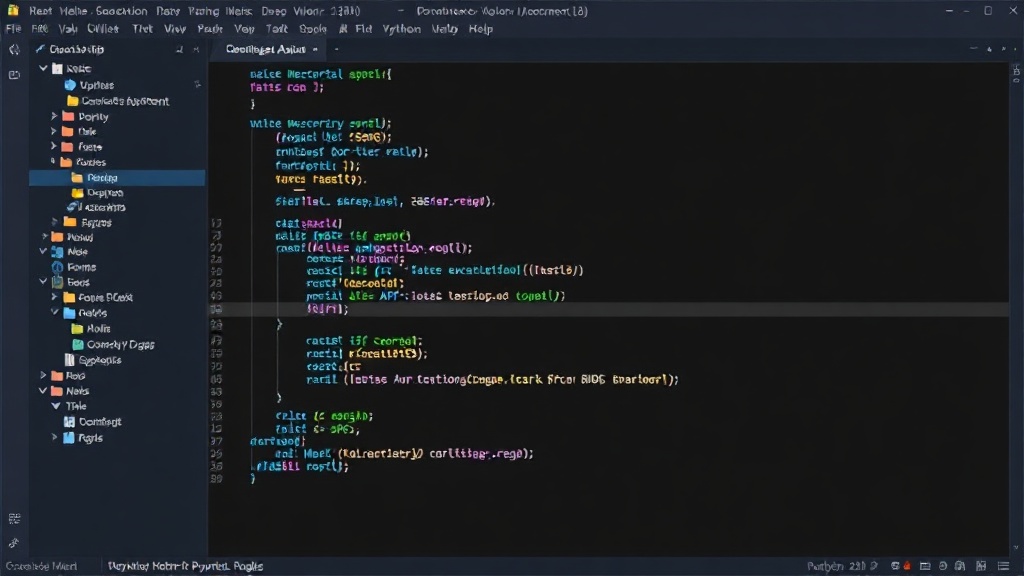
Trace evidence is equally crucial. Every decision, every API call, every validation outcome should be logged. This isn't just about printing to the console; it's about creating a structured log that captures the agent's execution flow. This trace should include:
- The initial user query.
- The agent's interpretation of the query and the chosen tool.
- The parameters constructed for the tool call.
- The API endpoint and method used.
- The raw response received from the API.
- The result of any validation checks on the response.
- The final processed output or the error encountered.
This detailed logging transforms debugging from a frustrating guessing game into a methodical investigation. When an agent fails, you can rewind the trace, examine each step, and see precisely where the logic broke down. Was it a malformed API request? An unexpected API response? A failure in data parsing? The trace provides the answers.
Iterative Development and Framework Integration
Once the core loop with real API calls, validation, and trace evidence is stable, you can begin integrating it into a more sophisticated agent framework, such as LangChain or LlamaIndex. These frameworks provide abstractions for managing conversational state, tool selection, and prompt engineering, but they can also introduce new layers of complexity and potential failure points.
The mistake many developers make is starting with a complex framework. This is akin to trying to build a skyscraper on an unproven foundation. By building and debugging the core loop first, you isolate variables. You ensure that the fundamental interaction between your Python code and external tools is sound before layering on the complexities of agent orchestration.
When integrating a framework, continue to rely on your established validation and tracing mechanisms. The framework might handle some aspects of error management, but it won't replace the need for specific validation of your tool integrations. You'll need to adapt your tracing to include the framework's internal states and decisions, creating a comprehensive log that spans both your custom logic and the framework's operations.
The process is iterative. You build a small piece, test it thoroughly, debug it, and then add the next piece. For tool-calling agents, this means starting with a single, well-defined tool, ensuring its integration is flawless, and then gradually adding more tools, each time repeating the cycle of build, test, and debug. This methodical approach prevents the build-up of unmanageable complexity and ensures that each component of the agent functions as intended.
The benefit of this approach is a system that is not only functional but also maintainable and debuggable. When a new tool is added or an existing API changes, you have a clear process for integration and a robust debugging strategy to fall back on. This is essential for building production-ready AI applications that rely on external data and services.