The Shifting Landscape of AI Engineering
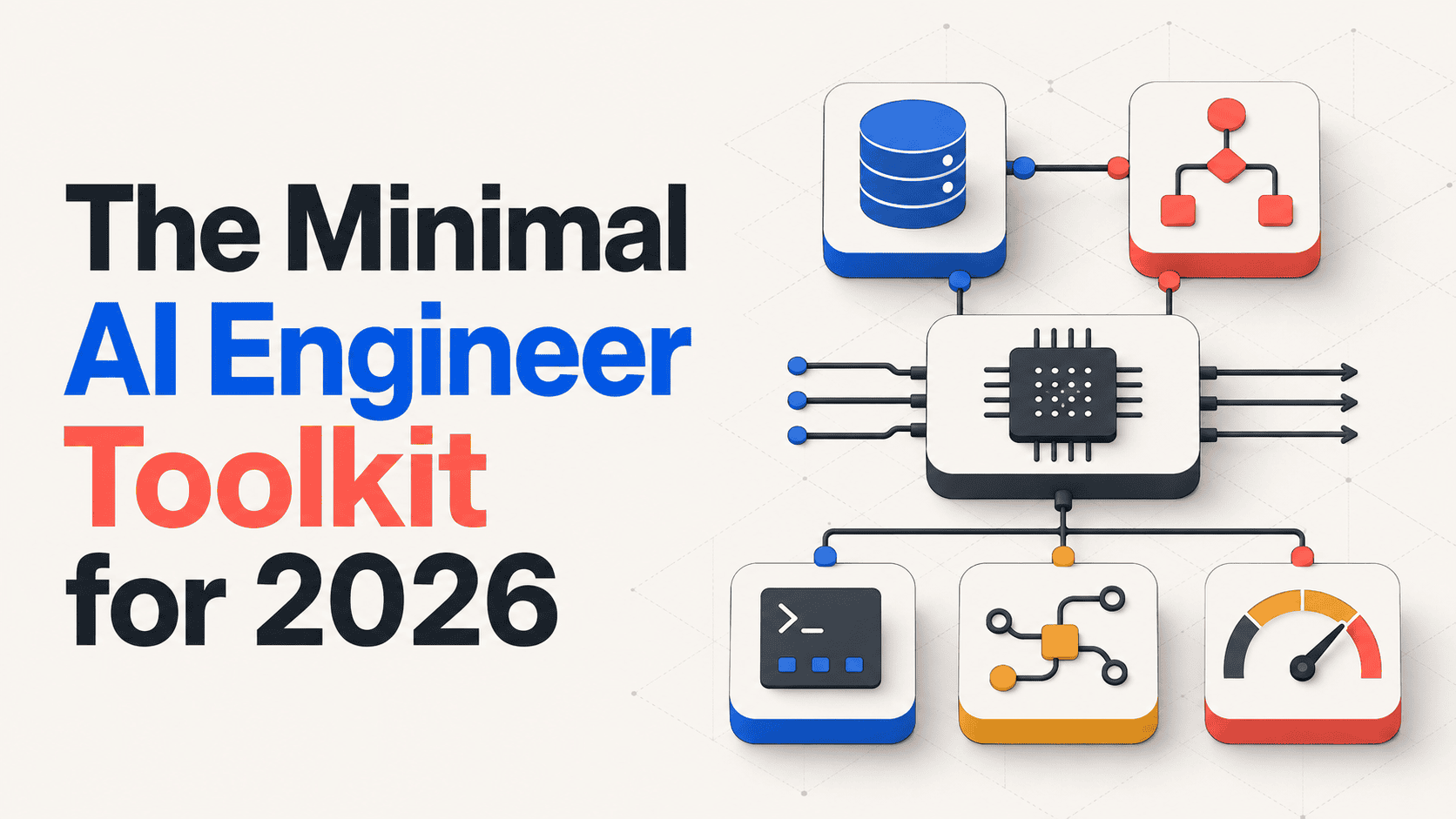
The AI engineering landscape is rapidly evolving. By 2026, the focus shifts from mere model development to the robust deployment and management of production-grade autonomous systems. This necessitates a toolkit that extends far beyond traditional deep learning libraries. AI engineers must now master platforms that handle the entire lifecycle, from data ingestion and management to continuous integration, deployment, and sophisticated simulation environments. The minimal toolkit for 2026 is less about novel algorithms and more about the infrastructure and operational discipline required to make AI reliable and scalable in real-world applications.1. Data Management and Feature Stores
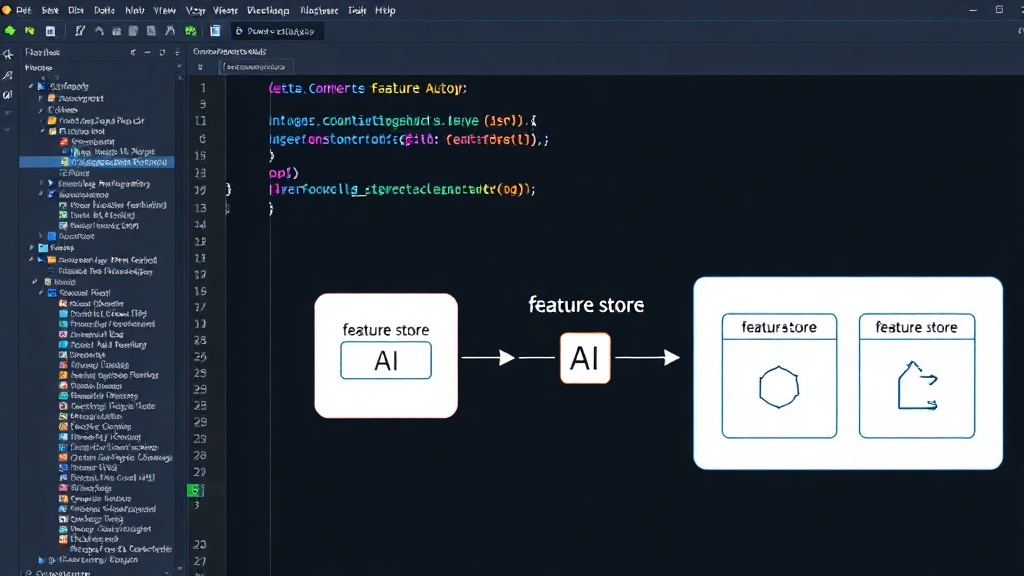
Data remains the bedrock of AI. By 2026, static datasets are insufficient. Engineers need dynamic, scalable solutions for data ingestion, versioning, and governance. Central to this is the feature store. Think of a feature store not just as a database, but as a centralized, versioned repository of curated features for model training and serving. This ensures consistency between training and inference, mitigating drift and enabling faster iteration. Platforms like Feast, Tecton, or Databricks Feature Store provide this capability, allowing engineers to define, store, and serve features reliably. The ability to track data lineage and ensure data quality at scale becomes paramount.