The Problem: Lost Sales During Peak Traffic
A high-volume infoproduct checkout, built with a micro-frontend architecture, was failing to convert customers during periods of high traffic. As influencer campaigns drove surges in visitors, the payment funnel would break. The symptom was clear: sessions died at the point of payment. The immediate aftermath for the business was a visible drop in conversion rates displayed in the backoffice, leading to internal discussions about potential causes like Nuxt.js performance issues or general JavaScript execution timeouts. The core problem was that sales were being lost precisely when the business was investing in acquiring them.
This wasn't a subtle degradation; it was a hard stop. When traffic spiked, the system couldn't handle the load at the critical payment stage. The user experience suffered, and crucially, revenue was left on the table. The team suspected performance bottlenecks, but the exact point of failure and its root cause were initially unclear, leading to finger-pointing between different parts of the tech stack.
Diagnosis: Pinpointing the Timeout Bottleneck
To address the issue, the team adopted a structured approach, moving from symptom to cause. The first step involved identifying the specific failure points. While initial hypotheses might have pointed to broader framework issues or general JavaScript execution limits, the key insight came from leveraging observability tools. Sentry was deployed to monitor the entire payment journey, specifically capturing errors that occurred during the checkout process. Datadog was used to track performance metrics across the system. This combination allowed the team to move beyond speculation and gather concrete data.
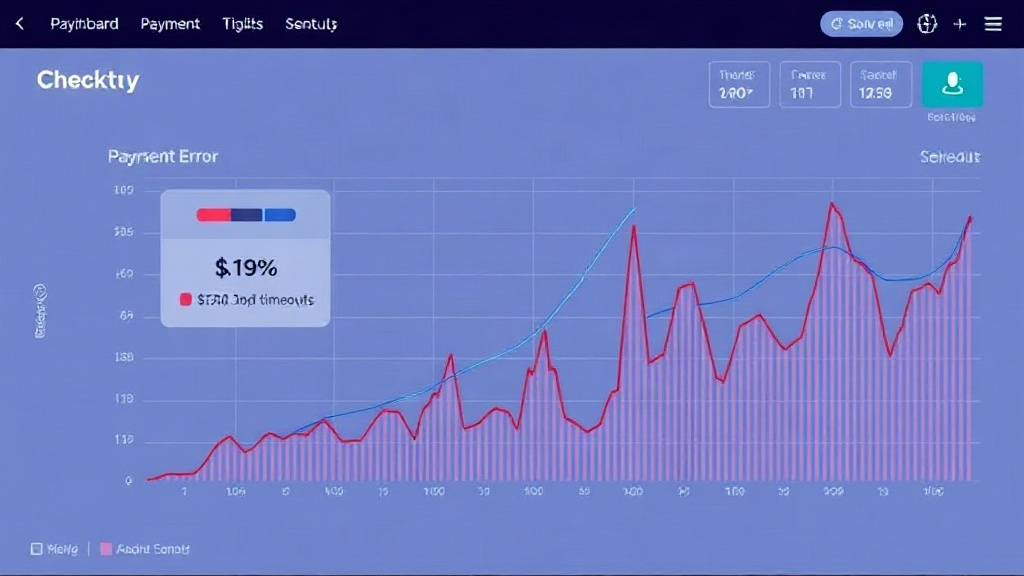
The breakthrough came when Sentry flagged a significant number of JavaScript payment execution timeouts. These weren't intermittent glitches; they were systematic failures occurring during peak load. The team realized that the problem wasn't necessarily a fundamental flaw in the micro-frontend architecture itself, but rather in the timely execution of the JavaScript responsible for processing payments. The session was dying because the payment request was taking too long to complete, exceeding predefined timeout limits. This realization was a critical pivot, shifting the focus from broad performance tuning to a specific, addressable technical debt.
The Solution: Optimizing Payment Execution and Infrastructure
With the root cause identified as payment execution timeouts, the team implemented a multi-pronged strategy. This wasn't just about tweaking code; it involved a holistic look at the system's behavior under load. The primary focus was on optimizing the JavaScript code responsible for payment processing to reduce its execution time. This could involve refactoring inefficient algorithms, optimizing data structures, or reducing unnecessary computations. Simultaneously, the team worked on improving the infrastructure supporting the payment gateway. This might include ensuring adequate server resources, optimizing network latency between services, and potentially implementing caching strategies where appropriate.
A key aspect of the solution was aligning technical efforts with product objectives. The team's work was directly tied to a product OKR (Objective and Key Result) focused on improving conversion rates. This ensured that development efforts were prioritized and that the impact of their work could be clearly measured against business goals. The successful delivery of the payment JavaScript within the acceptable timeframe, as evidenced by its appearance in Sentry logs without subsequent timeouts, was a direct indicator of success. This systematic approach, combining deep technical diagnosis with clear business alignment, was instrumental in achieving the desired outcome.
Measurement and Results: A 10% Conversion Boost
The impact of these changes was significant and directly attributable to the targeted interventions. The crucial metric was the +10% increase in conversion rate observed in the client's backoffice system over the course of one month. This figure was not an isolated observation; it was cross-referenced with data from Sentry and Datadog, confirming that the reduction in payment timeouts correlated directly with the uplift in sales. The timing of the conversion peak also aligned with the periods when influencer campaigns were active, demonstrating that the checkout process was now robust enough to handle the increased traffic generated by these marketing efforts.
This success story highlights the power of a data-driven approach to problem-solving. By moving beyond assumptions and using observability tools to diagnose specific technical failures, the team was able to implement precise solutions. The result was not just a technical fix, but a tangible business outcome: a 10% increase in conversion, directly impacting revenue. This case also served as a significant factor in the author's promotion to Staff II, underscoring the value of solving complex, business-critical technical challenges.
Key Takeaways for Copying This Success
The strategy employed can be distilled into actionable steps for other teams facing similar challenges:
- Identify the Symptom: Clearly define the observable problem (e.g., dropping conversion rates during peak traffic).
- Diagnose the Cause: Utilize observability tools like Sentry and Datadog to pinpoint the exact failure points (e.g., payment execution timeouts). Don't guess; measure.
- Implement Targeted Solutions: Optimize the specific code or infrastructure components identified as bottlenecks. Ensure timely execution of critical processes.
- Align with Business Goals: Tie technical initiatives directly to product OKRs or clear business metrics (like conversion rate).
- Measure and Validate: Cross-reference technical monitoring data with business backoffice metrics to confirm impact.
This methodical approach, from symptom identification through to validated results, is a repeatable pattern for improving critical user journeys and driving business growth.