
The Shifting Landscape of Online Authority
For years, the SEO world has operated on a relatively straightforward principle: more backlinks generally meant higher search engine rankings. The volume and perceived authority of referring domains were paramount. However, the rise of AI-driven search, exemplified by AI Overviews and sophisticated large language models, is fundamentally reshaping this paradigm. Search Engine Land's latest guidance highlights a critical shift away from prioritizing raw backlink counts towards a more nuanced, entity-oriented evaluation of digital authority. This transformation means that businesses aiming to build and maintain visibility must adapt their link-building strategies to align with how AI systems now interpret credibility.
The core of this change lies in how AI search engines process information. Unlike traditional search algorithms that heavily relied on explicit links as votes of confidence, AI models can now synthesize information from a wider array of signals. This includes not only direct links but also mentions of a brand or entity that do not result in a hyperlink. These unlinked brand mentions, when coupled with high-quality content and diverse citations across credible sources, contribute to establishing a robust online presence. The implications are significant: a website with a high volume of low-quality backlinks may lose ground to a competitor with fewer, but more authoritative and contextually relevant, mentions and links.
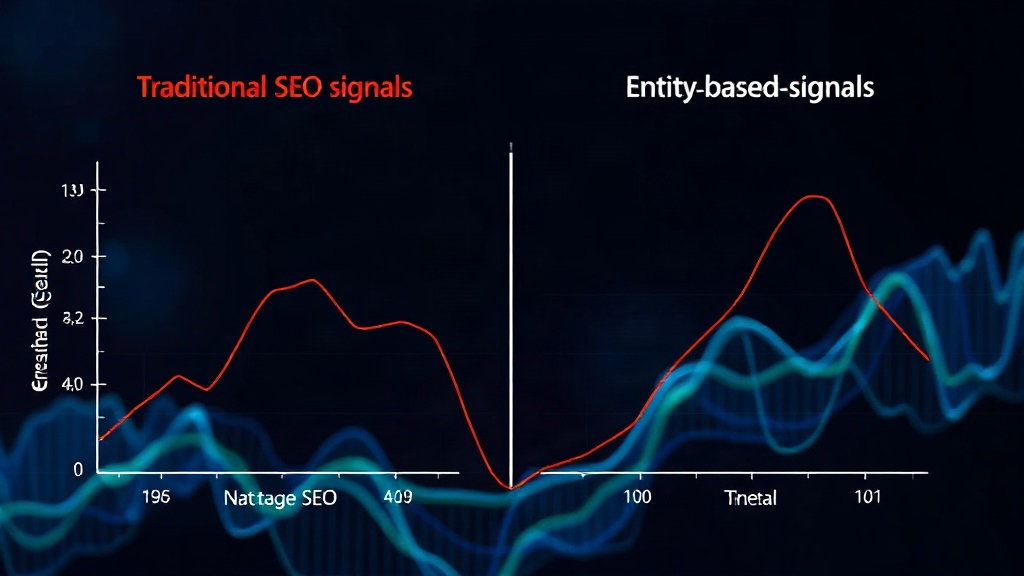
Beyond the Link: New Signals for AI Authority
The era of simply chasing quantity in link building is drawing to a close. AI search prioritizes a more holistic view of a brand's or entity's digital footprint. This involves several key components:
- Editorial Links: These are links earned through genuine editorial consideration, often found in reputable publications or expert reviews. AI systems recognize these as strong indicators of authority due to the inherent vetting process of the publisher.
- Unlinked Brand Mentions: When a website or publication discusses a brand or product without linking to it, AI can still recognize this as a signal of relevance and awareness. This highlights the importance of brand visibility and reputation management, even without a direct click-through.
- Content Quality: The depth, accuracy, and originality of content are becoming increasingly crucial. AI models can assess content not just for keywords but for its ability to answer user queries comprehensively and authoritatively, making high-quality content a foundational element of authority.
- Citations and Diversity: The presence of a brand or entity across a diverse range of credible sources, including academic papers, industry reports, and reputable news outlets, signals broad recognition and influence. AI systems are designed to identify patterns and consistency across multiple authoritative platforms.
This multifaceted approach means that a strong link-building strategy must now integrate public relations, content marketing, and brand reputation management. The goal is not just to acquire links but to cultivate a pervasive and respected presence across the web that AI can easily identify and validate.
What This Means for Businesses and Marketers
The shift to AI-driven evaluation of authority presents both challenges and opportunities for businesses. Traditional link-building tactics, such as guest posting solely for the link or participating in link farms, will likely yield diminishing returns. Instead, marketers must focus on strategies that build genuine credibility and visibility:
- Focus on Value Creation: Produce content that is genuinely useful, informative, and authoritative. This naturally attracts editorial links and mentions from other reputable sources.
- Embrace PR and Outreach: Proactively engage with journalists, bloggers, and industry influencers to secure coverage and mentions. This includes nurturing relationships that can lead to both linked and unlinked mentions.
- Monitor Brand Mentions: Utilize tools to track mentions of your brand across the web, even those without links. Engage with these mentions to convert them into opportunities or to understand your brand's perception.
- Diversify Your Digital Footprint: Aim for a presence across various platforms and types of content, including industry directories, relevant forums, and expert Q&A sites, where appropriate and valuable.
This evolution demands a more integrated approach to digital marketing, where SEO is not a siloed activity but a component of a broader strategy focused on building a strong, credible brand presence. The future of link building is less about the number of strings attached and more about the strength and breadth of the web woven around your entity.
The Unanswered Question: Measuring Unlinked Mentions
While the importance of unlinked brand mentions is clear, a significant challenge remains for marketers: how to effectively measure and attribute value to these mentions. Traditional analytics tools are primarily designed to track clicks and conversions originating from hyperlinks. Developing robust methodologies and tools to quantify the SEO impact of unlinked mentions, and to demonstrate their ROI to stakeholders, will be critical for businesses navigating this new landscape. Without clear measurement, optimizing for these signals becomes an educated guess rather than a data-driven strategy.