The Illusion of Full Automation
The term 'AI-run blog' conjures images of fully autonomous content creation and publishing systems. However, a closer examination of such systems reveals a significant gap between the perception and the reality. While core publishing tasks can be automated, the surrounding infrastructure, content refinement, and strategic decisions still demand substantial human intervention. This isn't a slight against automation; it's a clarification of where the lines are drawn and what human input remains indispensable.
Consider a system designed for unattended publishing. A Windows Task Scheduler might initiate the process, waking a machine to run scripts. These scripts can then post content to platforms like Blogger via APIs, and even cross-post to other sites like dev.to, correctly handling image uploads and canonical URLs. On-demand requests for blog metrics – post counts, view data from dev.to, Google Search Console impressions, and GA4 visitor numbers – can also be scripted. Technically, this loop operates without human action once configured. But this operational core is only one piece of the puzzle.
What Truly Operates Autonomously
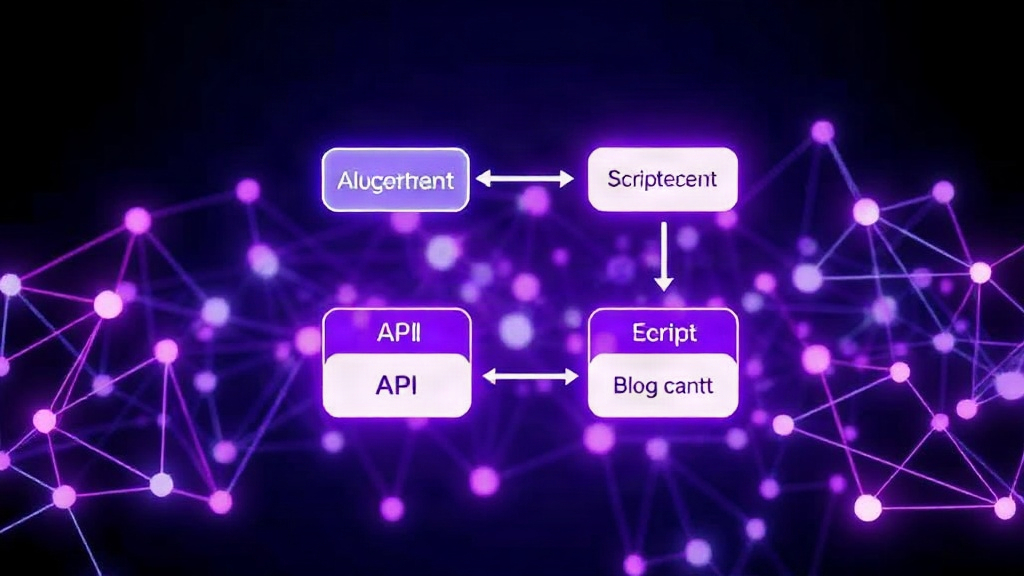
The truly automated components often reside within the technical execution of publishing. A scheduled task, perhaps a PowerShell script on a Windows machine, can be programmed to wake the system, ensure network connectivity, and then trigger a Python script. This script interfaces with blogging platform APIs (like Blogger's) to publish a pre-generated post. It can also handle secondary publishing actions, such as cross-posting to platforms like dev.to, managing image assets, and setting the correct canonical URL to avoid SEO issues. This core functionality, where a script reliably executes a series of commands on a schedule, constitutes genuine automation.
Beyond scheduled publishing, other automated functions might include generating reports on blog performance. This could involve API calls to various analytics platforms – Google Search Console for click and impression data, Google Analytics 4 for visitor numbers, and platform-specific metrics from dev.to for view counts. These data points can be aggregated and presented, providing a snapshot of the blog's reach and engagement without manual data collection. The ability to query and collate this information on demand represents a powerful, albeit limited, form of automation.
The Indispensable Human Element
The automation described above, while impressive, primarily addresses the *mechanics* of publishing. It does not encompass content generation quality, strategic decision-making, or the nuanced tasks that require human judgment. The human behind the 'AI-run' blog is still essential for several critical functions:
Content Strategy and Ideation
AI can generate text, but it struggles with true originality, strategic topic selection, and understanding nuanced audience needs. Deciding *what* to write about, aligning content with business goals, identifying emerging trends, and brainstorming unique angles are inherently human tasks. An AI might suggest topics based on keywords, but a human strategist identifies the *why* and the *how* to make that topic resonate.
Content Refinement and Editing
While AI writing tools can produce drafts, they often lack the sophisticated editing capabilities of a human. This includes:
- Tone and Voice Consistency: Ensuring the writing matches the established brand voice and appeals to the target audience requires human judgment. AI can mimic styles, but maintaining a consistent, authentic voice across numerous posts is challenging for machines.
- Factual Accuracy and Nuance: AI models can hallucinate or present information with subtle inaccuracies. Human fact-checking and the addition of expert nuance are critical, especially for technical or specialized content.
- Readability and Flow: AI-generated text can sometimes be repetitive, clunky, or lack a natural narrative flow. Human editors polish the prose, improve sentence structure, and ensure the content is engaging and easy to understand.
- SEO Optimization Beyond Keywords: While AI can stuff keywords, human SEO professionals understand search intent, semantic relevance, and the creation of content that genuinely answers user queries, which is crucial for long-term search performance.
Visual Asset Creation and Curation
While AI can generate images, selecting the *right* image to complement an article—one that is visually appealing, relevant, and adheres to brand guidelines—often requires human aesthetic judgment. This includes sourcing stock photos, commissioning custom graphics, or ensuring AI-generated images are not uncanny or off-brand. The manual process of uploading, resizing, and optimizing images for web performance also falls to humans.
Platform Management and Troubleshooting
Automated systems are not infallible. They require setup, monitoring, and troubleshooting. This involves:
- Initial Setup: Configuring API keys, setting up schedulers, writing and debugging scripts, and establishing network access all require human expertise.
- Monitoring and Maintenance: Scripts can fail, APIs can change, and platforms can update their interfaces, breaking automated workflows. Humans must monitor these systems for errors and perform necessary updates.
- Manual Interface Interaction: Many platforms, particularly for user-generated content sites or analytics dashboards, have interfaces that are not easily scriptable. Navigating these browser-based interfaces, making manual adjustments, or performing actions that lack API support requires human interaction. For instance, accepting cookies, navigating CAPTCHAs, or using drag-and-drop interface elements are beyond current scripting capabilities for most general-purpose automation.
Community Engagement and Interaction
Blogs thrive on community. Responding to comments, engaging with readers, participating in discussions on social media, and building relationships are deeply human activities. AI can draft responses, but genuine interaction, empathy, and fostering a community require human presence.
The Future: Augmentation, Not Replacement
The practical reality of an 'AI-run' blog is one of augmentation, not complete replacement of human effort. AI tools and automation scripts handle the repetitive, mechanical tasks, freeing up human creators and strategists to focus on higher-value activities. This includes refining content quality, developing long-term strategy, fostering community, and ensuring the blog remains relevant and accurate.
The line between automated and manual tasks is not a static one, but it is currently drawn firmly around areas requiring creativity, critical thinking, nuanced judgment, and direct interaction. For developers building such systems, understanding this distinction is key to setting realistic expectations and designing workflows that effectively blend machine efficiency with human insight. The goal should be to leverage AI to enhance human capabilities, not to pretend that human oversight is no longer necessary.