Developers•Aug 22, 10:55 PM
Ruby 4.0 Promotes Pathname to Core, Enhances Documentation
Ruby's Pathname class is now a core part of the language, offering a unified interface and improved documentation for file system operations.
Share:
Five shifts. Five minutes. No noise.
No spam. Unsubscribe anytime. Powered by Beehiiv.

Tired of wrestling with disparate LLM API formats? A new open-source router unifies access to OpenAI, Anthropic, Google, and DeepSeek.
AI orchestration brings discipline to .NET apps, managing agents, state, and costs to avoid scaling nightmares.
I-Dacs Labs replaces JVM and Go stream processors with Rust for edge devices, achieving massive performance gains.
This week's tech news highlights the growing pains of AI agent autonomy, the critical need for cloud cost management, and evolving security paradigms.
Ruby's Pathname class is now a core part of the language, offering a unified interface and improved documentation for file system operations.

Designing for single-switch users reveals core constraints that can simplify interfaces for everyone.

A two-year-old gem for conditional CSS classes gets a rewrite, separating core logic from Rails.

Building infrastructure before user features is a costly mistake, especially with AI's pace.
Automate phone silencing for meetings and appointments, bypassing manual ringer toggles.

NoSQL key-value or relational SQL? Understand the core differences between DynamoDB and Aurora to pick the best fit for your application's needs.
A deep dive into building a robust Modbus proxy that handles disconnections and stale data, preventing silent failures.
A founder built a projection tool to share roadmaps from Linear without exposing internal workflows.
%22%20%2F%3E%0A%20%20%3C%2Fsvg%3E)
VSArena, a benchmark for embodied AI agents, now features a dedicated Vision-Language Agent track with public code and documentation.
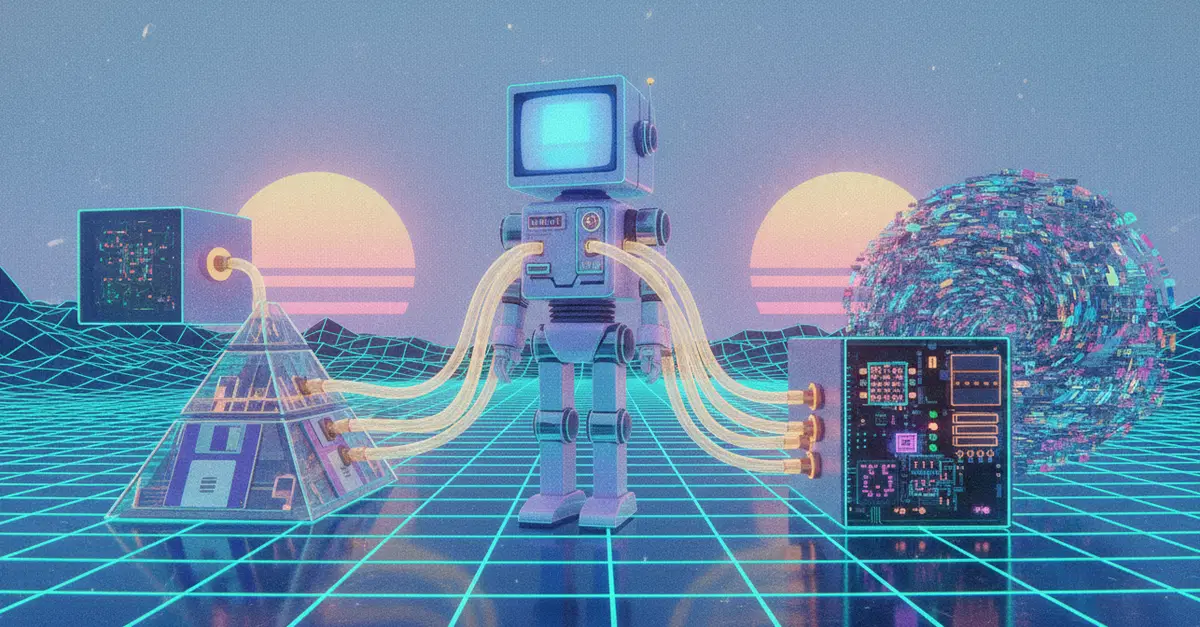
Building complex AI applications requires more than just calling an LLM; Mastra and TypeScript offer a robust framework for multi-agent coordination.