Developers•Aug 16, 02:55 AM
TypeScript Multi-Agent Systems: Orchestrator and Pipeline Patterns
Move beyond single-agent limitations with parallel processing and specialized roles in TypeScript.
Share:

Five shifts. Five minutes. No noise.
No spam. Unsubscribe anytime. Powered by Beehiiv.

Deliver accurate, real-time delivery tracking to thousands of users by treating connections as disposable projections of a durable log.

Building GrahaAPI revealed unexpected engineering hurdles, from ancient test fixtures to disguised rate limits.

Standard JSON loading fails on large files. Python generators offer a memory-efficient alternative for developers.
Move beyond single-agent limitations with parallel processing and specialized roles in TypeScript.
LangGraph's interrupt() is a start, but building robust human approval workflows for AI agents is still a significant engineering challenge.
Veridian Resonance details an engineering approach to GenAI production that emphasizes consistency, scale, and human oversight.
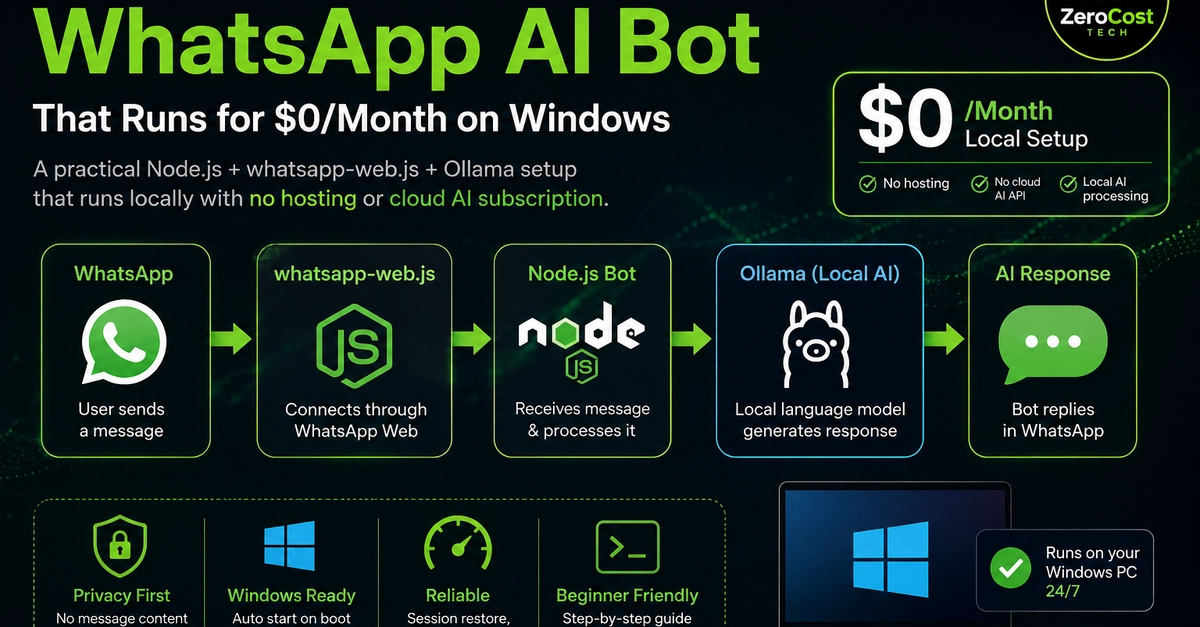
A developer details how to integrate WhatsApp with Node.js and local AI models, eliminating cloud costs.
Shipeasy automates CI failure resolution: red builds automatically file bugs and AI agents fix them.
A simple programming principle, applied rigorously, transforms unmanageable code into elegant, maintainable systems.

An ASMR video generation pipeline unexpectedly failed, prompting the developer to build robust self-healing mechanisms.

Teams upgrading to Next.js 15's `next/image` v4 risk production issues due to AVIF's default status and compatibility gaps.

A comprehensive checklist and workflow for setting up robust API automation, covering business needs, developer specs, and infrastructure.

Standard JWTs can't be revoked. Here's how to build secure, revokable sessions in Express.