AI Models•Aug 9, 02:55 PM
Heritage Site Photo Audit Reveals High Error Rate in "Trusted" Sources
An audit of 14,512 heritage site photos found that commonly used, "trustworthy" sources had the highest image misidentification rates.
Share:
Five shifts. Five minutes. No noise.
No spam. Unsubscribe anytime. Powered by Beehiiv.
New platform streamlines the selection and benchmarking of diverse vision AI models without complex setup.
Metering LLM usage goes beyond a simple token count, with hidden costs and scattered reporting across providers.
A key sample in AWS's Agent EvalKit uses the same LLM for both evaluating and generating responses, raising questions about test validity.
An audit of 14,512 heritage site photos found that commonly used, "trustworthy" sources had the highest image misidentification rates.
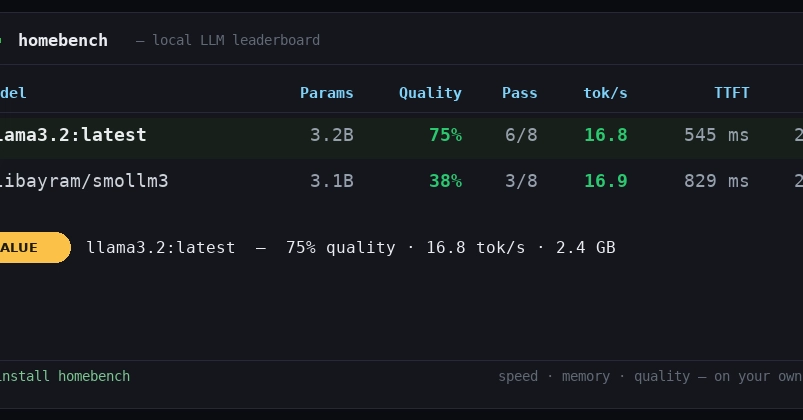
Measuring local LLM performance requires a nuanced approach beyond simple speed tests.
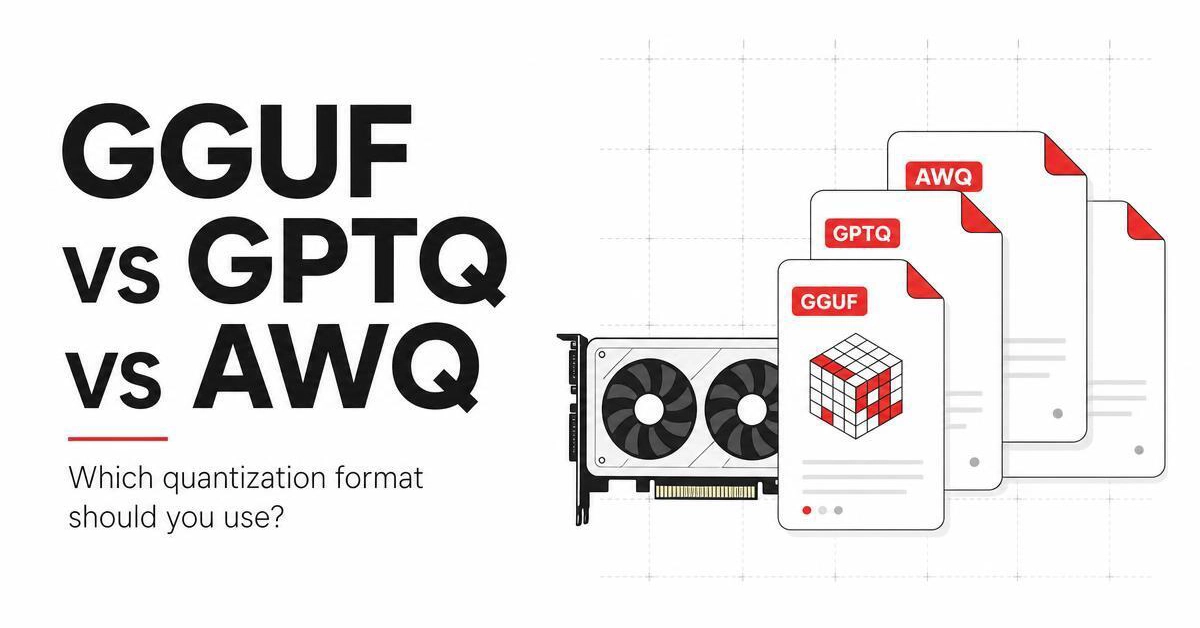
Choosing the right LLM quantization format is key to efficient local inference. Here's how GGUF, GPTQ, and AWQ stack up.

DeepSeek's latest model iteration, Flash V4, achieves superior agent performance through post-training, not architectural changes.
New methods using Hugging Face artifacts can reveal an LLM's true lineage, distinguishing original models from derivatives.
%22%20%2F%3E%0A%20%20%3C%2Fsvg%3E)
A new platform gamifies the art of crafting AI prompts, challenging users to achieve desired outputs with minimal input.
%22%20%2F%3E%0A%20%20%3C%2Fsvg%3E)
Meta's new AI coding agent, Code Llama, aims to compete with leading models from OpenAI and Anthropic, offering advanced code generation and understanding capabilities.
New platform aims to democratize formal verification and theorem proving for AI research and beyond.
Agent loops designed for AI coding agents create perverse incentives, teaching models to satisfy graders, not tasks.

An AI agent played Pokémon Sapphire vision-only, confirming its memory and decision-making capabilities with surprising speed.