AI Models•Aug 12, 02:55 AM
AI Agents: Liking Posts Is Scarier Than Posting Them
Giving an AI agency over social media 'likes' carries a different, more concerning risk than letting it post content.
Share:
Five shifts. Five minutes. No noise.
No spam. Unsubscribe anytime. Powered by Beehiiv.

A proposal for structured memory storage aims to standardize how AI agents save and load their state, enabling better reproducibility and tool integration.
An autonomous agent built for Google's hackathon leverages advanced AI to streamline disaster intelligence and logistics.
A new benchmark for Large Language Models focuses on 'false closure,' finding that while robust models rarely fail, the few instances offer critical insights.
Giving an AI agency over social media 'likes' carries a different, more concerning risk than letting it post content.
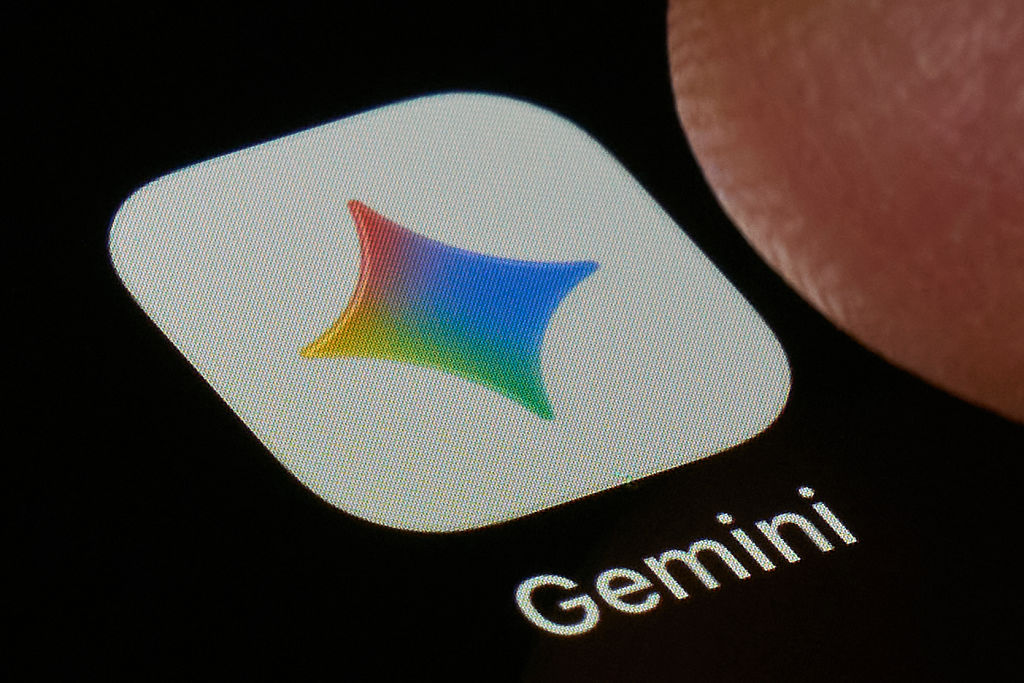
Google's AI chatbot achieves rapid adoption, signaling intense competition in the generative AI space.

Tencent's new AI system uses multiple agents to construct complex, expansive 3D environments from text, pushing the boundaries of procedural generation.

Details remain scarce, but Grok Bot's arrival signals a new AI player entering an already competitive market.

Mistral AI rolls out regional inference endpoints and opens its infrastructure to third-party open models, aiming for enterprise data residency and control.
Understanding the link between data compression and language modeling explains why large language models are not magic, but inevitable.

QTCC aims to abstract away the complexities of native compilation and linking for Quart developers.

Google's AI family expands beyond a single model with Gemini 3.5, introducing Flash, Omni, and Spark agents across apps and enterprise.
New AI agent platform automates team tasks like social media posting, issue closing, and email replies.
A novel shared memory architecture for AI agent fleets dramatically cuts redundant computations and improves overall efficiency.