
AI Models•Aug 18, 06:56 AM
Prompt Engineering is Coders' Top AI Skill
Developers who treat AI like a black box risk sloppy code and slower workflows. Mastering prompts unlocks AI's true potential.
Share:
Five shifts. Five minutes. No noise.
No spam. Unsubscribe anytime. Powered by Beehiiv.
An AI practice tool's characters were stuck in negative moods. The fix wasn't magic phrases, but a structured approach to dialogue.
While helpful for understanding complex terms, ChatGPT's medical advice blurs the line between education and dangerous misdirection.

New analysis reveals the performance characteristics of running AI models on smartphones, highlighting critical bottlenecks and opportunities.
Developers who treat AI like a black box risk sloppy code and slower workflows. Mastering prompts unlocks AI's true potential.
Voice agents treated ASR transcripts as ground truth, missing critical confidence data and leading to avoidable errors. A simple fix is routing low-confidence turns for confirmation.

Standardized performance metrics are increasingly misleading as hardware and software evolve.
A recent incident highlights a critical gap: AI agent permissions don't account for dynamic task modifications mid-execution.
A year-long study of 12,000 healthcare calls reveals that perceived naturalness in TTS demos doesn't translate to patient trust.
AI agents depend on precise tool descriptions. Flawed schemas lead to agent failures, not API bugs.
The developer behind xAgent explains the evolution from single-task agents to a collaborative multi-agent system to achieve true AI automation.
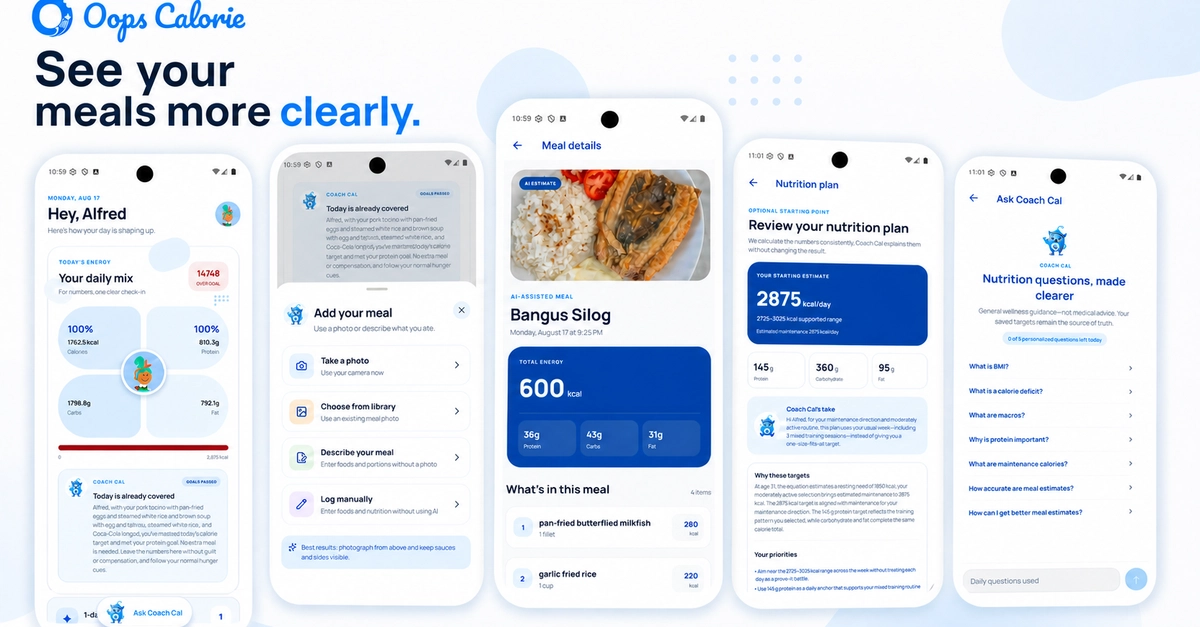
An AI-powered meal tracking app struggles with distinctly Filipino dishes, revealing a common challenge in global AI development.

New research suggests separating retrieval from decision-making is key to preventing chatbot hallucinations in documentation Q&A.

Traditional SEO is insufficient for generative AI search; brands need new signals to be surfaced and cited.