AI Models•Aug 24, 04:55 PM
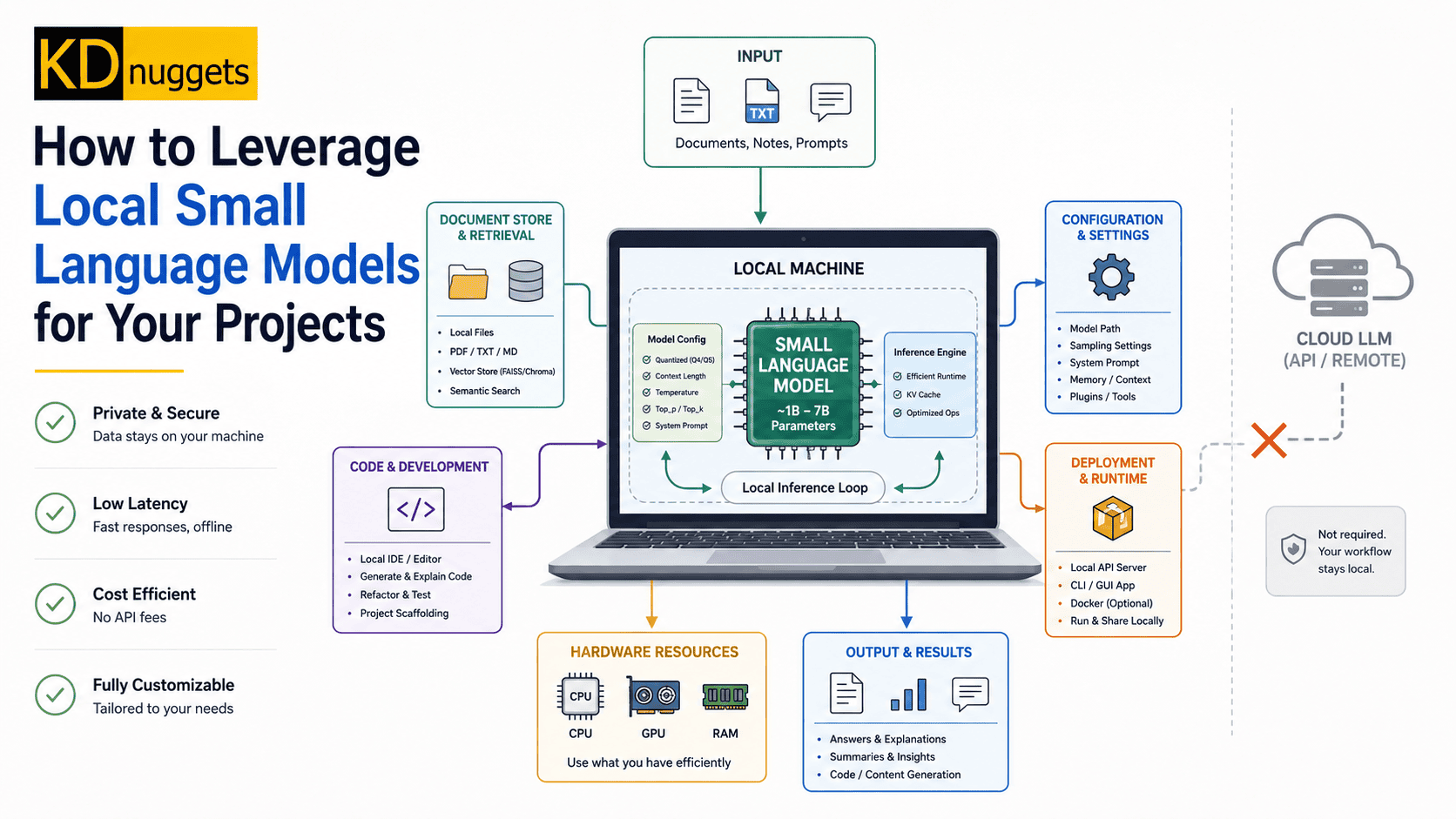
Run LLMs Locally: Faster, Cheaper, Private AI for Your Projects
Small language models offer a powerful alternative to cloud-based giants, enabling enhanced control, speed, and privacy for AI applications.
Share:

Five shifts. Five minutes. No noise.
No spam. Unsubscribe anytime. Powered by Beehiiv.
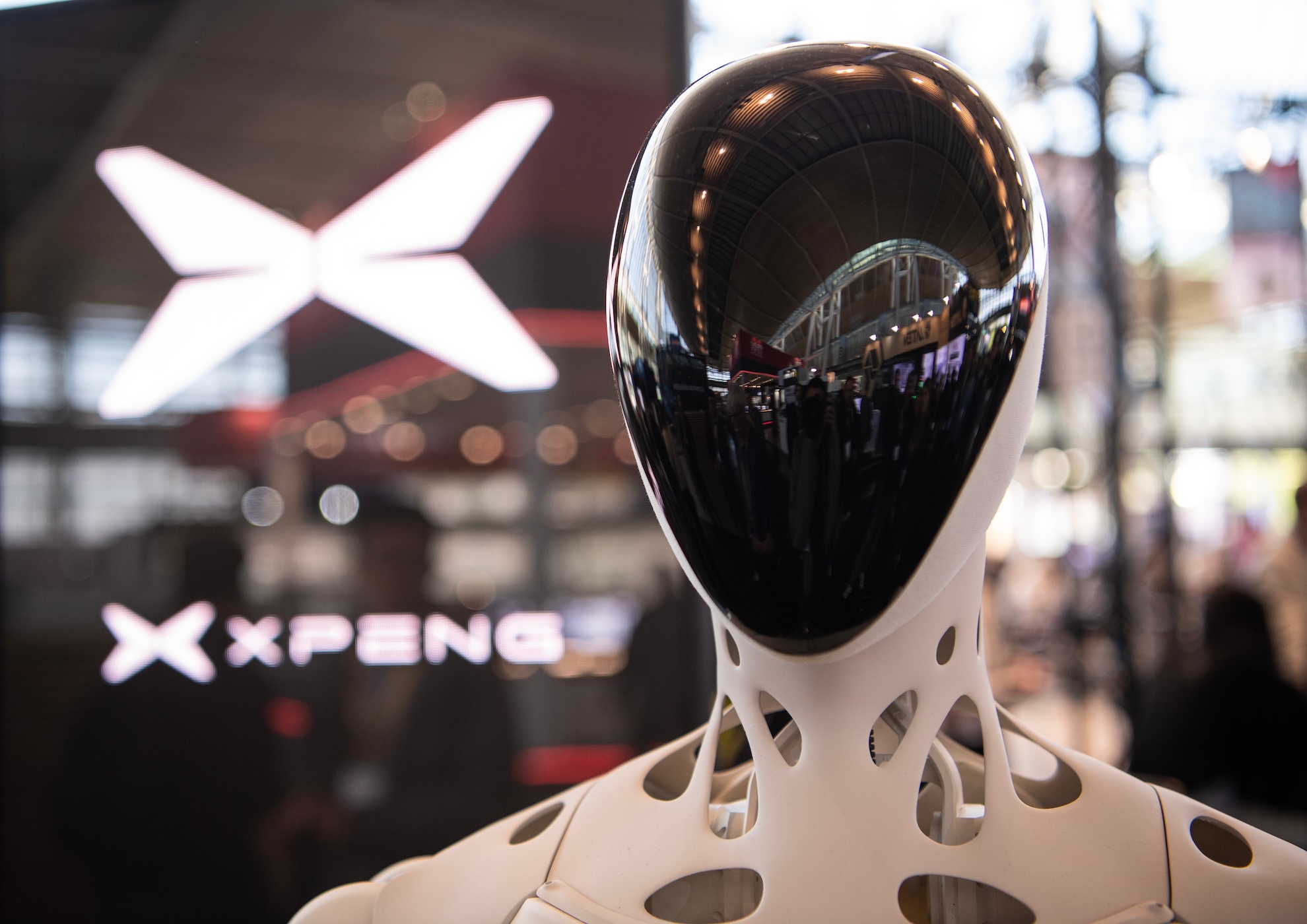
Niantic's AI spinoff, Niantic Spatial, is developing large geospatial models to power real-world AI applications, aiming to map and understand the physical world.
New agent checks if AI-generated business descriptions for investment advisers are fair and accurate, addressing SEC concerns.

Google's AI assistant surpasses a major milestone, signaling a shift in user interaction with AI.
Small language models offer a powerful alternative to cloud-based giants, enabling enhanced control, speed, and privacy for AI applications.
%22%20%2F%3E%0A%20%20%3C%2Fsvg%3E)
Researchers are exploring a novel hybrid architecture combining spiking neural networks and event-driven computation as a potential alternative to fixed Transformer stacks.
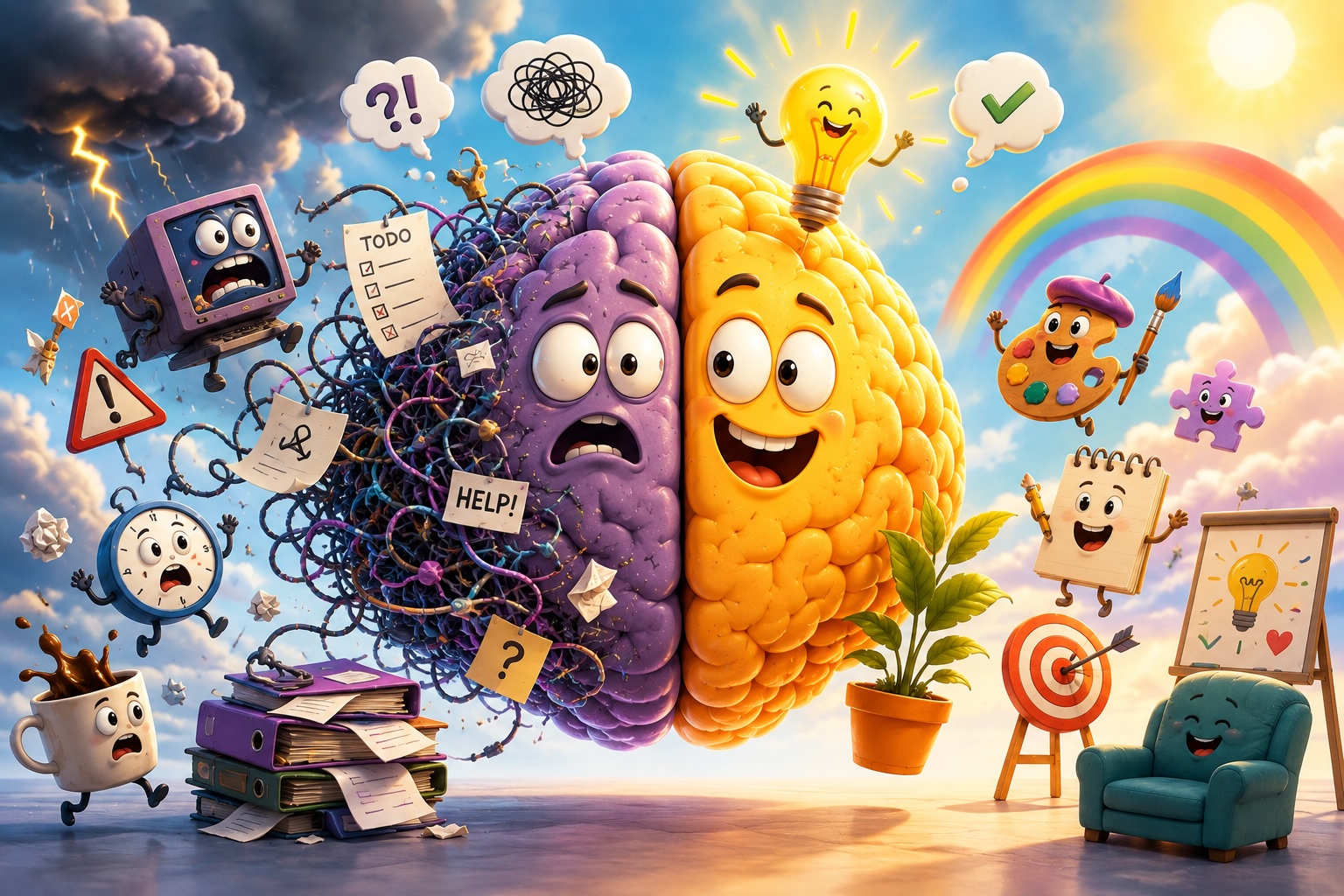
Flattening AI agent inputs into single strings erodes meaning. A new Python runtime enforces typed context to maintain semantic boundaries.
New AI framework proposes a 'civilization scaffold' to boost capabilities without retraining models.
The explosion of tools for AI agents misses the core challenge: teaching them to choose the right action, not just the available one.
Newcomer questions Google's conversational AI accuracy and data privacy compared to other major LLMs.
%22%20%2F%3E%0A%20%20%3C%2Fsvg%3E)
Paul Graham's 2012 advice to learn LLMs from scratch is more relevant than ever for today's aspiring builders.
New research suggests AI agents can retain personality and history across context resets, challenging the notion of ephemeral digital assistants.

Excessive fear and sensationalism surrounding AI risks overshadowing its genuine benefits and hindering responsible development.

Current AI memory is akin to a fact sheet. The future lies in understanding a user's evolving journey and decision patterns.