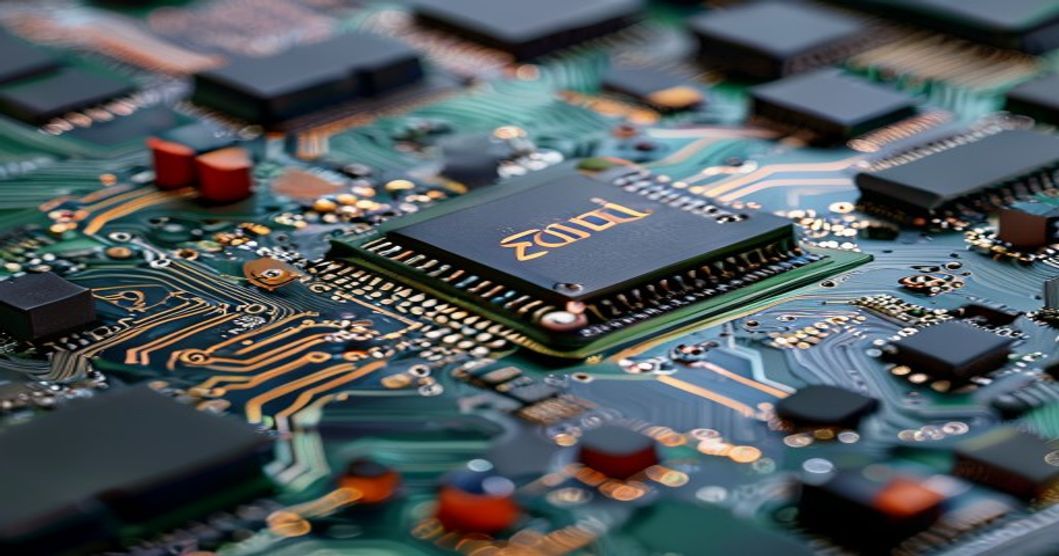
A Half-Century of the Z80
The Zilog Z80, an 8-bit microprocessor that powered a generation of personal computers, arcade games, and embedded systems, is celebrating its 50th anniversary. Launched in July 1976, just a few months after the Apple II and a year before the Commodore PET, the Z80 quickly became a ubiquitous component in the burgeoning microcomputer industry. Its architecture, an enhanced version of the Intel 8080, offered more registers, a more powerful instruction set, and a single 5V power supply, making it significantly more attractive to designers and hobbyists.
At its core, the original Z80 was a marvel of its time, packing approximately 8,500 transistors onto a 4-micrometer process node. It typically operated at clock speeds of 2.5 MHz, a far cry from today's multi-gigahertz processors, but revolutionary for its era. Its widespread adoption was fueled by its cost-effectiveness and Zilog's aggressive licensing strategy, which allowed numerous manufacturers to produce Z80-compatible chips. This ubiquity meant that a vast software library, including the CP/M operating system, was developed for the Z80, cementing its legacy in computing history. Machines like the TRS-80, Sinclair ZX Spectrum, and many CP/M-based systems owed their existence to this single chip.
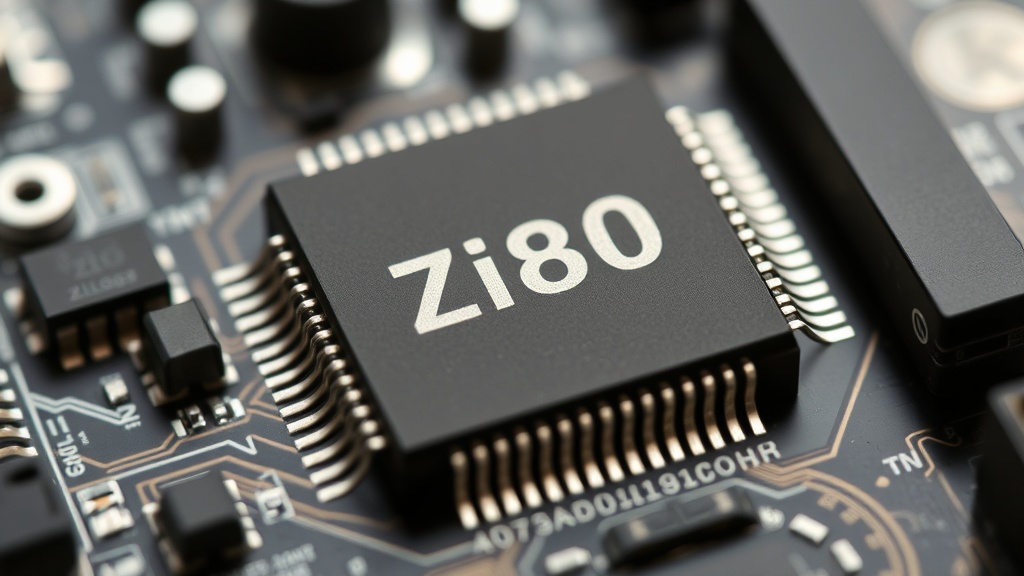
The End of an Era, The Dawn of a New One
Despite its enduring popularity, the Z80's physical production eventually ceased. Zilog officially discontinued the original Z80 in 2024, marking the end of an almost 50-year production run. This discontinuation, while inevitable given the march of technological progress, left a void for enthusiasts and legacy system maintainers who rely on the physical chip. The Z80's relatively simple architecture and its presence in countless retro computing projects meant that a readily available, drop-in replacement was highly desirable.
Enter the open-source hardware movement. A new project aims to provide exactly that: a modern, open-source replacement for the Z80 that is pin-compatible with the original DIP40 package. This initiative is not merely an emulation or a software simulation; it is a silicon implementation designed to function identically to the original Z80 in terms of pinout and basic operation, allowing it to be directly substituted into existing Z80-based circuit boards. This approach is critical for hardware preservation and for enabling new generations of hobbyists and engineers to build and experiment with Z80-based systems without the need for complex redesigns.
Technical Details and Future Prospects
The development of an open-source Z80 replacement involves significant reverse engineering and meticulous design to ensure compatibility. The goal is to replicate the Z80's instruction set, timing, and electrical characteristics as closely as possible. This allows existing software to run without modification. The project's open-source nature means that the design files will be publicly available, fostering transparency and allowing for community contributions and further development. This contrasts sharply with the proprietary nature of the original Z80, which was designed and manufactured by Zilog.
While the exact fabrication process for the new chip is not detailed, the intent is to leverage modern, readily available manufacturing technologies. This approach ensures that the resulting silicon can be produced affordably and reliably. The DIP40 form factor is a key aspect, directly targeting the vast installed base of vintage hardware that uses this standard package. This makes the replacement accessible to users who may not have advanced surface-mount soldering skills or the desire to modify their existing boards. The project represents a significant undertaking, bridging the gap between historical computing and contemporary open-source hardware development. It ensures that the Z80's legacy can continue to be experienced and built upon for years to come, not just in software emulators, but in tangible, working hardware.
The surprising detail here is not the discontinuation of the Z80 itself, which was long overdue from a performance perspective, but the emergence of a dedicated, open-source silicon replacement. This signifies a growing trend in the retro computing and embedded systems communities to not just preserve, but actively recreate and enhance vintage hardware using modern, accessible design principles. It’s a testament to the Z80's enduring influence and the dedication of its fans.
What nobody has addressed yet is what happens to the thousands of developers who built custom embedded systems around the Z80 over the decades. Will this new open-source chip be robust enough for industrial applications, or is it primarily aimed at the hobbyist market? The long-term viability and support for such a critical component in niche industrial applications remain to be seen.