Zalando Joins Sereact's $116M Series B for AI Warehouse Automation
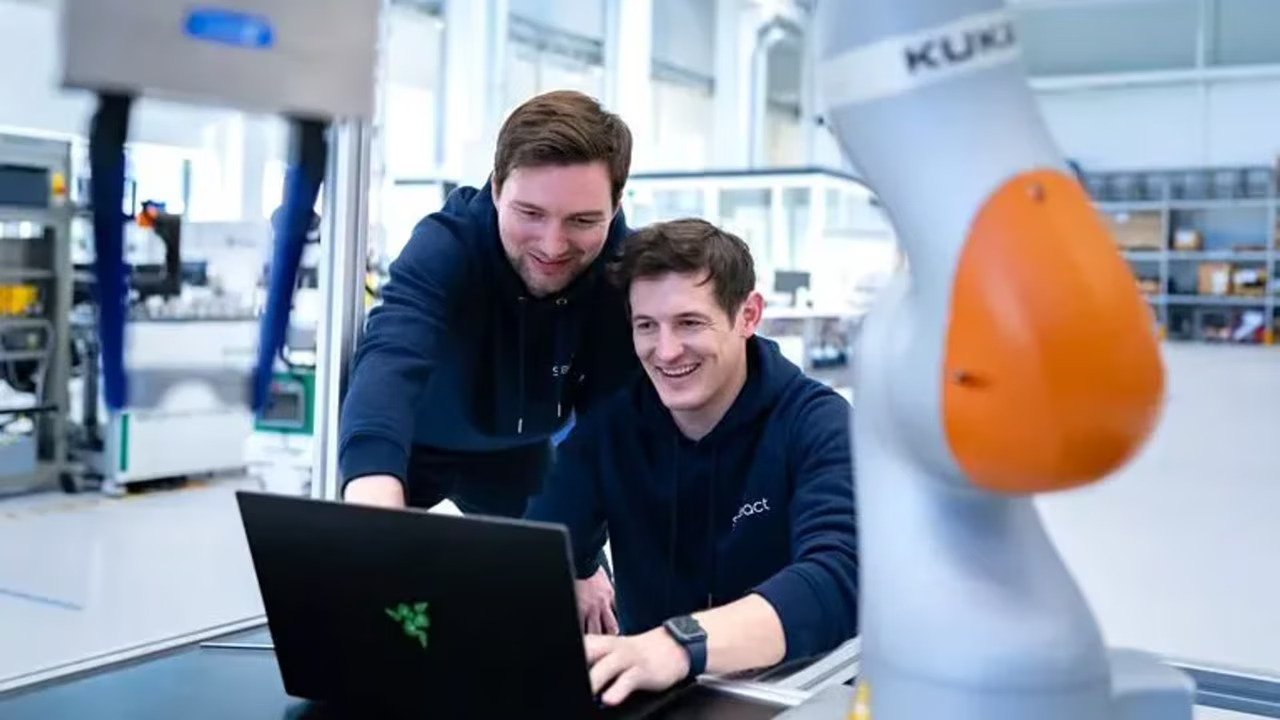
Sereact, a company specializing in physical AI for warehouse robotics, has announced the closing of its Series B funding round, securing $116 million. Notably, Zalando, a major European fashion and lifestyle platform, has joined this round as a strategic investor. This significant investment underscores a growing trend of e-commerce giants integrating advanced AI and robotics to optimize their complex logistics operations. Sereact's technology focuses on enabling robots to perceive, understand, and interact with their physical environment, a critical capability for the dynamic and often unpredictable nature of warehouse operations.
The infusion of capital will accelerate Sereact's mission to deploy its AI-powered solutions across more warehouses, aiming to enhance efficiency, reduce errors, and improve worker safety. For Zalando, this partnership signifies a strategic move to further solidify its technological leadership in the e-commerce space by leveraging cutting-edge automation within its own supply chain. The fashion industry, with its high volume of SKUs, seasonal fluctuations, and complex return processes, presents a particularly challenging environment for logistics, making advanced automation a key competitive differentiator.
The Role of Physical AI in Modern Warehousing
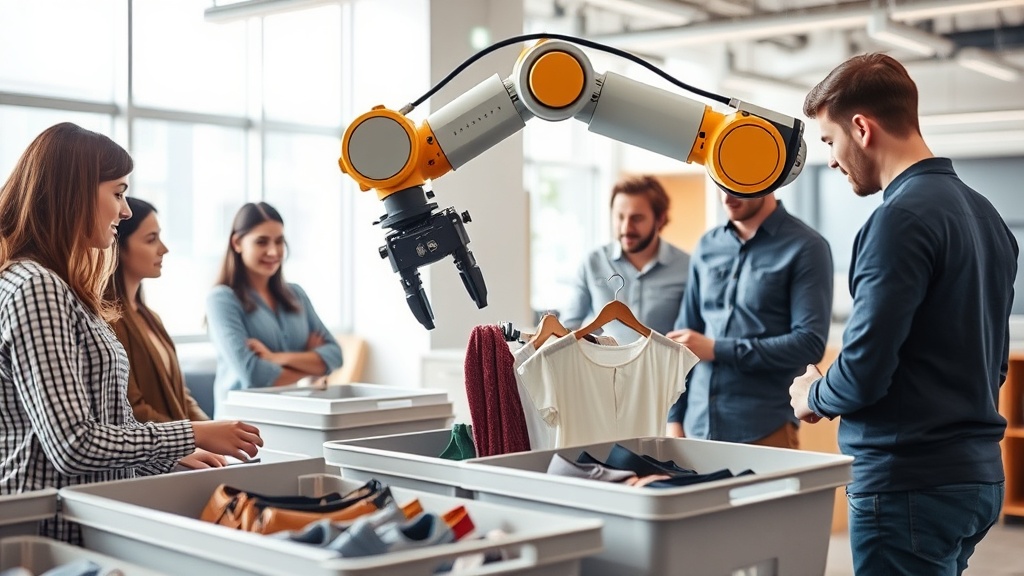
Traditional warehouse automation often relies on fixed systems and predefined paths. Sereact's approach, however, centers on what it terms "physical AI." This involves equipping robots with sophisticated sensors and AI algorithms that allow them to adapt to real-time conditions. Think of it less like a conveyor belt moving items predictably, and more like a highly skilled human packer who can instinctively adjust their grip, speed, and path based on the shape, weight, and orientation of an item, or even the presence of a colleague. This adaptability is crucial for handling the vast diversity of products found in fashion and lifestyle e-commerce, from delicate garments to bulky shoes.
Sereact's technology aims to bridge the gap between the digital world of inventory management and the physical reality of warehouse floors. By providing robots with a deeper understanding of their surroundings, they can perform tasks such as picking, packing, and sorting with greater accuracy and speed. This not only streamlines operations but also opens up possibilities for more complex robotic tasks that were previously considered too challenging for automated systems. The company's platform is designed to be modular and scalable, allowing businesses to integrate its AI capabilities into existing robotic hardware and warehouse infrastructure.
Strategic Investment from Zalando
Zalando's participation in Sereact's Series B round is more than just a financial investment; it's a strategic alliance. As Europe's largest online fashion retailer, Zalando operates a vast and complex logistics network. The company has consistently invested in technology to optimize its operations, from sophisticated inventory management systems to advanced fulfillment centers. By backing Sereact, Zalando gains early access to and potential influence over the development of AI technologies that could directly benefit its own operations. This move suggests a proactive strategy to integrate the latest advancements in robotics and AI into its supply chain, aiming to reduce costs, improve delivery times, and enhance customer satisfaction.
The collaboration is expected to involve pilot programs and deeper integration of Sereact's technology within Zalando's warehouses. This real-world testing ground will provide invaluable feedback for Sereact, allowing them to refine their product based on the demands of one of Europe's most significant e-commerce players. For Zalando, it’s an opportunity to gain a competitive edge in an increasingly demanding market, where efficient and responsive logistics are paramount. The investment also signals Zalando's commitment to fostering innovation within the broader European tech ecosystem, particularly in areas critical to e-commerce growth.
The Broader Landscape of Warehouse Automation
The warehouse automation market is experiencing rapid growth, driven by the exponential rise of e-commerce and increasing consumer expectations for faster delivery. Companies are seeking solutions that can handle the complexities of modern retail, including managing a wide variety of products, processing high volumes of orders, and dealing with returns. While established players offer solutions like automated guided vehicles (AGVs) and automated storage and retrieval systems (AS/RS), there is a growing demand for more flexible and intelligent systems that can adapt to changing needs. This is where companies like Sereact, with their focus on AI and robotics, are making significant inroads.
Sereact's success in attracting a strategic investor like Zalando, alongside other venture capital firms, highlights the maturity and potential of AI-driven robotics in the logistics sector. The $116 million Series B round positions Sereact to scale its operations, expand its R&D efforts, and capture a larger share of this burgeoning market. The competition in this space is intense, with numerous startups and established companies vying to provide the next generation of warehouse automation solutions. However, Sereact's specific focus on physical AI and its ability to secure a partnership with a major e-commerce platform like Zalando suggest a strong product-market fit and a clear path forward.
Future Implications for E-commerce Logistics
The partnership between Zalando and Sereact is indicative of a broader shift in how e-commerce companies approach their supply chains. As the cost of labor rises and the demand for speed intensifies, investing in advanced automation is no longer a luxury but a necessity. The success of this collaboration could set a precedent for other large retailers looking to enhance their logistics capabilities. It also raises the question of what further innovations will emerge as AI becomes more sophisticated in understanding and interacting with the physical world. Will we see warehouses that are almost entirely managed by autonomous robotic systems, capable of handling every aspect from receiving goods to dispatching final orders?
The implications extend beyond mere efficiency gains. Advanced automation can lead to more sustainable operations through optimized energy use and reduced waste. It can also create new types of jobs focused on managing and maintaining these sophisticated systems, shifting the human workforce towards higher-value, less physically demanding roles. As Sereact continues to develop its physical AI capabilities, the boundaries of what is possible in warehouse automation will undoubtedly be pushed further, transforming the backbone of the global e-commerce industry.