From Playlists to Productions: YouTube's New 'Shows' Feature
YouTube is making a significant play to capture more eyeballs on television screens by transforming a familiar creator tool: the playlist. The platform has rolled out a new feature that allows creators enrolled in the YouTube Partner Program to reformat their existing playlists into a format akin to serialized television shows. This move directly challenges traditional streaming services by leveraging YouTube's vast content library and creator ecosystem.
The new 'shows' format is designed to present content in a more curated and binge-watchable manner. Instead of a simple list of videos, playlists can now be structured to appear as a cohesive series, complete with consistent branding and pacing. This aims to provide a more polished viewing experience, particularly for audiences consuming content on larger screens like smart TVs.
According to Google's support documentation, the 'shows' format performs best when playlists consist of videos that share a common narrative thread, a consistent topic, or a similar visual style in their intros and thumbnails. YouTube is also emphasizing the importance of high-quality video and audio production to elevate these re-formatted playlists into a more professional viewing experience. Creators are encouraged to ensure their content meets these standards to maximize the impact of the new feature.
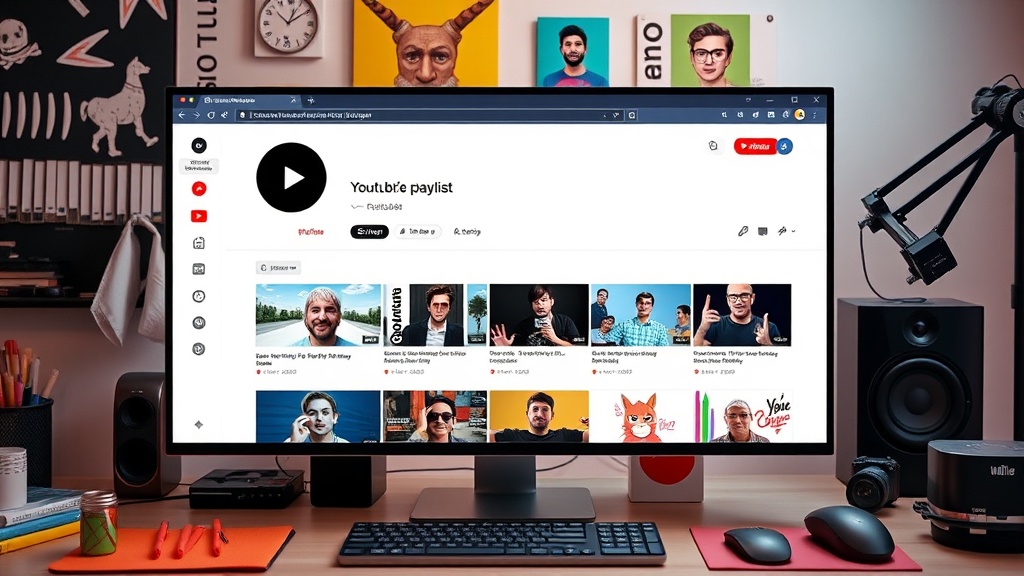
The Strategic Shift: Competing in the Living Room
This strategic pivot by YouTube is clearly aimed at deepening its penetration into the living room, a territory increasingly dominated by dedicated streaming platforms like Netflix, Hulu, and Disney+. By enabling creators to package their content into 'shows', YouTube is not only making its platform more attractive to viewers seeking structured entertainment but also providing creators with new ways to organize and monetize their work. The ability to present a collection of videos as a single, cohesive series can enhance viewer engagement, encouraging longer watch times and repeat visits.
The underlying technology enables YouTube to present playlists with a more sophisticated UI, offering features like continuous playback, season-like groupings, and potentially, tailored recommendations based on the 'show's' theme. This is a departure from the more utilitarian playlist view that has been standard for years. For creators, this means a new layer of presentation control, allowing them to guide their audience through a narrative arc or a thematic exploration of their content.
The emphasis on consistent intros and thumbnails is particularly telling. It suggests that YouTube is encouraging creators to think about their content not just as individual videos, but as components of a larger, branded experience. This aligns with broader trends in digital content creation, where cohesive branding and a recognizable style are crucial for audience retention and growth.
Implications for Creators and Viewers
For creators, the 'shows' feature offers a powerful new tool for content organization and audience engagement. Previously, a creator might have dozens of videos related to a specific topic or series scattered across their channel. Now, they can group these into a singular 'show', making it easier for new viewers to discover and consume their entire body of work on that subject. This could be particularly beneficial for educational channels, documentary-style content, or any creator producing serialized content.
The 'show' format also has implications for discoverability. YouTube's algorithms can potentially understand and recommend these 'shows' as distinct entities, rather than just individual videos. This could lead to more effective content promotion and a better user experience, as viewers are presented with curated collections that match their interests. The ability to maintain a consistent narrative across multiple episodes is key to building a dedicated audience that returns for more.
Viewers, in turn, benefit from a more streamlined and professional viewing experience. The 'shows' feature aims to reduce the friction of finding the next relevant video within a series, making it easier to get lost in content. This is essential for competing with the lean-back, immersive experience offered by traditional streaming services. The expectation is that this will lead to increased watch time and deeper engagement with YouTube's content library.
The Technical Underpinnings and Future Potential
While the specifics of the implementation are not fully detailed, the feature likely involves metadata enhancements to playlists, allowing YouTube's backend to interpret and display them as serialized content. This could include new fields for show titles, descriptions, season numbers, and episode order. The similarity in intros and thumbnails suggests an algorithmic component that may analyze visual consistency, or a strong recommendation for creators to manually ensure this uniformity.
What remains to be seen is how deeply integrated this feature will become. Will it extend to YouTube Shorts? Will there be new monetization opportunities specifically tied to 'shows'? The current implementation focuses on longer-form video content within playlists, but the potential for expansion is significant. This move positions YouTube not just as a video-sharing platform, but as a comprehensive entertainment hub capable of competing directly with established streaming giants.
The success of this feature will depend on creator adoption and viewer reception. However, by tapping into the existing structure of playlists and providing tools to elevate them, YouTube is making a smart bet on its creator community to populate this new format with compelling content. The humble playlist, often overlooked, may just become the backbone of YouTube's living room strategy.