AI-Powered Content Curation Takes Center Stage
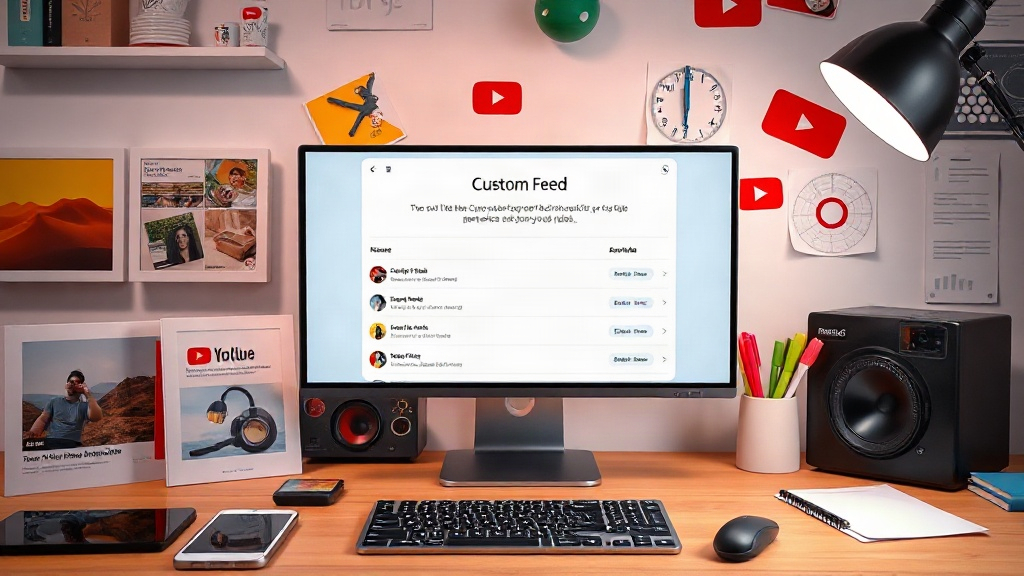
YouTube is poised for a significant transformation later this year as it rolls out a suite of artificial intelligence-driven features designed to fundamentally alter how users discover and interact with content. At the forefront of these changes is the introduction of custom feeds, a capability that will allow users to directly influence the algorithm. Instead of passively receiving recommendations, users will be able to describe the type of videos they are looking for in their own words. This natural language input will then be processed by Google's Gemini AI, which will construct a personalized feed tailored to those specific user prompts.
This move represents a departure from YouTube's long-standing reliance on a more opaque recommendation system. By giving users the reins to define their content preferences through descriptive language, YouTube is aiming for a deeper level of personalization. This is akin to telling a highly knowledgeable friend exactly what you're in the mood for – a specific genre of documentary, a particular type of DIY tutorial, or perhaps a deep dive into a niche historical event – and having them curate a playlist just for you. The potential here is to move beyond broad categories and surface incredibly specific content that might otherwise be lost in the vast ocean of YouTube's library.
Enhancing the Video Shopping Experience with AI
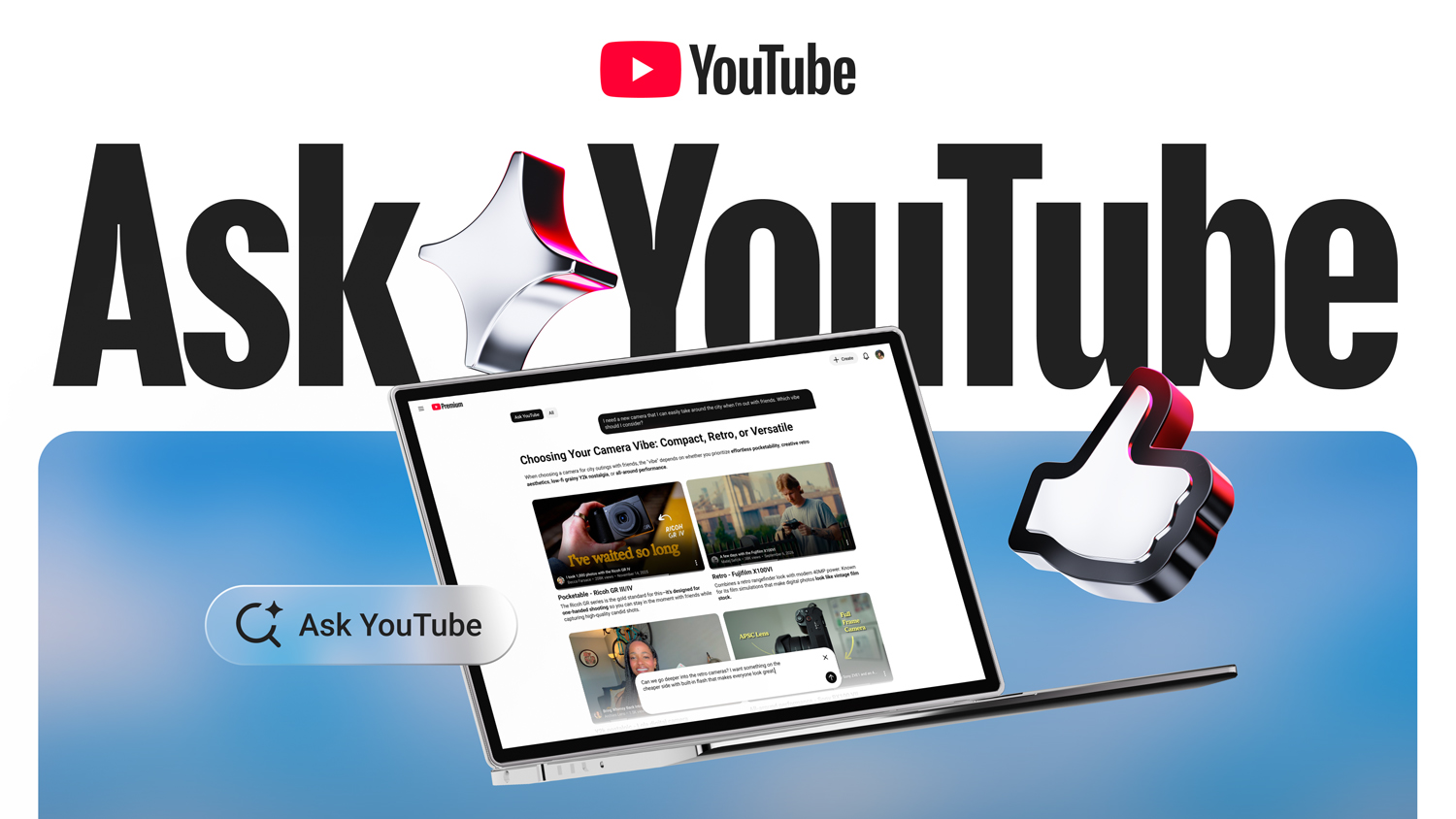
Beyond content discovery, YouTube is also doubling down on its video shopping initiatives, integrating AI to make the process more intuitive and effective. A key new feature, dubbed 'Ask YouTube,' will leverage AI to assist users during their shopping journeys. This tool is designed to go beyond simple product listings, enabling users to compare products directly within the shopping experience. Imagine watching a review of two different smartphones; 'Ask YouTube' could, in theory, pull up a side-by-side comparison of their specs, prices, and user ratings, all while the video continues to play.
This integration aims to bridge the gap between content consumption and e-commerce, making YouTube a more viable platform for direct purchasing decisions. The AI's ability to analyze product information and present it contextually within a video could significantly reduce friction for shoppers who are already engaged with product-related content. This feature is particularly relevant as creators increasingly incorporate shoppable links and product placements into their videos, turning passive viewing into an active shopping opportunity. The goal is to make YouTube not just a place to discover products, but a place to confidently research and compare them before buying.
A Conversational Approach to Music and Podcast Discovery
YouTube Music is also set to receive a significant AI infusion, with a focus on making music and podcast discovery more conversational. The new 'Ask Music' feature, announced at the Made On YouTube event, allows users to interact with the platform using natural language queries related to music and podcasts. This could range from asking for upbeat electronic music for a workout to finding podcasts discussing specific historical periods. The AI will then use this input to generate recommendations, helping listeners uncover new artists, explore related genres, and find podcasts they might not have encountered through traditional browsing or algorithmic suggestions.
Complementing 'Ask Music' is 'Your Podcast Lineup,' a personalized podcast recommendation system. This feature aims to curate a unique selection of podcasts for each user, ensuring a steady stream of relevant content. For creators and artists, these AI-powered tools present new avenues for discoverability. As users become more adept at using conversational prompts, their ability to find niche content and emerging artists will increase, potentially leveling the playing field for smaller creators and independent musicians. The underlying technology is designed to understand nuanced requests, moving beyond simple keyword matching to grasp the intent and mood behind a user's query.
Broader AI Implications for the YouTube Ecosystem
The overarching theme from YouTube's recent announcements is a deep commitment to leveraging AI across its platform. From the granular control offered by custom feeds to the enhanced utility of shopping and the more intuitive discovery mechanisms in Music, AI is becoming the connective tissue of the YouTube experience. This strategic pivot suggests an ambition to move beyond content aggregation and into proactive content curation and enhanced user interaction. The success of these features will hinge on the AI's ability to accurately interpret user intent and deliver genuinely valuable, personalized results without overwhelming the user or creating filter bubbles that stifle serendipitous discovery.
What remains to be seen is how these AI features will impact the creator economy. Will the ability to generate custom feeds lead to more fragmented audiences, making it harder for creators to reach a broad base? Or will it empower creators to connect more directly with highly engaged, niche communities? The introduction of these sophisticated AI tools also raises questions about data privacy and algorithmic transparency. As users provide more explicit prompts and the AI becomes more integral to content delivery, understanding how this data is used and how the algorithms function will be crucial for both users and creators alike.
YouTube's aggressive push into AI signifies a belief that the future of online video, music, and commerce is intrinsically linked to intelligent automation and personalization. The coming year will be a critical test of whether these AI-driven enhancements can deliver on their promise of a more engaging, efficient, and tailored user experience.