AI-Powered Optimization for Creators
YouTube is doubling down on artificial intelligence to empower creators, introducing a suite of new tools designed to optimize content performance and engagement. At its annual Made On event in New York City, the platform detailed how AI is being woven into the fabric of YouTube Studio, aiming to give creators a sharper edge in a crowded digital landscape. The focus is on intelligent personalization, moving beyond static elements to dynamic, data-driven adjustments.
A significant announcement is the introduction of dynamic thumbnails. Instead of relying on a single, static image, YouTube will leverage AI to generate and test multiple thumbnail variations for a given video. This means creators can potentially see different thumbnails served to different audience segments, or even have thumbnails that adapt based on viewer behavior. The goal is to identify the most compelling visual hook for each video, thereby increasing click-through rates. This move signals a shift from creator intuition to AI-driven optimization for one of the most critical elements of video discovery.
Complementing dynamic thumbnails is an enhanced A/B testing framework within YouTube Studio. This feature allows creators to systematically test different versions of their video metadata—including titles, descriptions, and those dynamic thumbnails—to understand which combinations resonate best with their audience. The AI will not only facilitate the generation of these variations but also analyze the performance data, providing creators with actionable insights into what drives views and watch time. Think of it less like a simple analytics dashboard and more like a dedicated, AI-powered marketing team constantly refining your content's presentation.
Personalizing the Viewer Experience with AI
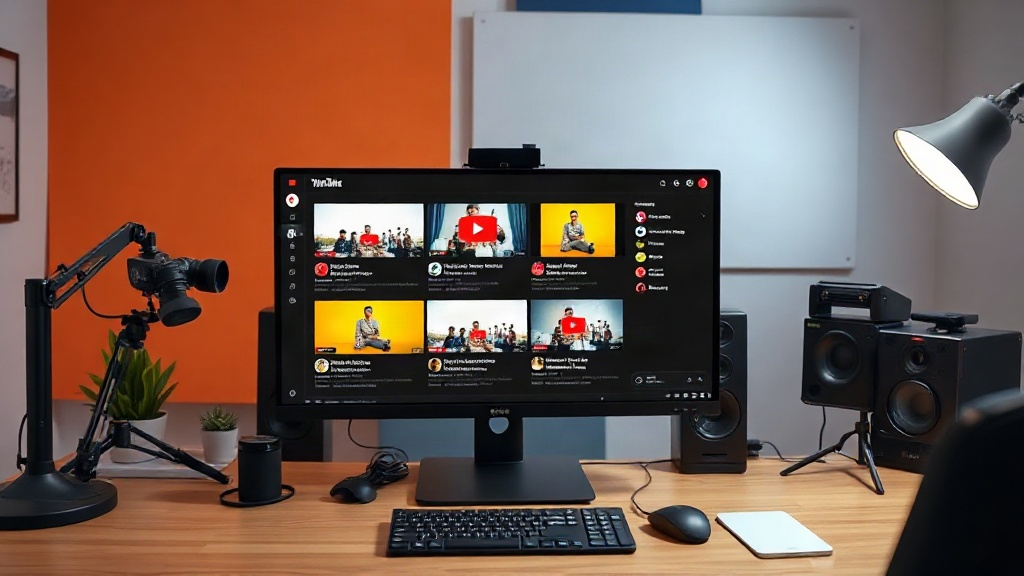
The AI integration extends beyond creator tools to fundamentally reshape the viewer experience. YouTube's homepage and recommendations are becoming increasingly sophisticated, driven by AI's ability to understand individual viewing habits and preferences with greater nuance. The platform is aiming to deliver a more personalized journey for every user, surfacing content that is not only relevant but also timely and engaging.
This enhanced personalization means that the content surfaced to a viewer might be influenced by a complex interplay of factors, including past watch history, search queries, the performance of similar videos, and even the time of day. AI algorithms are continuously learning and adapting, striving to predict what a user will want to watch next with increasing accuracy. This is particularly important as YouTube looks to keep users engaged on the platform for longer durations, a key metric for advertisers and the platform itself.
Furthermore, the AI's influence is not limited to suggesting individual videos. It is also being used to curate personalized playlists and collections, presenting viewers with a more cohesive and tailored content stream. This could manifest as themed collections for specific interests, or dynamic playlists that update based on trending topics within a user's preferred genres. The aim is to reduce the friction in content discovery, making it easier for viewers to find content they will love, thereby increasing overall platform stickiness.
The Future of Video Content and AI
The implications of YouTube’s AI-driven strategy are far-reaching. For creators, it means a greater reliance on data and algorithmic understanding to achieve success. While the tools aim to democratize optimization, there's a potential for a new kind of creator expertise to emerge: one that focuses on mastering AI-driven insights and testing methodologies. The ability to effectively utilize dynamic thumbnails and A/B tests could become a critical differentiator.
For viewers, the promise is a more curated and engaging experience, but it also raises questions about filter bubbles and the potential for algorithmic bias to limit exposure to diverse content. As AI becomes more adept at predicting user preferences, the challenge will be to ensure that serendipitous discovery and exposure to new ideas are not unduly curtailed.
YouTube's commitment to AI signals a significant evolution in how video content is created, discovered, and consumed. The platform is essentially building a more intelligent, responsive, and personalized ecosystem for both creators and viewers. This strategic pivot suggests that AI will be not just a tool, but a core component of YouTube's future, influencing everything from the smallest visual element of a video to the overarching structure of user interfaces and content delivery.
The surprising detail here is not the introduction of AI, which has been a growing trend across tech platforms, but the sheer breadth of its application within YouTube's ecosystem. From the micro-decisions of thumbnail selection to the macro-level personalization of the entire homepage experience, AI is no longer an auxiliary feature but a foundational element of YouTube's product strategy. This comprehensive integration aims to optimize engagement at every touchpoint.