Unlisted and Private Videos Exposed
A significant security vulnerability in YouTube's API has led to the unauthorized exposure of private and unlisted videos belonging to creators on the platform. The flaw, identified and detailed by security researcher Javoriuski, allowed malicious actors to access content that was never intended for public consumption. This breach raises serious concerns about the privacy and intellectual property of content creators worldwide.
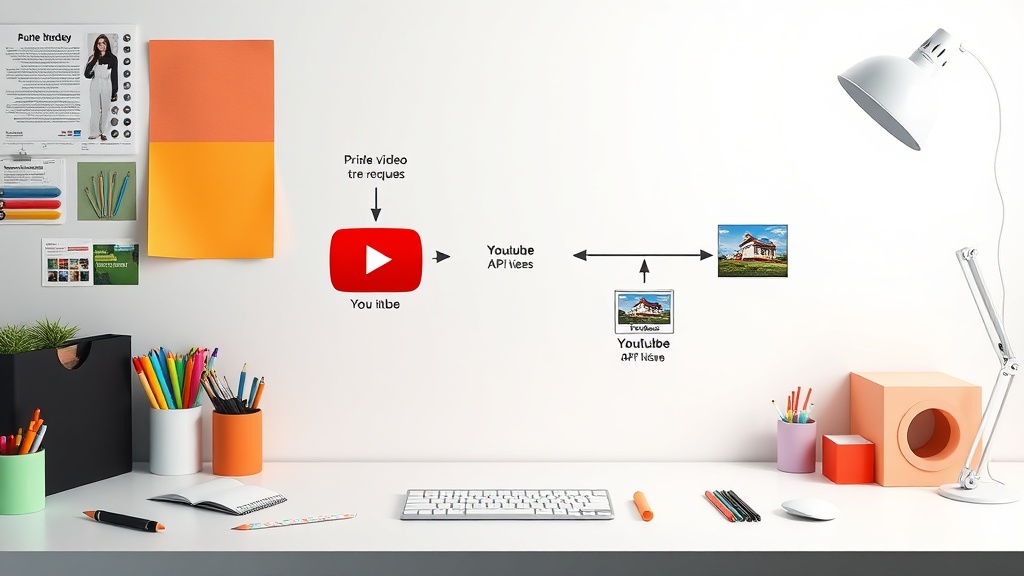
The vulnerability specifically targeted YouTube's API endpoints responsible for managing video metadata and access. By exploiting a weakness in how these endpoints handled authentication and authorization, attackers could bypass YouTube's intended privacy controls. This meant that videos marked as "unlisted" (only accessible via a direct link) and "private" (only visible to the uploader and specific invited viewers) could be viewed by anyone who knew how to trigger the exploit.
How the Vulnerability Worked
The technical details of the exploit involve a sophisticated manipulation of API requests. While the full technical exposition is beyond the scope of a general overview, it is understood that the vulnerability lay in a failure to properly validate access tokens and user permissions for certain video management operations. Essentially, an attacker could craft a request that, under specific conditions, would trick the YouTube servers into serving video data for content they should not have access to.
Think of it like a library where the librarian accidentally hands out the keys to the restricted section to anyone asking for a popular novel. The system was designed to keep certain books (videos) separate, but a flaw in the librarian's (API's) process allowed unauthorized access. This wasn't a brute-force attack or a simple password hack; it was a targeted exploitation of a logical flaw within YouTube's own systems.
The implications for creators are substantial. Unlisted videos are often used for private client previews, unreleased content, or sensitive internal communications. Private videos are even more restricted, typically used for personal archives or content awaiting a formal release. The exposure of such content could lead to intellectual property theft, reputational damage, and a severe breach of trust between creators and their audience or collaborators.
Impact on Creators and YouTube
The scale of the breach is still being assessed, but initial reports suggest that a wide range of creators could be affected. The exploit's nature means that any creator who has ever uploaded an unlisted or private video might have had that content compromised. This could range from small independent artists sharing early drafts with a select group to large media companies using unlisted videos for internal review processes.
For YouTube, this incident represents a significant blow to its reputation as a secure platform for content creators. The company has a responsibility to protect the content uploaded by its users, and this vulnerability indicates a failure in that regard. The trust that creators place in YouTube's privacy settings is fundamental to their willingness to use the platform for sensitive material. A breach of this nature erodes that trust.
What remains unclear is the extent to which this vulnerability was exploited before its discovery. Was this a theoretical flaw found by a security researcher, or was it actively used by malicious actors to pilfer content? The answer to this question will heavily influence the ongoing fallout and the remedial actions YouTube must take.
Mitigation and Response
Upon discovery, the researcher responsible for uncovering the vulnerability responsibly disclosed it to YouTube. Tech platforms typically have a grace period to address such issues before public disclosure, and the timeline for this particular fix is still emerging. YouTube's internal security teams would have been alerted and tasked with patching the affected API endpoints immediately.
For creators, the immediate actions are limited. Since the exploit targeted YouTube's backend, there is little that an individual creator could have done to prevent their videos from being accessed if the vulnerability was active. However, creators should review their privacy settings and be aware of any unexpected views or access to their previously unlisted or private content. They should also consider reviewing any sensitive content that was stored in these formats.
YouTube's response will likely involve not only patching the vulnerability but also conducting a thorough audit of their API security protocols. This might include implementing stricter validation checks, enhancing access token management, and potentially offering creators more granular control and visibility over who has accessed their private content. The company may also need to communicate directly with affected creators, though the difficulty in identifying precisely who was impacted makes this a challenging task.
Broader Security Implications
This incident underscores the persistent challenges in securing complex web applications and APIs. Even with robust security measures in place, subtle logical flaws can emerge, posing significant risks. For developers working on similar platforms, this serves as a stark reminder of the need for continuous security auditing, rigorous testing of access control mechanisms, and a proactive approach to vulnerability management.
The incident also highlights the ongoing cat-and-mouse game between security researchers and platform vulnerabilities. While researchers like Javoriuski play a crucial role in identifying and reporting these flaws, the potential for such vulnerabilities to be exploited by malicious actors before they are fixed remains a constant threat. The industry must continue to foster responsible disclosure practices while also investing in faster remediation capabilities.
Ultimately, the leaking of YouTube creators' private videos via an API vulnerability is a wake-up call. It demonstrates that even seemingly secure platforms can harbor hidden weaknesses, and that the privacy of digital content is never entirely guaranteed without constant vigilance and robust security engineering.