%22%20%2F%3E%0A%20%20%3C%2Fsvg%3E)
Unofficial Patches Address Critical Windows LegacyHive Vulnerability
A severe zero-day vulnerability affecting Windows, codenamed LegacyHive, which allows attackers to escalate privileges on affected systems, has received unofficial patches from independent security researchers. This flaw, if exploited, could grant attackers administrative control over a compromised machine, even on fully updated Windows installations. Microsoft has not yet released an official fix, leaving users exposed to potential attacks until a patch is deployed.
The LegacyHive vulnerability (CVE-2024-21341, though not officially assigned at the time of reporting) resides within the Windows Registry's handling of specific hive files. Attackers can leverage this flaw to gain elevated permissions by exploiting a weakness in how the operating system processes these critical system files. This type of vulnerability is particularly dangerous because it can be chained with other exploits, enabling a full system takeover from a low-privilege initial access point.
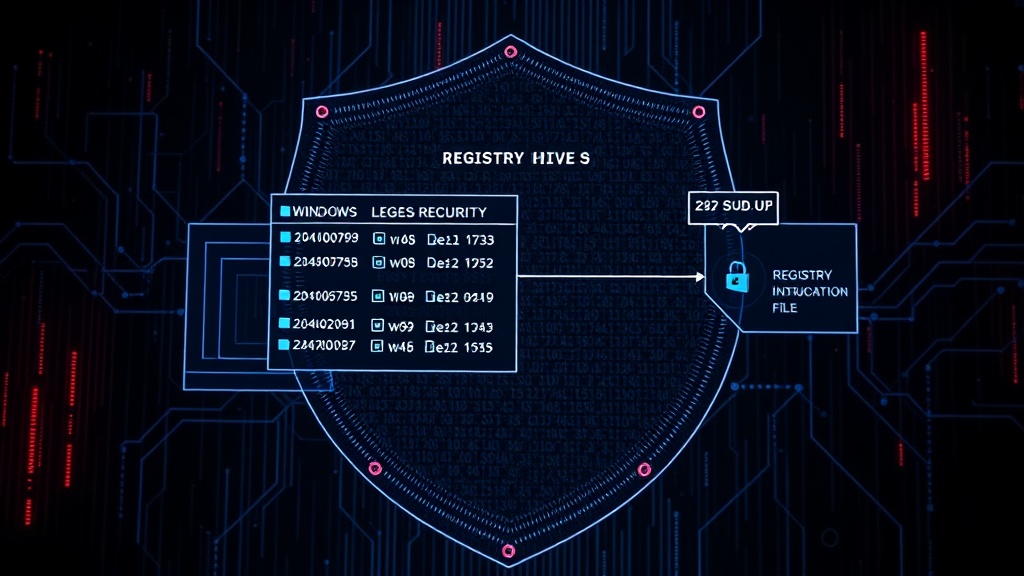
Understanding the LegacyHive Vulnerability
The technical details surrounding LegacyHive indicate that the vulnerability lies in the kernel-mode drivers responsible for managing registry hives. These hives are essentially database files that store system and user configuration settings for Windows. When a specially crafted registry hive file is loaded or processed by the system, it can trigger a buffer overflow or similar memory corruption vulnerability within the kernel. This corruption allows an attacker to overwrite critical memory structures, leading to arbitrary code execution with SYSTEM privileges.
What makes this vulnerability particularly concerning is its potential impact on modern, patched Windows systems. Unlike many vulnerabilities that are quickly fixed or only affect older, unsupported versions, LegacyHive appears to affect current versions of Windows. This suggests a deep-seated issue in the Windows kernel's registry handling that has perhaps gone unnoticed or unaddressed for an extended period. The ability to escalate privileges is a foundational step for most advanced persistent threats (APTs) and ransomware attacks. An attacker gaining SYSTEM access can disable security software, install persistent backdoors, steal sensitive data, and pivot to other systems within a network.
The Role of Unofficial Patches
In the absence of an official Microsoft patch, security researchers and enthusiasts have taken the initiative to develop and distribute unofficial fixes. These community-driven solutions aim to mitigate the risk posed by LegacyHive by patching the vulnerable code directly. While these patches can offer immediate protection, they come with inherent risks. Users must exercise extreme caution when downloading and applying unofficial patches. They should only be sourced from trusted individuals or reputable security communities known for their expertise and integrity. Applying a malicious or poorly developed patch could introduce new vulnerabilities or further destabilize the operating system.
The availability of these unofficial patches highlights a critical dynamic in cybersecurity: the race between attackers and defenders. When a zero-day vulnerability is discovered, there is a window of opportunity for attackers to exploit it before a fix is available. Security researchers often work to close this window by reverse-engineering the vulnerability and developing countermeasures. This situation underscores the importance of proactive threat hunting and rapid response, even when official channels are slow to react. For organizations, this means having robust endpoint detection and response (EDR) solutions and incident response plans in place to detect and mitigate potential exploitation attempts while awaiting official guidance.
Mitigation and Future Implications
While the unofficial patches provide a temporary solution, they are not a substitute for a verified Microsoft update. Users are strongly advised to monitor official Microsoft security advisories for a forthcoming patch. In the meantime, best practices for mitigating zero-day risks include:
- Principle of Least Privilege: Ensure all user accounts operate with the minimum necessary permissions. This limits the damage an attacker can do if they compromise a standard user account.
- Application Whitelisting: Implement policies that only allow approved applications to run, preventing the execution of malicious software.
- Network Segmentation: Divide networks into smaller, isolated segments to prevent lateral movement by attackers.
- Security Monitoring: Deploy and actively monitor EDR solutions and intrusion detection systems for suspicious activity, such as attempts to load unusual registry hives or unexpected privilege escalations.
- Regular Backups: Maintain regular, tested backups of critical data that are stored offline or isolated from the main network.
The LegacyHive vulnerability serves as a stark reminder that even mature operating systems can harbor critical flaws. It also emphasizes the vital role the cybersecurity community plays in safeguarding digital infrastructure. The speed at which unofficial patches emerged is commendable, but it also points to the ongoing need for transparency and rapid patching from major software vendors. Developers and security professionals must remain vigilant, adapting their defenses to counter threats that exploit these fundamental system weaknesses.
The surprising detail here is not that a Windows zero-day exists, but that it allows for privilege escalation through registry hive manipulation, a vector that might be overlooked in standard security assessments focused on network or application-level exploits. It compels a re-evaluation of how deeply ingrained system components are secured and validated.
What's Next for LegacyHive?
Microsoft is expected to address CVE-2024-21341 in a future security update, likely during its next Patch Tuesday cycle. Until then, users are in a precarious position. The unofficial patches offer a lifeline, but their adoption requires careful consideration of the risks involved. This incident will likely prompt a review of Windows registry handling code within Microsoft and may lead to more robust validation checks for hive files in subsequent Windows versions. For defenders, it’s a call to action to review their current defenses and incident response playbooks, ensuring they are prepared for privilege escalation attacks that leverage seemingly innocuous system components.