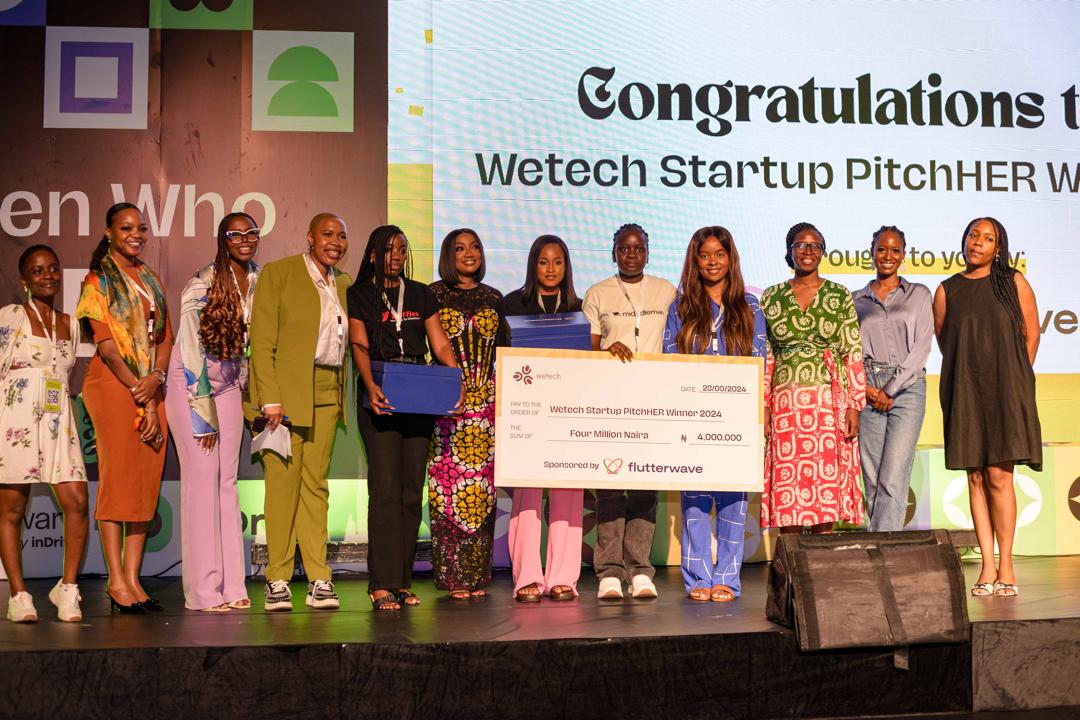
Bridging the Funding Gap for Nigerian Women Founders
Wetech Women Foundation (Wetech), in collaboration with the UK-Nigeria Tech Hub, has launched the PitchHer Investment Readiness Program. This initiative is specifically designed to address the significant challenges faced by women founders in Nigeria when seeking investment capital. The program aims to equip these entrepreneurs with the necessary skills, knowledge, and network to successfully raise funds for their ventures. The Nigerian tech ecosystem, while vibrant and rapidly growing, has historically shown a disparity in funding allocation, with women-led startups often receiving a disproportionately smaller share. PitchHer seeks to rectify this imbalance by providing targeted support. The program will focus on critical areas such as financial modeling, investor pitching, legal due diligence, and strategic business planning. By strengthening these foundational aspects, Wetech and the UK-Nigeria Tech Hub intend to empower women founders to present compelling investment cases. This partnership leverages the expertise of both organizations. Wetech, as a foundation dedicated to advancing women in technology, brings a deep understanding of the specific hurdles faced by female entrepreneurs. The UK-Nigeria Tech Hub, a governmental initiative focused on fostering technological collaboration and growth between the UK and Nigeria, provides a platform for international best practices and potential investor connections.Program Structure and Key Focus Areas
The PitchHer program is structured to provide a comprehensive learning experience over a defined period. Participants will undergo intensive training modules delivered by industry experts, seasoned investors, and successful entrepreneurs. The curriculum is designed to be practical and actionable, ensuring that founders can immediately apply what they learn to their businesses. Key focus areas include:- Financial Literacy and Modeling: Founders will learn to build robust financial projections, understand key financial metrics, and articulate their company’s financial health and potential to investors. This includes mastering concepts like burn rate, runway, and valuation.
- Investor Pitching and Storytelling: A significant component involves honing the art of the pitch. Participants will receive training on crafting compelling narratives, designing effective pitch decks, and delivering confident presentations that resonate with venture capitalists and angel investors.
- Legal and Due Diligence Preparation: Understanding the legal frameworks and the due diligence process is crucial for securing investment. The program will cover essential legal aspects, company structuring, and how to prepare for the rigorous scrutiny investors apply.
- Market Validation and Growth Strategy: Founders will be guided on how to validate their market, refine their product-market fit, and develop scalable growth strategies that demonstrate long-term potential and return on investment.
- Networking and Mentorship: Beyond the structured training, PitchHer emphasizes building connections. Participants will gain access to a network of mentors and potential investors, fostering relationships that can lead to funding opportunities.