Autonomous Vehicle Detects and Reports Toy Gun Incident
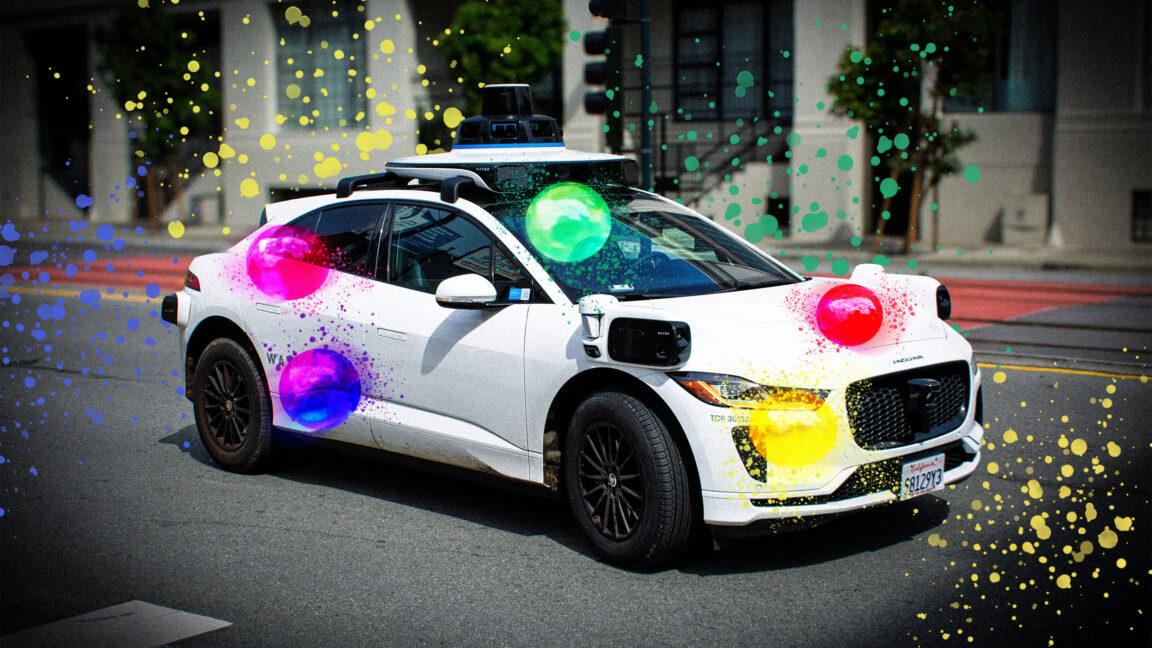
An incident involving two teenagers and a Waymo autonomous vehicle highlights the sophisticated safety protocols built into self-driving technology. The event occurred when the Waymo vehicle, operating autonomously, was targeted by teenagers firing toy guns. Instead of continuing its route or exhibiting unpredictable behavior, the Waymo vehicle's advanced sensor suite and onboard AI detected the aggressive action. The vehicle's response was immediate and decisive: it safely pulled over and contacted emergency services, specifically the San Mateo Police Department. Crucially, the Waymo vehicle remained stationary until law enforcement arrived on the scene, ensuring the situation did not escalate and providing a detailed account of the event to authorities.
This incident, while involving non-lethal toy weapons, underscores the critical role of autonomous vehicles in public safety. The Waymo vehicle's ability to discern a threat, prioritize the safety of its passengers (even if none were present at the time of the incident, the system is designed to protect occupants), and proactively engage with law enforcement demonstrates a significant leap in vehicle autonomy. Traditional vehicles might have driven away, potentially leading to a chase or further confrontation. The robotaxi, however, acted as a passive, observant, and responsible agent, effectively de-escalating the situation by involving the police.
Waymo's Safety Protocols in Action
The core of this story lies in the Waymo system's reaction. The vehicle is equipped with a comprehensive array of sensors, including lidar, radar, and cameras. These sensors provide a 360-degree view of the vehicle's surroundings, constantly processing data to understand the environment. When the toy guns were fired, the system likely interpreted the projectiles and the action as a threat. This interpretation triggers a pre-programmed safety protocol. The first step is always to ensure the safety of the vehicle and any potential occupants. This means executing a safe stop, away from traffic and hazards.
The decision to call 911 is a key differentiator. It signifies a level of situational awareness and a programmed response that goes beyond mere obstacle avoidance. The vehicle is not just a driver; it's a connected entity capable of interacting with external safety services. This capability is vital for scenarios where human intervention would typically be required, such as reporting a crime or an accident. The fact that the Waymo waited for the police to arrive is also significant. It suggests an understanding of the need for a controlled handover of the situation to human authorities, rather than simply driving away and leaving the incident unresolved.
This incident serves as a real-world test case for the safety algorithms of autonomous vehicles. While the weapons were toys, the system reacted as if they were real, which is precisely how such systems are designed to err on the side of caution. The potential for a real firearm to be involved in a similar scenario means that this type of robust response is not just desirable, but essential for the future of autonomous transportation. The data collected by the Waymo during this event – including sensor readings, video footage, and the precise timing of actions – will undoubtedly be used to further refine its threat detection and response mechanisms.
Broader Implications for Autonomous Vehicle Safety and Public Trust
The incident, while seemingly minor due to the nature of the weapons used, has broader implications. It demonstrates that autonomous vehicles can act as effective witnesses and participants in maintaining public order. For law enforcement, having an autonomous vehicle that can safely stop, report incidents, and remain at the scene provides an invaluable tool. It eliminates the risks associated with human drivers being involved in potentially dangerous situations, such as confronting individuals with weapons, even toy ones.
The public's trust in autonomous vehicles is paramount for their widespread adoption. Incidents like this, where the technology behaves responsibly and enhances safety, can help build that trust. It shows that these vehicles are not just about convenience; they are designed with safety as a primary concern, capable of handling unexpected and potentially hostile interactions in a controlled and lawful manner. The alternative – a vehicle that might swerve erratically, flee the scene, or fail to report – would erode confidence significantly. Waymo's proactive approach in this instance reinforces the idea that autonomous vehicles can be a positive force in urban environments, contributing to a safer community.
What remains to be seen is how frequently such incidents will occur as autonomous vehicle fleets expand and how the legal framework will adapt to situations where AVs are witnesses or involved parties in criminal activity. The detailed data logs from these vehicles could revolutionize evidence collection in certain types of crimes. This event is a small but significant data point in the ongoing evolution of autonomous technology and its integration into society.