The Challenge of Maritime Drone Recovery
Maritime drones offer significant advantages for a wide range of applications, from environmental monitoring and offshore infrastructure inspection to search and rescue operations. Their ability to operate autonomously over extended periods and in challenging conditions makes them invaluable tools. However, a persistent operational hurdle has limited their widespread adoption: the difficulty and risk associated with recovering these drones once their mission is complete. While launching a drone from a vessel might be straightforward, bringing it back safely and efficiently, especially in rough seas or remote locations, presents a complex engineering problem.
Traditional recovery methods often involve manual intervention, requiring crew members to physically retrieve the drone. This process can be hazardous, time-consuming, and impractical in adverse weather conditions. It necessitates precise maneuvering of the mother vessel and the drone, often leading to delays, increased operational costs, and potential damage to the drone itself. This inherent difficulty has created a significant bottleneck, preventing the full potential of maritime drone technology from being realized.
WaiV Robotics' Automated Solution
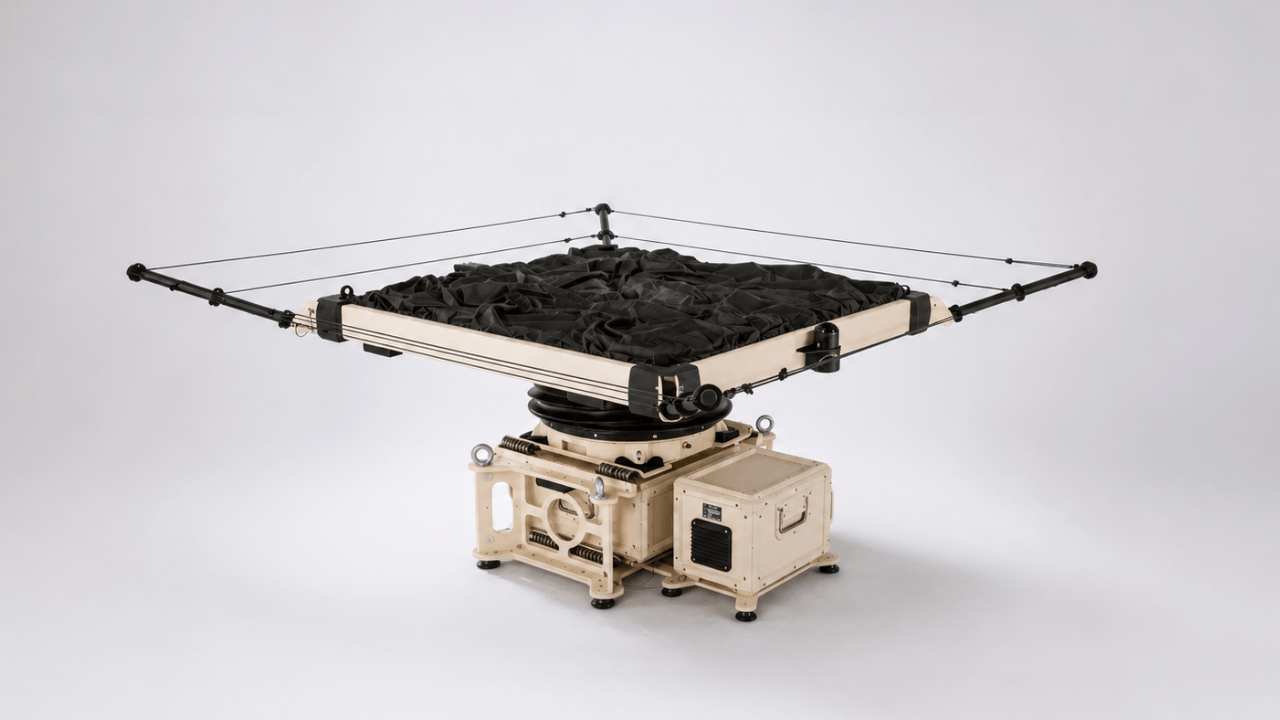
WaiV Robotics has tackled this challenge head-on with its innovative automated recovery system. The company's solution is designed to streamline and de-risk the entire recovery process, transforming it from a manual, high-risk operation into a seamless, automated procedure. At its core, the system comprises a sophisticated docking and retrieval mechanism that can be integrated onto various types of maritime vessels.
The system works by guiding the drone towards a designated recovery point on the vessel. Once the drone is in proximity, the WaiV system takes over, utilizing a combination of sensors, computer vision, and advanced control algorithms to accurately capture and secure the drone. This automated process eliminates the need for direct human intervention during the critical moments of recovery, significantly reducing the risk of accidents and equipment damage. Think of it less like a fisherman hauling in a net and more like a robotic arm in a cleanroom carefully handling a delicate component – precision and automation are key.
Key Components and Technology
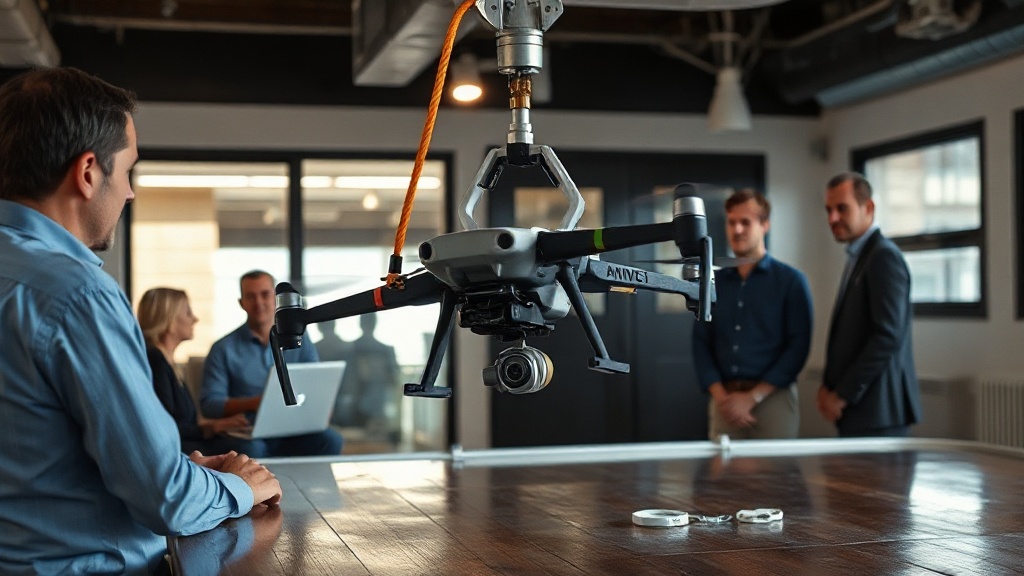
The WaiV recovery system is built upon several technological pillars. Central to its operation is a highly responsive robotic arm or capture mechanism. This arm is equipped with advanced grippers designed to securely hold various drone models without causing damage. The arm's movement is precisely controlled, allowing it to adapt to the vessel's motion and the drone's trajectory, even in choppy waters.
Guidance and navigation are facilitated by an array of sensors, including GPS, inertial measurement units (IMUs), and potentially lidar or sonar for close-proximity detection. Computer vision plays a crucial role, enabling the system to visually track the drone, identify its position and orientation, and make real-time adjustments to the capture maneuver. This multi-sensor fusion approach ensures robust performance across different environmental conditions.
Furthermore, the system incorporates intelligent control software that manages the entire recovery sequence. This software is capable of predictive path planning and collision avoidance, ensuring a safe and efficient docking process. The automation extends to the securing of the drone once captured, often involving a docking station that also facilitates battery charging and data offload, making the drone ready for its next mission with minimal human touch.
Impact on Maritime Operations
The implications of WaiV Robotics' technology are far-reaching for the maritime drone industry. By automating recovery, the company directly addresses a significant operational cost and safety concern. This increased efficiency and reduced risk are expected to accelerate the adoption of maritime drones for commercial and governmental applications.
For operators, this means reduced crew workload, fewer mission aborts due to recovery difficulties, and the ability to deploy drones more frequently and in more challenging environments. The time saved on recovery can be reinvested into mission planning and execution, leading to greater operational effectiveness. Moreover, the reduced risk of damage to expensive drone assets translates into substantial cost savings over the long term.
The technology also opens up new possibilities for drone deployment strategies. Drones could potentially be launched and recovered from smaller, less specialized vessels, or even from platforms that are not designed for complex manual recovery operations. This increased flexibility could democratize access to maritime drone capabilities, making them accessible to a wider range of organizations.
The Future of Maritime Autonomy
WaiV Robotics' advancement is a significant step towards greater autonomy in maritime operations. As drones become more capable and their integration into operational workflows deepens, seamless automated support systems like WaiV's become essential. This trend aligns with the broader movement towards unmanned systems in various sectors, where the ability to operate reliably and with minimal human intervention is paramount.
The success of WaiV Robotics' automated recovery system highlights a critical insight: true autonomy in complex environments requires not just self-operating vehicles, but also the infrastructure and support systems that enable their continuous and safe operation. As the technology matures, we can anticipate further innovations in areas such as long-range drone deployment, autonomous charging, and integrated fleet management, all contributing to a more robust and capable maritime drone ecosystem.
What remains to be seen is how easily WaiV's system can be adapted to the diverse range of drone sizes and designs currently in use, and whether standardization will emerge to facilitate interoperability across different drone manufacturers and recovery platforms.