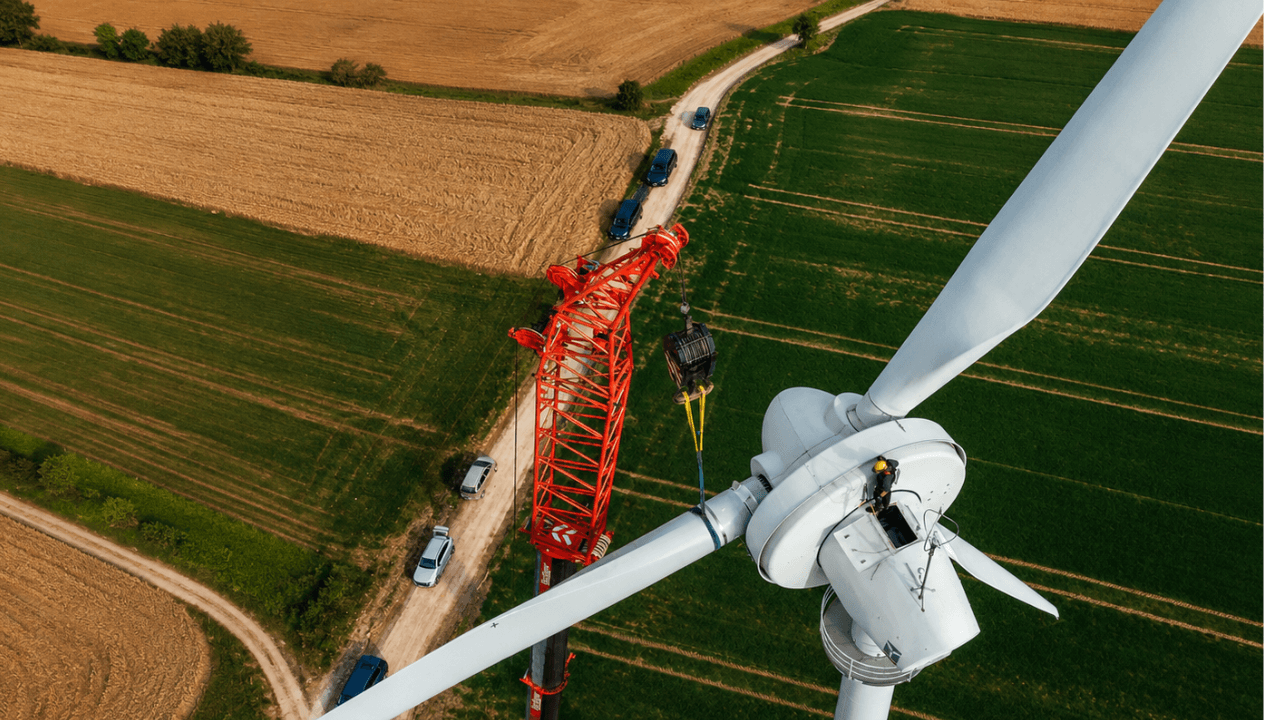
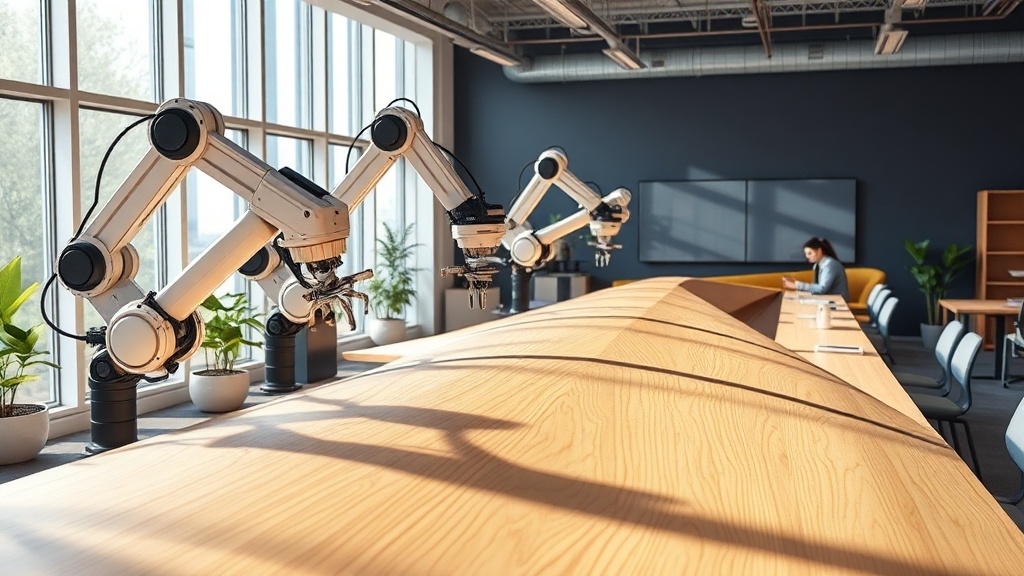
Developer ImpactDevelopers involved in wind energy simulation or structural analysis should begin incorporating wood as a viable material in their models. Expect new material property databases and design guidelines to emerge. The automation aspect may also lead to new opportunities in industrial robotics and control systems for manufacturing processes.
Security AnalysisWhile the primary focus is on sustainability, the introduction of new materials and automated manufacturing processes in a critical infrastructure component like wind turbine blades necessitates a review of potential new failure modes or security vulnerabilities in the production chain. Ensuring the integrity of automated systems and material supply chains will be paramount.
Founders TakeThis move signals a significant shift in the renewable energy supply chain, creating opportunities for companies specializing in sustainable materials, advanced manufacturing, and circular economy solutions. Founders looking to enter the wind energy sector should consider the growing demand for environmentally friendly components and the potential for cost efficiencies through automation.
Creators InsightsFor creators involved in the renewable energy sector or sustainability advocacy, this represents a compelling case study in industrial innovation. The visual and narrative potential of automated wood manufacturing for clean energy is significant, offering content opportunities around green tech, advanced manufacturing, and the future of sustainable infrastructure.
Data Science PerspectiveThe Voodin project will generate novel datasets related to the structural performance, durability, and manufacturing variability of large wooden wind turbine blades. This data will be invaluable for material scientists, engineers, and AI researchers aiming to develop more accurate predictive models for material behavior and optimize manufacturing processes.