
Vizard Agent: Consolidating Video Workflows with AI
The landscape of video creation and management is rapidly evolving, driven by advancements in artificial intelligence. Vizard Agent emerges as a significant contender, positioning itself as the first AI agent designed to handle the entire spectrum of video-related tasks. This ambitious platform seeks to streamline processes that traditionally involve multiple tools and specialized human expertise, from initial content generation to final analysis.
The core proposition of Vizard Agent is unification. Instead of juggling separate applications for scripting, recording, editing, subtitling, and performance tracking, users can theoretically access a single interface powered by AI. This promises to democratize video production, making sophisticated workflows accessible to a broader audience, including marketers, educators, and individual creators who may not have dedicated production teams.
At its heart, Vizard Agent functions as a versatile AI assistant. For content creators, this could mean generating video scripts based on simple prompts, automatically recording and editing talking-head videos, or even creating entirely new video assets from text or existing media. The platform's ability to handle "every kind of video" suggests a broad scope, encompassing everything from short social media clips to longer-form educational content and corporate communications.
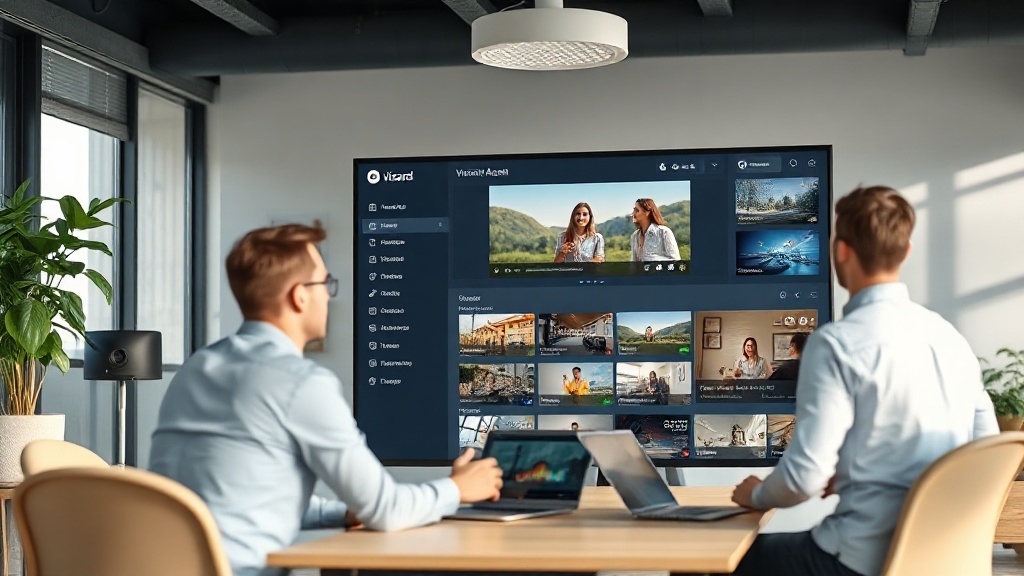
Key Features and Capabilities
Vizard Agent's architecture is built around a suite of AI modules, each addressing a specific aspect of video production. While details are still emerging, the platform appears to offer functionalities such as:
- AI-Powered Scriptwriting: Users can input topics or keywords, and the AI generates video scripts, complete with suggested pacing and visual cues.
- Automated Video Generation: Vizard Agent can reportedly turn text into video, or even repurpose existing content into new video formats, potentially creating summaries or highlight reels.
- Intelligent Editing: The agent can perform automated editing tasks, such as cutting out silences, removing filler words, and assembling B-roll footage based on script content.
- Advanced Subtitling and Translation: Accurate transcription and translation services are integrated, enabling content to reach a wider, multilingual audience.
- Performance Analytics: Post-production, the AI can analyze video performance, providing insights into audience engagement, retention, and key message delivery.
The platform's ambition to be a single solution for all video needs is a bold one. Historically, video AI tools have focused on niche applications, such as generating synthetic voiceovers, automatically transcribing footage, or creating simple animated explainers. Vizard Agent aims to be more comprehensive, acting as a central hub that orchestrates these capabilities and extends them to cover the entire content lifecycle.
The Broader AI Agent Ecosystem
Vizard Agent's emergence is part of a larger trend towards autonomous AI agents that can perform complex tasks with minimal human intervention. This follows the introduction of agent managers and frameworks that aim to orchestrate multiple AI models to achieve specific goals. While Vizard Agent focuses specifically on the video domain, its underlying philosophy of task consolidation is mirrored in tools like Agent Manager, which provides a general workflow for developing with AI agents across various applications.
The success of such platforms hinges on their ability to integrate diverse AI capabilities seamlessly and to provide reliable, high-quality output. For Vizard Agent, this means not only generating visually appealing and coherent videos but also ensuring that the AI's understanding of context, tone, and audience is sophisticated enough to produce effective content. The challenge lies in moving beyond simple automation to genuine intelligent assistance that augments human creativity rather than merely replicating it.
The potential impact on content creation workflows is substantial. For businesses, it could mean a drastic reduction in the time and cost associated with producing marketing materials, training videos, and internal communications. For individual creators, it could lower the barrier to entry for producing professional-quality video content, allowing them to focus more on their message and less on the technical complexities of production.
Unanswered Questions and Future Directions
While Vizard Agent presents a compelling vision, several questions remain about its practical implementation and long-term viability. How effectively can a single AI agent truly master the nuanced art of video storytelling across all genres? Will the generated content possess the originality and emotional resonance that human creators bring? Furthermore, the rapid pace of AI development means that any platform must be continuously updated to remain competitive.
The integration of such powerful AI tools also raises ethical considerations, particularly around the potential for misuse in generating deepfakes or misleading content. As Vizard Agent matures, its developers will need to address these concerns transparently and implement safeguards where appropriate.
Looking ahead, Vizard Agent's success will likely depend on its ability to adapt to user feedback, continuously improve its AI models, and integrate with other essential tools in the creator's ecosystem. If it can deliver on its promise of a unified, intelligent video workflow, it could fundamentally change how content is produced and consumed.