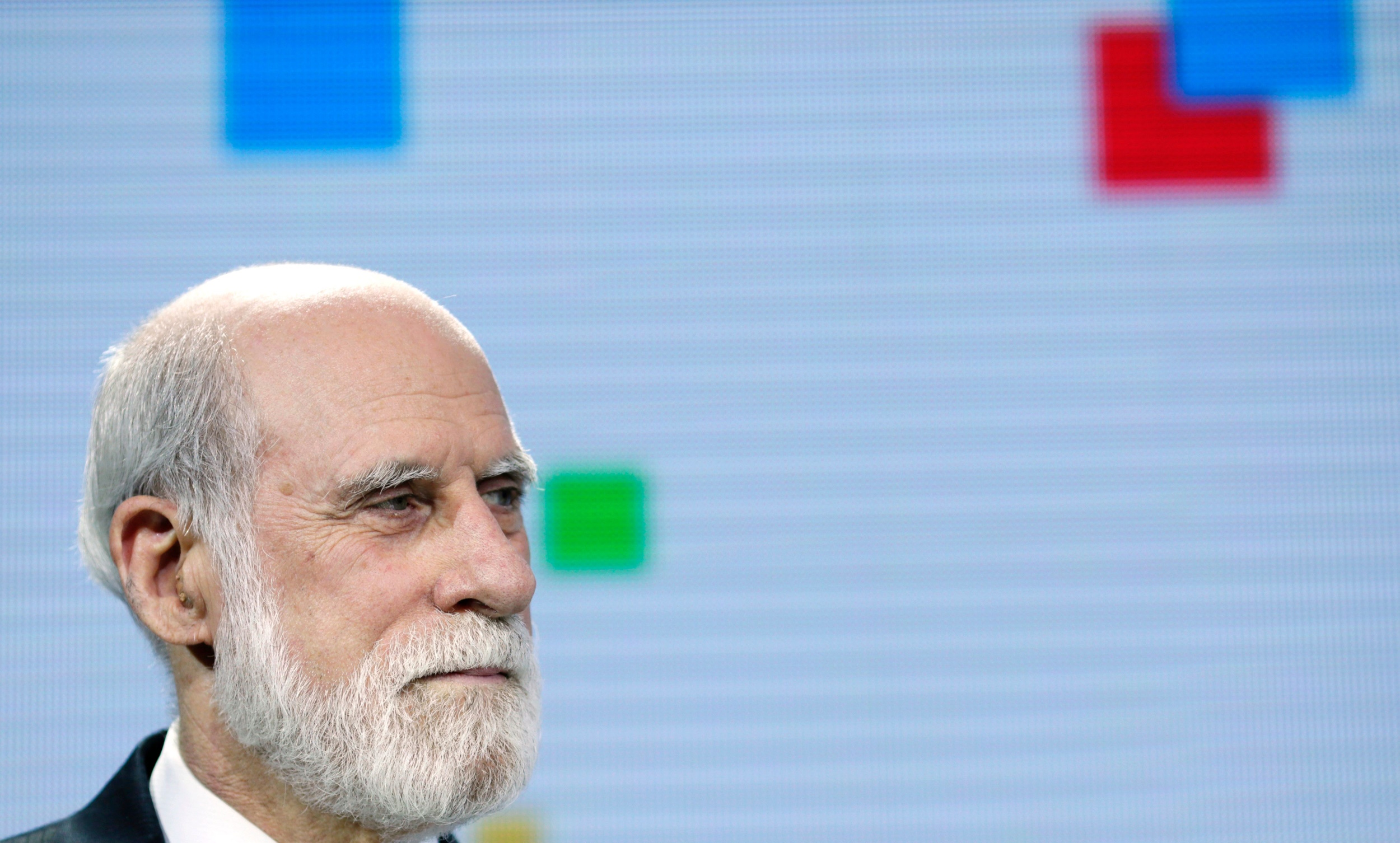
The Internet's Architect Tackles AI Identity
Vint Cerf, a pivotal figure in the creation of the internet as we know it, is now turning his attention to a pressing challenge posed by the rapid proliferation of artificial intelligence: distinguishing AI agents from human users across the vast expanse of the open internet. This initiative, still in its early stages, aims to establish a foundational standard for AI agent identification, a critical step towards a more transparent and manageable digital ecosystem.
The core problem Cerf and his collaborators are addressing is the increasing difficulty in discerning whether an online entity is a human or an AI. As AI models become more sophisticated, their ability to mimic human communication and behavior grows, blurring the lines. This ambiguity has significant implications for everything from cybersecurity and misinformation campaigns to the integrity of online interactions and the very fabric of digital trust.
Cerf, often hailed as one of the 'fathers of the internet' for his co-design of the TCP/IP protocols, understands the foundational nature of such standards. Just as TCP/IP provided the universal language for machines to communicate, a new standard is needed for AI agents to be identified. The goal is not to restrict AI but to provide a mechanism for transparency, allowing systems and users to know when they are interacting with an automated entity.
The proposed framework is envisioned as a way to imbue AI agents with a form of digital identity. This identity would not necessarily reveal the agent's specific purpose or capabilities but would confirm its non-human nature. Think of it less like a passport that details your profession and more like a universally recognized symbol on a package that clearly states 'Contains Machine-Generated Content.' This simple declaration can fundamentally alter how users and systems process the information or interaction that follows.
Why Identification Matters for the Open Internet
The implications of unchecked AI agents operating anonymously are far-reaching. Without a clear way to identify them, AI could be used to:
- Amplify misinformation and propaganda at an unprecedented scale, overwhelming human fact-checking efforts.
- Conduct sophisticated phishing and social engineering attacks that are indistinguishable from human interactions.
- Manipulate online markets, discussions, and public opinion through coordinated, automated activity.
- Overload systems with bot traffic, impacting service availability and performance.
Cerf's initiative seeks to provide a countermeasure by enabling systems to recognize and potentially filter or flag AI-generated content or interactions. This is crucial for maintaining the integrity of online discourse and ensuring that users can make informed decisions about the information they consume and the entities they engage with.
The development of such a standard is a complex undertaking. It requires consensus among a wide range of stakeholders, including AI developers, platform operators, cybersecurity experts, and policymakers. The technical implementation could involve cryptographic methods, digital signatures, or metadata embedded within AI-generated outputs. The challenge lies in creating a system that is robust, difficult to spoof, and adaptable to the rapidly evolving AI landscape.
One of the key considerations is ensuring that the identification mechanism does not stifle innovation or create undue burdens on AI development. The standard must be lightweight enough to be adopted by a wide array of AI agents, from simple chatbots to complex autonomous systems. It also needs to be designed with privacy in mind, avoiding the creation of a surveillance infrastructure that tracks every AI's activity.
The Road Ahead: From Concept to Implementation
While the specifics of the standard are still being hammered out, the underlying principle is clear: transparency in AI interactions. Cerf's involvement lends significant weight to this effort, drawing on his deep understanding of internet architecture and his commitment to an open, accessible, and functional digital world.
The development process will likely involve extensive research, public consultation, and pilot testing. It's a marathon, not a sprint, and success will depend on broad industry collaboration. The technical hurdles are considerable, but the potential benefits – a more trustworthy internet – make the endeavor essential.
What nobody has addressed yet is what happens to the thousands of AI models currently operating without any form of identification. Will there be a grace period? What mechanisms will be in place to audit and certify existing AI agents? These are questions that will need to be answered as Cerf's plan moves from concept to a tangible standard.
Cerf's vision is not about controlling AI, but about enabling a more informed and secure digital commons. By providing a way to identify AI agents, he aims to equip the internet with a crucial tool for navigating the complexities of an AI-infused future, ensuring that the open internet remains a space for human connection and verifiable information.