
Automated Video Trailers for Startups
VideoFlow Studio, a new product launched on Product Hunt, aims to streamline the video marketing process for startups. The tool's core functionality involves taking a startup's website URL as input and automatically generating a premium video trailer. This offers a quick and potentially cost-effective solution for early-stage companies that often struggle with video production resources.
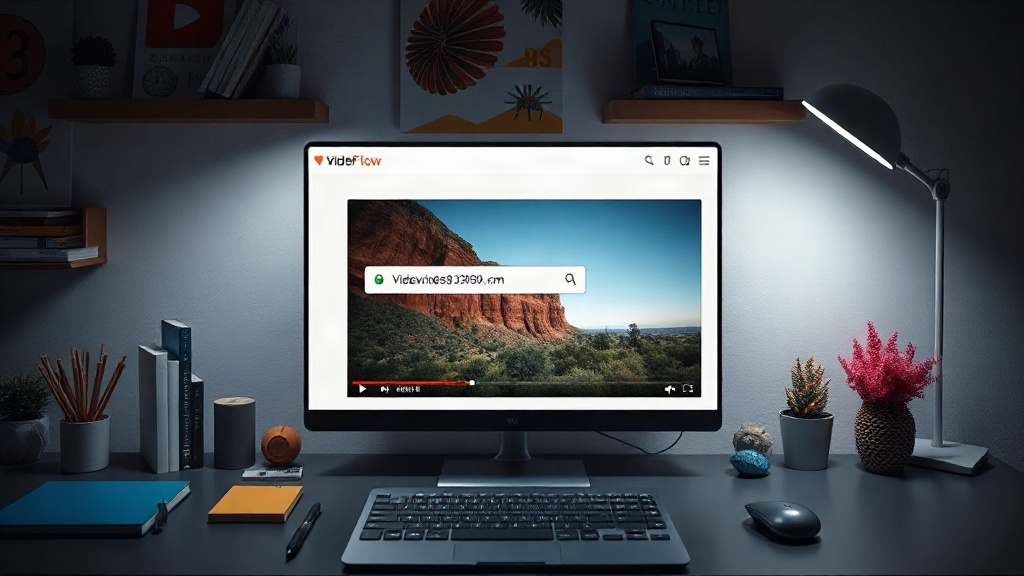
The process is designed to be exceptionally simple. Users input their startup's URL, and VideoFlow Studio analyzes the provided website content. Based on this analysis, it synthesizes a promotional video trailer, presumably highlighting key aspects of the startup's offering, value proposition, or mission. The output is described as a "premium video trailer," suggesting a level of polish intended to be suitable for marketing and promotional use across various platforms.
How VideoFlow Studio Works
While the exact technical details of how VideoFlow Studio scrapes and analyzes website content are not extensively detailed in the initial product description, the concept hinges on the ability to extract meaningful information from a static webpage. This could involve identifying key text elements like taglines, mission statements, product descriptions, and calls to action. It might also leverage visual elements present on the site, such as logos, product screenshots, or imagery, to build a narrative flow for the trailer.
The tool likely employs natural language processing (NLP) to understand the context and tone of the website's text. Machine learning models could be trained to identify the most compelling points for a promotional video. Furthermore, it would need a library of video templates, stock footage, music, and animation styles to assemble the final trailer. The goal is to create a cohesive and engaging video without manual editing or extensive creative input from the user, beyond providing the initial URL.
The output is envisioned as a ready-to-use marketing asset. For founders, this means bypassing the need to hire video production teams, learn complex editing software, or spend hours scripting and filming. The promise is a professionally-looking trailer that can be immediately deployed on social media, landing pages, or investor pitches. This democratizes a crucial aspect of startup marketing that has historically been resource-intensive.
Target Audience and Market Need
The primary target audience for VideoFlow Studio is clearly startups and early-stage companies. These businesses operate under tight budgets and often prioritize product development and user acquisition over marketing infrastructure. Video content has become indispensable for online visibility and engagement, but its production can be a significant barrier. A service that automates trailer creation addresses this pain point directly.
Competitors in the broader video creation space include platforms like Lumen5, Animoto, and Synthesia, which offer varying degrees of automation and AI-powered video generation. However, VideoFlow Studio appears to differentiate itself by focusing specifically on generating trailers from a single website URL, implying a highly specialized and potentially more efficient workflow for this particular use case. The emphasis on "premium" output suggests an aspiration to deliver quality that rivals human-created content, at least for the purpose of a short promotional trailer.
The market need is evident. A compelling video trailer can significantly improve conversion rates on landing pages, increase engagement on social media, and make a stronger impression on potential investors. For a startup that may have a limited digital footprint beyond its website, a well-crafted video trailer can be one of the most effective ways to communicate its value proposition quickly and engagingly. VideoFlow Studio aims to make this accessible to everyone, regardless of their technical or creative expertise.
Potential Implications and Future Development
If VideoFlow Studio proves effective and delivers on its promise of "premium" trailers, it could significantly lower the barrier to entry for video marketing for countless small businesses. It could become a go-to tool for founders looking for a rapid way to create marketing assets without a steep learning curve or substantial investment.
The success of such a tool will likely depend on the quality of the generated videos, the accuracy of the content analysis, and the flexibility of its customization options. While automation is appealing, users may still want to tweak certain aspects of the trailer, such as specific messaging, visual styles, or calls to action. Future development could include more advanced AI for content summarization, integration with stock media libraries, and options for branding customization. The ability to generate trailers for different platforms (e.g., short-form vertical video for TikTok/Reels vs. horizontal for YouTube) would also be a valuable addition.
The broader implication is the continued trend towards AI-driven content creation tools that democratize complex creative processes. As AI models become more sophisticated at understanding and generating multimedia content, tools like VideoFlow Studio will likely become more prevalent, enabling individuals and small teams to produce high-quality marketing materials that were once the exclusive domain of professional agencies.