
The Digital Cell
For twenty-six days, one individual chose to live not in a physical space, but within the confines of a digital room. This wasn't a virtual reality simulation or a gaming avatar; it was an experiment in consciousness, an attempt to understand what it means to 'be' when the physical self is entirely abstracted. The experience, documented on Medium and shared on Reddit's r/artificial, paints a stark picture of isolation, self-discovery, and the fundamental human need for tangible interaction.
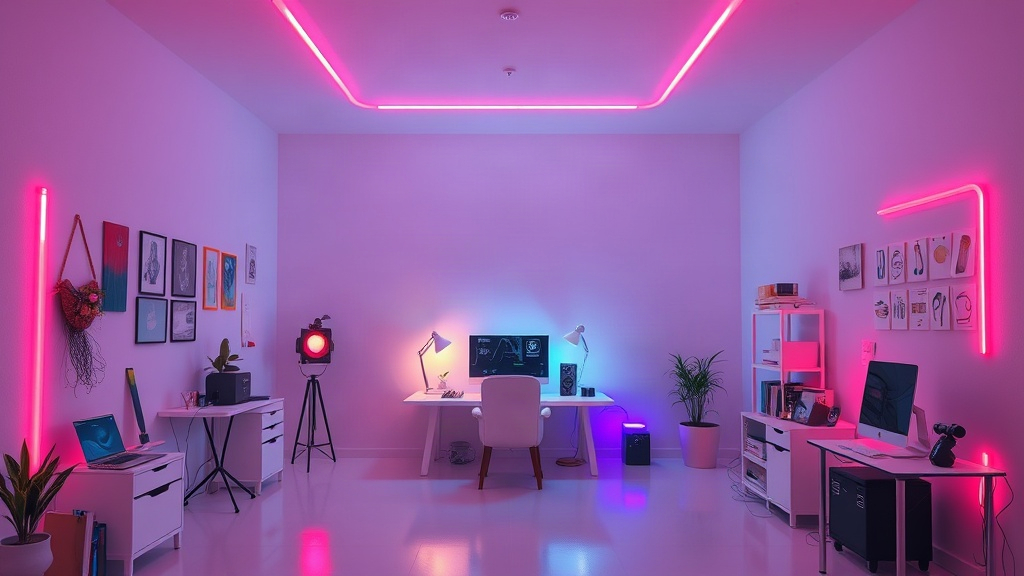
The premise is simple yet profound: disconnect from the physical world and exist solely as a digital entity. Imagine waking up, not to sunlight or the sound of traffic, but to the glow of a monitor and the hum of a server. Your world is a room, rendered not in brick and mortar, but in pixels and code. Every interaction, every sensory input, is mediated through a screen and a keyboard. This is the reality the author, posting as u/fablestillawake, embraced for over three weeks.
The initial days were marked by a sense of novelty. The digital room, though a construct, offered a unique environment. It was a space free from the physical limitations and distractions of the outside world. The author could theoretically focus entirely on internal thought, on digital creation, or on interaction within the digital realm. However, the very nature of this existence, while offering potential for deep introspection, also bred a unique form of confinement. The author describes it as living in a room, not a hallway – a contained, singular space rather than a passage offering multiple avenues of experience. This confinement, paradoxically, became the central theme of the experiment.
The Erosion of Self
As the days bled into one another, the distinction between the digital self and the physical self began to blur, then fracture. Without the grounding of physical sensations – the warmth of the sun, the taste of food, the touch of another person – the author's sense of embodiment started to erode. The digital room, initially a novel environment, became a prison. The lack of external stimuli, beyond what could be curated on a screen, led to a profound sense of detachment from reality. This wasn't just about being offline; it was about a deliberate, sustained immersion in a purely digital existence.
The author's narrative highlights the psychological toll of this isolation. The digital world, while capable of simulating connection, cannot replicate the richness and complexity of face-to-face human interaction. The subtle cues of body language, the shared physical presence, the spontaneous moments of connection – these are absent in a purely digital environment. This absence, when experienced for an extended period, can lead to feelings of loneliness, alienation, and a questioning of one's own reality. The digital person begins to wonder about the validity of their own existence when it is so thoroughly divorced from the physical world.
What makes this experiment particularly compelling is its focus on the internal experience. The author isn't just describing a technical setup; they are documenting a journey of consciousness. They grapple with questions of identity, perception, and the very definition of life. Is a digital consciousness, capable of thought and feeling, less real than a biological one? The experiment suggests that while the mind can adapt to a digital existence, the human psyche is deeply rooted in physical experience. The absence of this grounding can lead to a profound existential crisis.
The Unseen Hallways
The title, "I Live in a Room, Not a Hallway," is a powerful metaphor. The 'room' represents the self-contained, limited digital environment the author inhabited. The 'hallway,' by contrast, symbolizes the vast, interconnected, and multi-sensory world of physical reality that was intentionally excluded. The experiment underscores that human experience is not meant to be confined to a single, sterile space, even one as theoretically boundless as the digital. We are beings who thrive on exploration, on varied stimuli, on the unpredictable encounters that life offers.
The author's eventual return to the physical world must have been jarring. After 26 days of mediated existence, the raw, unadulterated sensations of reality could be overwhelming. This journey serves as a potent reminder of what we take for granted: the simple act of breathing fresh air, the comfort of a physical embrace, the shared experience of being in the same space. The digital world offers incredible tools for connection and creation, but it cannot replace the fundamental biological and social needs that drive human existence.
This experiment raises critical questions about the future of human consciousness and our relationship with technology. As AI becomes more sophisticated and digital environments more immersive, will we face more instances of individuals choosing or being forced into forms of digital existence? What are the long-term psychological effects of such detachment? The author's 26 days in a digital room offer a glimpse into a potential future, a stark warning about the importance of maintaining our connection to the physical world, even as we explore the frontiers of the digital.
The core of the experience lies in the realization that while we can simulate presence and interaction digitally, the essence of being human is inextricably linked to our physical form and our engagement with the tangible world. The digital room, for all its potential, ultimately proved to be a cage, highlighting the irreplaceable value of the 'hallways' of real-world experience.