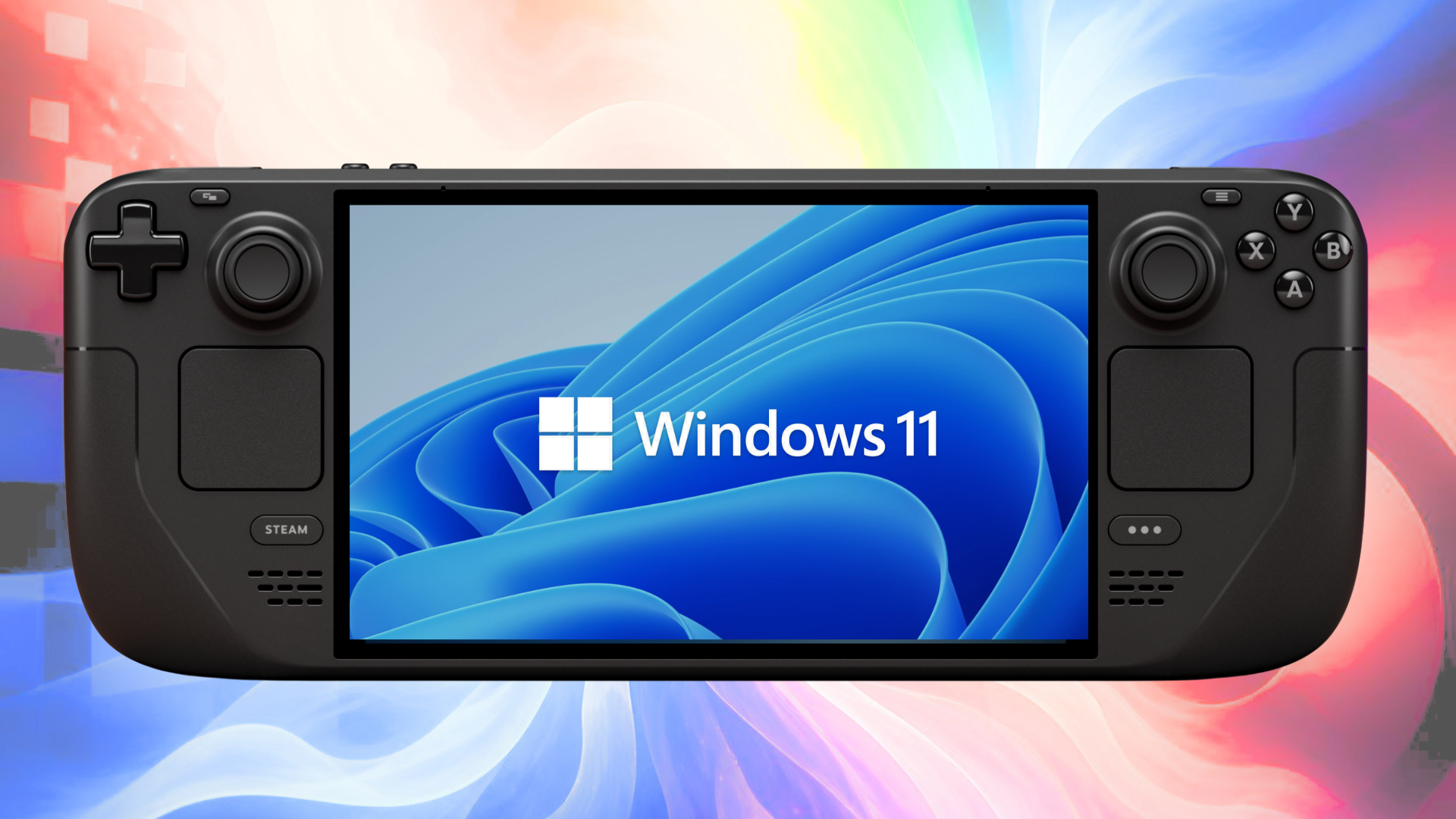
Valve's Stance on Windows on Steam Hardware
Valve, the gaming giant behind Steam, has released drivers and accompanying notes designed to facilitate the installation and operation of Windows on its dedicated hardware, including the Steam Deck and Steam Machine. This move, while seemingly beneficial for users who prefer Windows over SteamOS for their gaming devices, comes with a significant caveat: Valve will not offer any official customer support for Windows installations on its hardware. The company's official stance is that it does not provide support for 'Windows on Steam Hardware,' a clear delineation of its responsibilities.
Instead of offering direct troubleshooting for Windows-related issues, Valve directs users facing problems to the existing SteamOS recovery instructions. This implies that while Valve is providing the necessary components to make Windows functional, users are entirely on their own if they encounter difficulties. This approach places the onus of support squarely on the end-user or the broader Windows community, rather than on Valve's dedicated support channels.
The release of these drivers is a pragmatic step. It acknowledges the desire of a segment of its user base to run Windows on devices designed primarily for SteamOS. The Steam Deck, in particular, has proven to be a versatile piece of hardware, and many users have experimented with installing Windows to access a wider range of games and applications not natively supported by Linux-based SteamOS. The drivers aim to smooth out some of the compatibility hurdles, such as those related to graphics, audio, and input devices, which are often the primary blockers when attempting to install an alternative operating system.
Technical Resources Provided
The resources provided by Valve are intended to bridge the gap between Windows and the specific hardware components of the Steam Deck and Steam Machine. This includes specific drivers that are tailored to the unique architecture and peripherals of these devices. For instance, the Steam Deck utilizes an AMD APU, and ensuring that Windows can properly communicate with its integrated graphics and other system components requires specific driver software. Valve's release suggests they have developed or curated these drivers to achieve a baseline level of functionality for Windows users.
Accompanying these drivers are notes that likely detail installation procedures, known issues, and potential workarounds. This documentation is crucial for users embarking on the process of installing Windows, as it can often be a complex undertaking, especially for those less familiar with operating system installation and driver management. The fact that Valve is providing these resources at all indicates a level of tacit acknowledgment of the Windows user base, even without offering direct support. It's akin to a car manufacturer providing the schematics for a specific engine part to a third-party mechanic, but not guaranteeing the mechanic's work or offering roadside assistance if the repair fails.
Why No Official Support?
Valve's decision to withhold official support for Windows installations is understandable from a business and operational perspective. Supporting multiple operating systems on proprietary hardware would significantly increase the complexity and cost of their customer service operations. Each operating system brings its own set of potential issues, driver conflicts, and user expectations. By sticking to SteamOS, Valve can focus its resources on optimizing the user experience for its intended platform, ensuring a consistent and predictable environment for the majority of its users.
Furthermore, Valve's core business revolves around the Steam platform and its ecosystem, which is natively built and optimized for Linux. While they have made strides in improving Linux gaming performance and compatibility through initiatives like Proton, Windows remains the dominant operating system in the PC gaming market. Providing support for Windows on their hardware could inadvertently cannibalize their efforts to promote and improve SteamOS and Proton, or dilute their focus on their primary development targets.
The company's communication strategy is direct: they are providing the tools, but the responsibility for their successful implementation and ongoing maintenance lies with the user. This is a common approach in the open-source community and for hardware that supports multiple operating systems, but it's less common for a company to offer hardware and then explicitly disclaim support for a popular alternative OS. This stance might frustrate some users who expect a more comprehensive 'Windows on Steam' experience, but it sets clear expectations from the outset. Users who choose to install Windows are essentially opting into a community-supported or self-supported environment.
Implications for Users and the Ecosystem
For users who have already installed or plan to install Windows on their Steam Deck or Steam Machine, these drivers are a welcome development. They represent an effort by Valve to ensure better hardware compatibility, which can lead to improved performance and stability for games and applications running under Windows. This makes the prospect of dual-booting or fully switching to Windows a more viable option for those who need it, perhaps for specific game compatibility or software requirements not met by Linux.
However, the lack of official support means that users must be prepared to troubleshoot independently. This could involve searching online forums, consulting community-developed guides, or relying on the goodwill of other users who have encountered and solved similar problems. The SteamOS recovery partition remains the official fallback, but it won't help a user whose Windows installation is experiencing critical issues.
This situation also highlights a broader trend in the gaming hardware market. As devices become more powerful and versatile, users increasingly seek flexibility in their operating system choices. Valve's approach, while restrictive in terms of support, offers a middle ground: enabling functionality without committing to the full burden of supporting an alternative ecosystem. It allows Valve to cater to a niche but vocal user segment while maintaining its focus on its core Linux-based gaming platform. The question remains whether this 'as is' provision will be sufficient for widespread adoption of Windows on Valve's hardware, or if the lack of support will ultimately deter many potential users.