
Introducing uwait: Monetizing AI Processing Time
The artificial intelligence landscape is rapidly evolving, with new tools and platforms emerging daily. Among these, a novel service called uwait is capturing attention by addressing a common pain point: the time spent waiting for AI tasks to complete. uwait's core proposition is simple yet disruptive: get paid while AI thinks. This model fundamentally shifts the user-AI interaction from a passive waiting game to an active, potentially rewarding experience.
Typically, when a user submits a request to an AI service—whether it's generating an image, writing code, or analyzing data—they are left to wait. This idle time represents a lost opportunity. uwait aims to reclaim that time by compensating users for it. The platform acts as an intermediary, managing AI task queues and rewarding users for the duration of the processing period. This concept is particularly relevant as AI models become more complex, often requiring significant computational resources and, consequently, longer processing times.
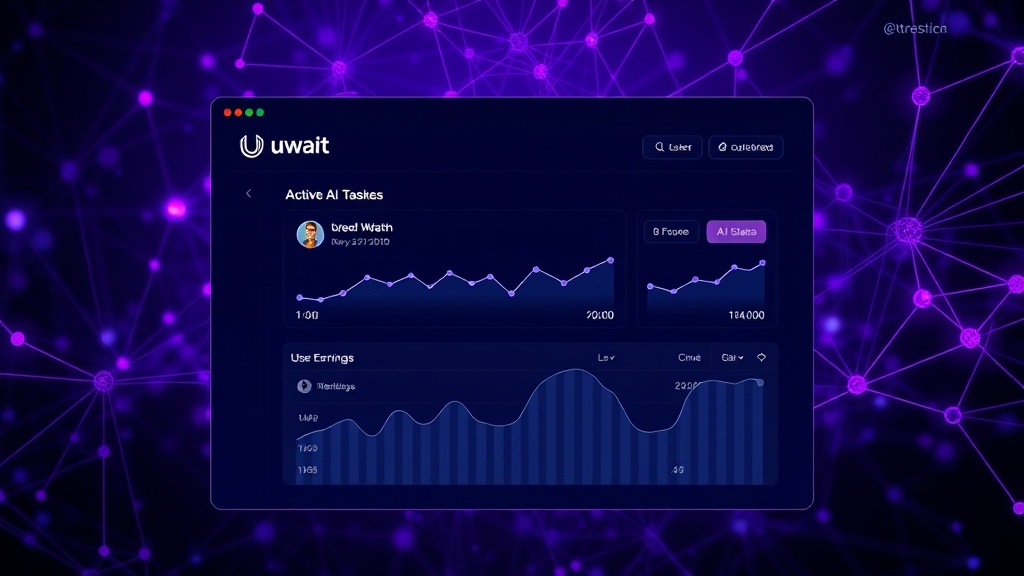
How uwait Works: The Monetization Mechanism
While the exact details of uwait's financial model are proprietary, the premise involves leveraging the value of user attention and the processing time itself. One plausible mechanism is that uwait aggregates user requests and, by doing so, can negotiate bulk processing rates or utilize its own dedicated infrastructure. The revenue generated from these AI services, or from partnerships with AI providers, is then partially distributed to users who are actively waiting for their tasks to finish.
Imagine submitting a complex image generation request. Instead of staring at a loading bar, uwait could present you with short surveys, engaging micro-tasks, or even targeted advertisements. Completing these activities earns you credits or direct monetary compensation. The longer your AI task takes, the more opportunities you have to earn. This turns a passive waiting period into a productive or even profitable one. This approach is conceptually similar to how some platforms reward users for sharing their computing power or for participating in distributed computing projects, but uwait focuses specifically on the downtime inherent in AI task execution.
The platform likely employs a sophisticated queuing system. Users submit their AI requests, which are then placed in a queue managed by uwait. As the AI processes these requests, the associated user's timer starts. During this time, the user is presented with various engagement opportunities. The system must balance the efficiency of AI processing with the user's earning potential, ensuring that the AI tasks are not intentionally slowed down to maximize user engagement, which would defeat the primary purpose of the AI service itself.
The Broader Implications for AI Interaction
uwait's model addresses a fundamental friction point in the current AI user experience. As AI becomes more integrated into daily workflows, the efficiency of these interactions becomes paramount. By monetizing the waiting time, uwait not only provides a financial incentive for users but also potentially smooths out the user experience, making AI tools feel less like black boxes with unpredictable wait times and more like interactive partners.
This could have significant implications for how AI services are perceived and adopted. For individuals, it offers a tangible benefit for using AI tools, potentially lowering the barrier to entry for those who might be hesitant about the time investment. For businesses, it could represent a new way to engage users or to offset the costs associated with AI processing. The success of this model hinges on its ability to provide genuinely valuable engagement opportunities without compromising the primary AI task completion time or the quality of the AI output. If uwait can achieve this balance, it could set a new standard for AI service design.
Challenges and Future Potential
The primary challenge for uwait lies in its economic sustainability. It must generate enough revenue from its AI partnerships or its own service offerings to compensate users adequately. This requires careful management of AI processing costs, user engagement metrics, and the overall value proposition. If the compensation offered is too low, users may not find it worthwhile. If it's too high, the model may become unsustainable.
Furthermore, the nature of the engagement tasks offered to users is critical. These tasks must be engaging enough to retain users during potentially long waits, but also efficient enough that they don't detract from the user's overall productivity or experience. Finding this sweet spot is a delicate act. The platform also needs to ensure transparency in its processes, clearly communicating how users earn and how AI tasks are being managed to avoid any perception of manipulation.
Despite these challenges, the concept of monetizing AI processing time is innovative. It taps into the growing creator economy and the gig economy, offering a new avenue for users to earn passive income. As AI technology continues to advance and its integration into our lives deepens, solutions like uwait that optimize the user experience and create value from downtime could become increasingly important. The company's success will depend on its ability to execute this vision effectively, build trust with its user base, and forge strong partnerships within the AI ecosystem.